
2,551 words, 13 minutes read time.
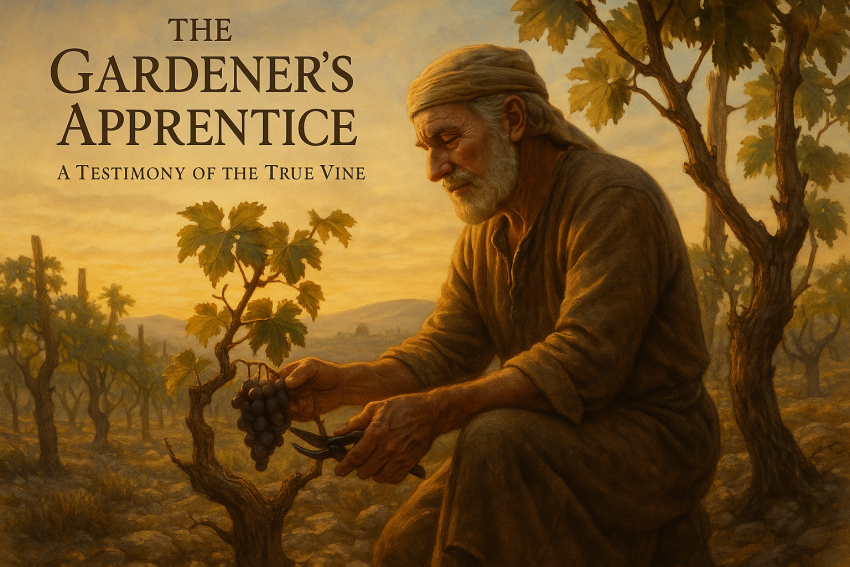
I have lived long enough to see vineyards rise and fall, branches cut and burned, and men—strong men—broken by the weight of their own pride. My name is Eliab, son of Joram, born among the terraces of Bethphage, where the stones remember every foot that has ever labored to make something grow in hard soil. My hands have never been soft. My back has never been straight. And for most of my life, I thought those things made me strong.
In the days of my youth, I worked the vineyards east of Jerusalem. The land was dry and stubborn, and so were we. We bent our backs before dawn, hauling water from cisterns, pruning branches with dull blades, and cursing the sun that bleached our skin. But the vines grew, and we took pride in that. Each man could tell which branches were his, which ones bore the fattest clusters. Our worth was in the fruit we could show others. And in those days, that was enough.
I was not a religious man. I knew the Scriptures—everyone did—but I knew them like I knew the shape of a stone: familiar, unchanging, something I could step on or throw when needed. The priests spoke of the Lord as a gardener who tended His people, and I suppose that made sense. But I had no patience for invisible gardeners. I had blisters and cracked fingernails and rent to pay to men who had never dirtied their sandals. My god was my labor. My faith was my strength.
Then came the Rabbi.
t was early spring, the time when the branches begin to bleed if you cut too deep. The vineyard owner, a merchant from Galilee, had hired me to repair the trellis near a grove of olive trees not far from the road to the Mount of Olives. It was quiet work—good work—and I liked the solitude. That morning, though, I heard voices coming up the hill. A small group of men, dusty from travel. One of them—taller, broader—walked in front. The others followed as if drawn by gravity.
They stopped under the shade of the vines. The tall one spoke, and I knew instantly he was a teacher. His voice was steady, not loud but alive, like water running over stone. I remember the moment his eyes met mine. He smiled. Just that—no greeting, no question. But somehow that single glance felt like sunlight breaking through the leaves. He turned back to his followers and said:
“I am the true vine, and my Father is the gardener. Every branch in me that does not bear fruit He takes away, and every branch that does bear fruit He prunes, that it may bear more.”
The words stung me. I had spent my whole life pruning, cutting, deciding which branch would live or die. But I had never once considered that I might be a branch myself. The men around him listened intently, nodding, questioning, struggling to understand. I kept working, pretending not to listen—but every word landed in the soil of my heart like seed.
He went on:
“Abide in me, and I in you. As the branch cannot bear fruit by itself, unless it abides in the vine, neither can you, unless you abide in me.”
I paused. My pruning knife slipped and nicked my thumb, a thin line of blood against the wood. A branch cannot bear fruit by itself. I knew that truth in the vines but not in myself. I had spent years building, earning, proving. If my vines grew, it was because I worked harder than anyone else. If my life bore anything worth seeing, it was because I made it so.
But this Rabbi—this Jesus—was saying something different. He was saying my strength wasn’t strength at all. He was saying the fruit didn’t belong to me.
That night, I couldn’t sleep. I sat beneath the trellis and watched the moonlight on the leaves. The air smelled of earth and sap and smoke from distant cooking fires. I could still hear His words echoing: “Abide in me.”
What did it mean? How does a man abide in another?
The next day, I asked around. Some said the Rabbi was dangerous, that he spoke against the priests. Others said he healed the blind and raised the dead. I didn’t know what to believe. But I couldn’t shake the look in his eyes—steady, merciful, unafraid.
A week later, news spread that He had been arrested. Then came the whispers of His death. Crucified, they said, like a criminal. I felt an ache deep inside, a kind of grief I couldn’t name. For days, I avoided the vineyard. It felt wrong to cut living things while the memory of that man still breathed in my chest.
Then, on the third day, rumors began—wild, impossible rumors—that He was alive.
Years passed. The Romans tightened their grip on Jerusalem. Work grew scarce. I lost the vineyard I tended when the owner’s son sold the land to pay debts. My hands grew idle, and my pride soured. Without work, I didn’t know who I was. I began to drink, to fight, to curse the God I’d once ignored.
But one evening, as I stumbled through the market, I heard a familiar voice reading aloud. It was one of His followers—John, they called him. He spoke of the Vine again, of life flowing from the Son of God into all who believed.
Something in me broke. I pushed through the crowd and listened. John’s face glowed as he spoke, and I knew—he had seen what I had seen, but he had abided. I had walked away.
That night I fell to my knees and prayed for the first time since I was a child. I told God the truth. That I was empty. That I was angry. That I didn’t know how to fix myself. And in that surrender, I felt something stir. Not a vision, not a voice—just a quiet knowing. I was not meant to be the vine. I was the branch.
It took years for that truth to take root. I found work again, this time tending a small vineyard owned by a widow who used the profits to feed the poor. She paid me little, but I stayed. The vines grew better than any I’d ever managed before—not because I worked harder, but because I worked different. I stopped forcing growth. I listened to the soil, the rain, the rhythm of the seasons. I pruned with patience. I learned when to cut and when to wait.
One day, as I worked, the widow came out to bring me bread. She watched me pruning and said softly, “You treat those vines like sons.”
I smiled. “They’re not mine,” I said. “They belong to the Gardener.”
Now I am an old man. My hands shake when I hold the knife, and I can’t climb the terraces anymore. So I speak instead. I tell the young men who visit my vineyard what I learned the hard way: that a man can break himself trying to grow without the Vine.
When I meet them—fishermen, merchants, soldiers, fathers—they all say the same things I once said. “I’m fine.” “I can handle it.” “I don’t need help.” I hear the same fear in their voices that once filled mine: the fear of being weak, of being seen.
But fruit doesn’t grow on pretenders. It grows on branches that stay connected when the pruning knife comes.
When I tell them this, I see something change in their faces. Some look away. Some nod. Some weep. I tell them what the Rabbi told me that day under the vines:
“Apart from Me, you can do nothing.”
And then I tell them what He didn’t say—but what every gardener knows. That the branch doesn’t fight the pruning. It doesn’t flinch when the blade comes. It trusts the hand that holds it.
That is what it means to be a man. To stop fighting the Gardener.
That night, I couldn’t sleep. I sat beneath the trellis and watched the moonlight on the leaves. The air smelled of earth and sap and smoke from distant cooking fires. I could still hear His words echoing: “Abide in me.”
What did it mean? How does a man abide in another?
The next day, I asked around. Some said the Rabbi was dangerous, that he spoke against the priests. Others said he healed the blind and raised the dead. I didn’t know what to believe. But I couldn’t shake the look in his eyes—steady, merciful, unafraid.
A week later, news spread that He had been arrested. Then came the whispers of His death. Crucified, they said, like a criminal. I felt an ache deep inside, a kind of grief I couldn’t name. For days, I avoided the vineyard. It felt wrong to cut living things while the memory of that man still breathed in my chest.
Then, on the third day, rumors began—wild, impossible rumors—that He was alive.
Years passed. The Romans tightened their grip on Jerusalem. Work grew scarce. I lost the vineyard I tended when the owner’s son sold the land to pay debts. My hands grew idle, and my pride soured. Without work, I didn’t know who I was. I began to drink, to fight, to curse the God I’d once ignored.
But one evening, as I stumbled through the market, I heard a familiar voice reading aloud. It was one of His followers—John, they called him. He spoke of the Vine again, of life flowing from the Son of God into all who believed.
Something in me broke. I pushed through the crowd and listened. John’s face glowed as he spoke, and I knew—he had seen what I had seen, but he had abided. I had walked away.
That night I fell to my knees and prayed for the first time since I was a child. I told God the truth. That I was empty. That I was angry. That I didn’t know how to fix myself. And in that surrender, I felt something stir. Not a vision, not a voice—just a quiet knowing. I was not meant to be the vine. I was the branch.
It took years for that truth to take root. I found work again, this time tending a small vineyard owned by a widow who used the profits to feed the poor. She paid me little, but I stayed. The vines grew better than any I’d ever managed before—not because I worked harder, but because I worked different. I stopped forcing growth. I listened to the soil, the rain, the rhythm of the seasons. I pruned with patience. I learned when to cut and when to wait.
One day, as I worked, the widow came out to bring me bread. She watched me pruning and said softly, “You treat those vines like sons.”
I smiled. “They’re not mine,” I said. “They belong to the Gardener.”
Now I am an old man. My hands shake when I hold the knife, and I can’t climb the terraces anymore. So I speak instead. I tell the young men who visit my vineyard what I learned the hard way: that a man can break himself trying to grow without the Vine.
When I meet them—fishermen, merchants, soldiers, fathers—they all say the same things I once said. “I’m fine.” “I can handle it.” “I don’t need help.” I hear the same fear in their voices that once filled mine: the fear of being weak, of being seen.
But fruit doesn’t grow on pretenders. It grows on branches that stay connected when the pruning knife comes.
When I tell them this, I see something change in their faces. Some look away. Some nod. Some weep. I tell them what the Rabbi told me that day under the vines:
“Apart from Me, you can do nothing.”
And then I tell them what He didn’t say—but what every gardener knows. That the branch doesn’t fight the pruning. It doesn’t flinch when the blade comes. It trusts the hand that holds it.
That is what it means to be a man. To stop fighting the Gardener.
Author’s Note
Stories like The Gardener’s Apprentice aren’t just ancient parables wrapped in poetic language — they are mirrors. When I wrote about Eliab’s struggle to let go of pride and self-reliance, I wasn’t just imagining a vineyard worker from centuries past. I was writing about myself, and probably about many of us. Men who know how to grind, build, fix, and survive — but who often forget how to rest, trust, and abide.
The truth of John 15 still prunes today. It cuts through the illusion that control equals strength. It reminds us that our worth isn’t measured by output, paycheck, or title — but by the life flowing through us when we stay connected to something greater than ourselves. Like Eliab, I’ve learned that the Gardener’s blade, though painful, is mercy in disguise.
To say that the government shutdown has entered Day 35 feels almost surreal. The odds are that I’ll miss my first paycheck this Friday, and I know I’m not alone. Thousands of men and women across this country — people who show up every day with quiet dedication — haven’t been paid since this began. The uncertainty, the waiting, the quiet fear that creeps in around the edges — it all feels a bit like pruning.
So I’m asking you to pray. Pray for every government worker trying to hold things together for their families. Pray for our leaders — that wisdom might rise above pride, and compassion above politics. And pray for peace in our country, that even in division and frustration, we might remember who truly sustains us.
Because in the end, it’s not our effort or our control that keeps life flowing. The branch doesn’t bear fruit by gritting its teeth. It bears fruit by abiding.
If this story struck a chord, don’t just scroll on. Join the brotherhood—men learning to build, not borrow, their strength. Subscribe for more stories like this, Drop a comment about where you’re growing, or Reach out tand tell me what you’re working toward. Let’s grow together.

Sources
- John 15:1–8 — The True Vine
- Isaiah 5:1–7 — The Vineyard of the Lord
- Psalm 80:8–19 — God’s Vineyard and Restoration
- Romans 11:17–24 — Grafted Branches
- Galatians 5:22–25 — The Fruit of the Spirit
- James 1:2–4 — Testing and Growth
- Hebrews 12:5–11 — The Discipline of the Father
- 2 Corinthians 12:9–10 — Strength in Weakness
- Matthew Henry Commentary — John 15
- David Guzik Commentary — John 15
- Desiring God — “Abide in Me” (John Piper)
- BibleProject — The Vineyard of the Lord (Video)
- GotQuestions.org — Jesus as the True Vine
- The Gospel Coalition — “Pruned to Bear More Fruit”
- Crossway — “Abiding in Christ: What It Means and How We Do It”
Disclaimer:
The views and opinions expressed in this post are solely those of the author. The information provided is based on personal research, experience, and understanding of the subject matter at the time of writing. Readers should consult relevant experts or authorities for specific guidance related to their unique situations.