
1,056 words, 6 minutes read time.
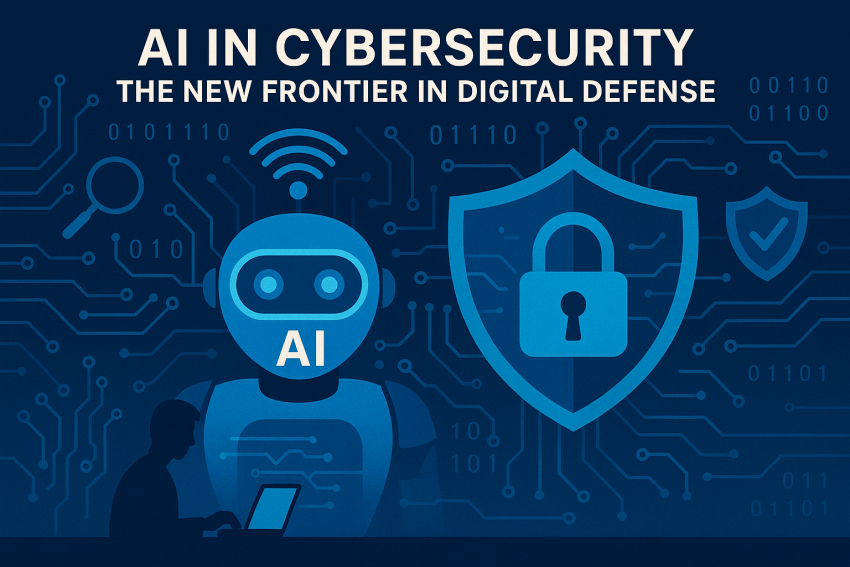
In the ever-evolving landscape of cybersecurity, Artificial Intelligence (AI) has emerged as both a formidable ally and a potential adversary. As cyber threats become increasingly sophisticated, AI offers unprecedented capabilities to enhance defense mechanisms. However, its dual-use nature also presents new challenges. This document delves into the transformative role of AI in cybersecurity, examining its applications, the emerging threats it poses, and the strategies to harness its potential responsibly.
The Rise of AI-Driven Cyber Threats
The integration of AI into cybersecurity has revolutionized threat detection and response. Machine learning algorithms can analyze vast amounts of data to identify patterns and anomalies, enabling quicker identification of potential threats. AI-driven systems can adapt to new attack vectors, learning from each interaction to improve their defensive capabilities.
However, this same adaptability makes AI a double-edged sword. Cybercriminals are leveraging AI to automate attacks, craft sophisticated phishing schemes, and exploit vulnerabilities at an unprecedented scale. The ability of AI to mimic human behavior and generate convincing content has lowered the barrier for cybercriminals, allowing even those with limited technical expertise to launch effective attacks.
Moreover, the rise of generative AI has introduced new challenges in cybersecurity. Tools like OpenAI’s GPT models can generate realistic text, code, and even voice, which malicious actors can exploit to deceive individuals and bypass traditional security measures. This evolution necessitates a reevaluation of existing defense strategies to counteract AI-powered threats effectively.
AI as a Cybersecurity Defender
Despite the threats, AI remains a powerful tool in the arsenal of cybersecurity professionals. AI enhances threat detection by analyzing network traffic, identifying unusual patterns, and predicting potential vulnerabilities. Its ability to process and interpret large datasets allows for real-time threat assessment and response, significantly reducing the time between detection and mitigation.
Furthermore, AI facilitates the automation of routine security tasks, such as patch management and system monitoring, freeing up human resources to focus on more complex issues. This automation not only improves efficiency but also ensures consistent application of security protocols across systems.
AI’s predictive capabilities also play a crucial role in proactive defense strategies. By analyzing historical data and identifying trends, AI can forecast potential attack vectors, allowing organizations to implement preventive measures before threats materialize.
Insider Threats in the Age of AI
While external threats are often the focus of cybersecurity efforts, insider threats pose a significant risk, especially in the context of AI. Employees or trusted individuals with access to sensitive information can misuse their privileges, intentionally or unintentionally compromising security.
AI can both mitigate and exacerbate insider threats. On one hand, AI systems can monitor user behavior, detect anomalies, and flag suspicious activities, providing an additional layer of security. On the other hand, insiders with knowledge of AI systems can exploit them to bypass security measures, making detection more challenging.
The complexity of AI systems also introduces new avenues for insider threats. For instance, employees with access to AI models can manipulate them to produce biased outcomes or leak confidential information. Therefore, safeguarding against insider threats in the age of AI requires a multifaceted approach, combining traditional security measures with AI-specific safeguards.
Best Practices for Implementing AI in Cybersecurity
To harness the benefits of AI while mitigating its risks, organizations must adopt best practices in AI implementation. This includes ensuring transparency in AI decision-making processes, maintaining robust data governance, and regularly auditing AI systems for compliance with security standards.
Additionally, organizations should invest in training their workforce to understand AI’s capabilities and limitations. This knowledge empowers employees to use AI tools effectively and recognize potential threats.
Collaboration between industry stakeholders is also essential. Sharing threat intelligence, developing standardized protocols, and engaging in joint training exercises can strengthen the collective defense against AI-powered cyber threats.
Future Trends and Challenges
The future of AI in cybersecurity is both promising and uncertain. As AI technologies continue to evolve, so too will the tactics of cyber adversaries. The integration of AI with other emerging technologies, such as quantum computing and blockchain, will introduce new complexities in the cybersecurity landscape.
One of the significant challenges is the ethical implications of AI in cybersecurity. Issues related to privacy, bias, and accountability must be addressed to ensure that AI systems are used responsibly and do not infringe upon individual rights.
Regulatory frameworks will play a crucial role in shaping the future of AI in cybersecurity. Governments and international bodies must collaborate to establish guidelines that promote innovation while safeguarding against potential abuses.
AI stands at the forefront of the battle against cyber threats, offering both unprecedented opportunities and significant challenges. Its role in cybersecurity is indispensable, but it requires careful implementation and continuous oversight. By adopting best practices, fostering collaboration, and addressing ethical considerations, organizations can leverage AI to build resilient and adaptive cybersecurity defenses.
As we navigate this new frontier, it is essential to remain vigilant and proactive, ensuring that AI serves as a force for good in the ongoing effort to secure our digital world.
Stay informed and engaged in the evolving field of AI and cybersecurity. Subscribe to our newsletter for the latest insights, or join the conversation by leaving a comment below. For personalized advice or inquiries, feel free to contact me directly.

Sources
- Your smartest employee might not be human – TechRadar
- AI means cyber teams are rethinking their approach to insider threats – ITPro
- AI ‘double-edged sword’, becomes new tool for fraudsters, say experts – Times of India
- Hackers Are Using AI to Launch Massive Cyberattacks – Tom’s Guide
- AI is the greatest threat—and defense—in cybersecurity today – McKinsey
- Advancing cybersecurity: a comprehensive review of AI-driven detection – Journal of Big Data
- Joint Guidance on Deploying AI Systems Securely – CISA
- AI Powered Cybersecurity: The next generation of Cybersecurity – Fujitsu Blog
- 2024 State of Threat Detection – Vectra AI
- AI Cyber Security Code of Practice – GOV.UK
- Artificial Intelligence (AI) in Cybersecurity: The Future of Threat Defense – Fortinet
- How AI will forge the next generation of cybersecurity talent – CIO
- Multilayer Framework for Good Cybersecurity Practices for AI – ENISA
- The Future of Cybersecurity: AI-Driven Threat Detection and Prevention – Analytics Insight
Disclaimer:
The views and opinions expressed in this post are solely those of the author. The information provided is based on personal research, experience, and understanding of the subject matter at the time of writing. Readers should consult relevant experts or authorities for specific guidance related to their unique situations.