
1,526 words, 8 minutes read time.
If you’ve been lurking in the shadows of 3D printing forums or scanning YouTube for the next big step in your printing game, chances are you’ve stumbled on resin printing. It’s that tantalizing tech that promises jaw-dropping detail, surfaces so smooth they make FDM prints look like sandpaper, and the kind of precision that makes miniatures and prototypes scream quality. But here’s the real talk: resin printing comes with a mess and a handful of headaches that many first-timers don’t see coming. So, is it worth diving into the resin pool, or should you stick to good ol’ filament? Let’s rip off the band-aid and get gritty on the truth of resin printing.
What Is Resin Printing? A Quick Overview
Before we dissect the good, the bad, and the ugly, it’s important to get clear on what resin printing actually is. Unlike FDM printers that melt and extrude plastic filament layer by layer, resin printers use a vat of liquid photopolymer resin cured by light. The most common types you’ll hear about are SLA (Stereolithography), MSLA (Masked Stereolithography), and DLP (Digital Light Processing). All use UV light to harden the resin in very thin, precise layers, which is why the level of detail you get is miles ahead of filament printing.
Resin printing is a fundamentally different beast—it’s more about light chemistry than hot plastic. That difference brings massive rewards in detail and finish, but also a totally different workflow that can feel like stepping into an alien lab if you’re used to FDM.
The Good: Why Resin Printing Rocks
Let’s start with the shine—resin printing delivers insane detail and surface smoothness that filament printers can’t touch. For guys who are into tabletop gaming, collectibles, or prototyping tiny mechanical parts, resin prints can capture the crisp edges and subtle curves you thought only existed in CAD renders. The resolution is typically measured in microns, not millimeters, which means you can pick out textures on a miniature’s armor or the intricate lattice on a prototype bracket with pinpoint accuracy.
Beyond beauty, resin prints can be incredibly strong and functional, depending on the resin you use. There are tough engineering resins, flexible ones, and even biocompatible varieties for dental or medical applications. This versatility means resin printing is carving out a solid place not just with hobbyists, but with businesses looking for rapid, high-fidelity prototyping without resorting to expensive CNC or injection molding.
Another bonus is how fast resin printers can spit out parts. Sure, you’re still building layer by layer, but curing a whole layer at once rather than tracing it with a nozzle often means speedier prints for small, detailed objects. When you want quality and speed in the same package, resin printing has your back.
The Bad: The Mess and Headaches of Resin Printing
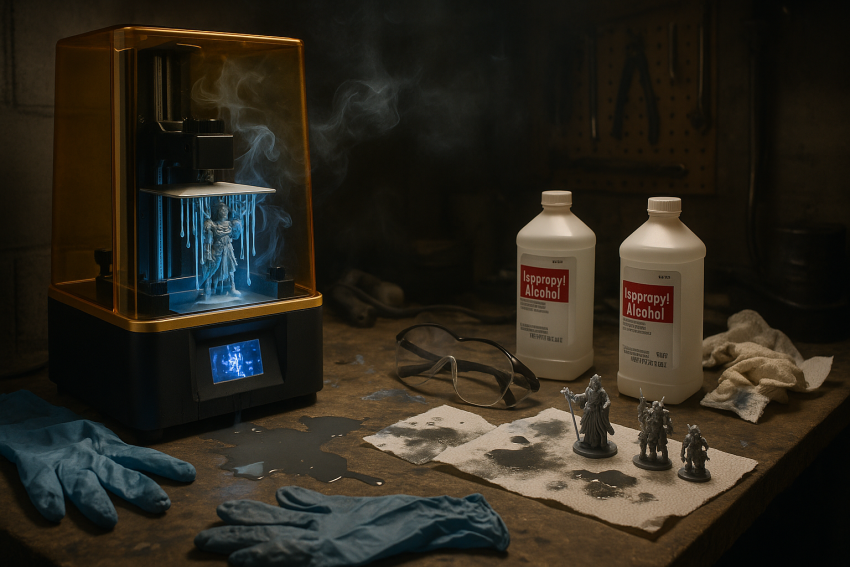
Here’s where things get real. The downside to resin printing is all about the mess and the safety headaches that come with working with liquid resin. This stuff isn’t your run-of-the-mill filament spool you toss in and forget. Resin is a toxic, smelly chemical cocktail that demands respect and careful handling. Direct skin contact can cause irritation or allergic reactions, and the fumes aren’t something you want lingering in your man cave.
The post-processing is a chore you won’t escape. Once your print is done, you need to wash it, usually in isopropyl alcohol, to strip off uncured resin. Then, you have to cure it under UV light to harden it fully. This washing and curing routine isn’t just another step; it can take as long as the print itself and involves dealing with flammable liquids and sticky resin sludge.
Disposal is another headache. You can’t just pour leftover resin or used alcohol down the drain without risking environmental damage and local code violations. You’ll need to research how to properly cure and dispose of waste resin, which adds another layer of complexity for the newbie.
On top of that, the resin printer itself demands careful cleaning and maintenance. The vats and FEP films (the thin transparent layers at the bottom of resin trays) wear out and need replacing, and any spills can quickly turn your workspace into a nightmare. Without proper ventilation and protective gear like nitrile gloves and safety glasses, you’re flirting with respiratory irritation and skin problems.
Equipment and Setup: What You’ll Need to Manage the Mess
If you’re thinking resin printing sounds awesome but want to avoid turning your garage into a toxic swamp, prepping the right setup is non-negotiable. First up, safety gear isn’t optional — gloves, a respirator or mask rated for organic vapors, and eye protection are your frontline defense. You’ll also want a well-ventilated space or ideally, a dedicated room with a fume extractor. Trust me, the resin smell sticks around and gets old fast.
Next, post-processing tools like an ultrasonic cleaner or a good wash station can save you time and hassle. UV curing stations are essential to finish prints properly—while sunlight can do the job, it’s slow and inconsistent. Some budget printers come with UV lights built-in, but many require a separate device.
Your workspace should be easy to clean and resistant to resin spills. Plastic trays, disposable paper towels, and dedicated resin containers will save your sanity. The resin itself can be messy—be prepared for drips and splashes, especially when pouring and cleaning.
Maintenance and Ongoing Costs
Unlike filament printers where the ongoing costs are mostly filament and maybe a new nozzle now and then, resin printing carries a heavier price tag over time. Resin is more expensive per liter than filament, and waste from failed prints or washing can add up quickly. Consumables like replacement vats, FEP films, gloves, and isopropyl alcohol add to the tally.
Plus, the time cost isn’t trivial. Post-processing can double your total print time, especially if you’re meticulous about cleaning and curing. And neglecting maintenance or safety can lead to poor print quality or health issues.
First-Timer Tips: How to Survive and Thrive
If you’re still here and seriously thinking about dipping your toes into resin printing, here’s some hard-earned advice. Start small with cheap resins and basic printers before dropping serious cash. Never skip safety protocols—those gloves and goggles exist for a reason.
Plan your post-processing workflow before your first print. Set up a dedicated cleaning area, and always have proper waste disposal methods ready. Expect a learning curve; don’t get discouraged by early fails or messy spills. Clean resin off your tools and surfaces immediately; once it cures, it’s a nightmare to remove.
One of the biggest rookie mistakes is rushing prints or post-processing to save time. Resin printing rewards patience and precision. Follow manufacturer instructions closely, experiment with settings gradually, and join forums or communities to swap tips.
Is It Worth It? The Final Verdict
So, is resin printing worth the mess? The honest answer is: it depends. If you crave ultra-high detail, smooth surfaces, and can handle a bit of chemistry lab discipline, resin printing opens doors that filament can’t. Miniature painters, jewelers, model makers, and prototype developers will appreciate the leaps in quality and speed.
However, if you’re sensitive to chemicals, don’t want to invest in extra gear or spend significant time on post-processing, resin might not be your best first choice. FDM printing still rocks for durability, ease, and low cost.
The tech is evolving, and newer resins and machines are getting safer and less messy, but it’s still a commitment. Understanding the risks, costs, and workflow upfront will help you decide if this next-level tech deserves a spot in your printing arsenal.
Conclusion
Resin printing isn’t just a step up from filament; it’s a whole new game with different rules. It demands respect for the chemicals, time for cleanup, and patience to master. But the payoff—mind-blowing detail and finish—makes it an addiction for those who love pushing 3D printing’s limits.
If you’re ready to take the plunge or want to share your resin printing war stories, drop a comment below or reach out directly. And don’t forget to subscribe to our newsletter for more raw, honest 3D printing insights. This community’s all about keeping it real and getting the most out of our gear.

Sources
- All3DP: Resin 3D Printing Pros and Cons
- 3D Insider: What Is Resin 3D Printing?
- Formlabs: Resin vs FDM 3D Printing
- MakerBot: Resin 3D Printing Guide
- Creality: How to Clean a Resin 3D Printer
- MatterHackers: Safely Using Resin 3D Printers
- 3D Hubs: FDM vs Resin Printing
- Digital Trends: How Resin 3D Printing Works
- Prusa Printers: How to Clean Resin Prints
- Liebert Pub: Safety Considerations for Resin 3D Printing
- Hackaday: Resin 3D Printing – How Messy Is It?
- MakeUseOf: Is Resin 3D Printing Worth It?
- Tom’s Guide: Best Resin 3D Printers of 2024
- 3DPrint.com: Minimizing Resin Printing Mess
- YouTube: Resin 3D Printing Setup and Cleanup Tips
Disclaimer:
The views and opinions expressed in this post are solely those of the author. The information provided is based on personal research, experience, and understanding of the subject matter at the time of writing. Readers should consult relevant experts or authorities for specific guidance related to their unique situations.