
1,956 words, 10 minutes read time.
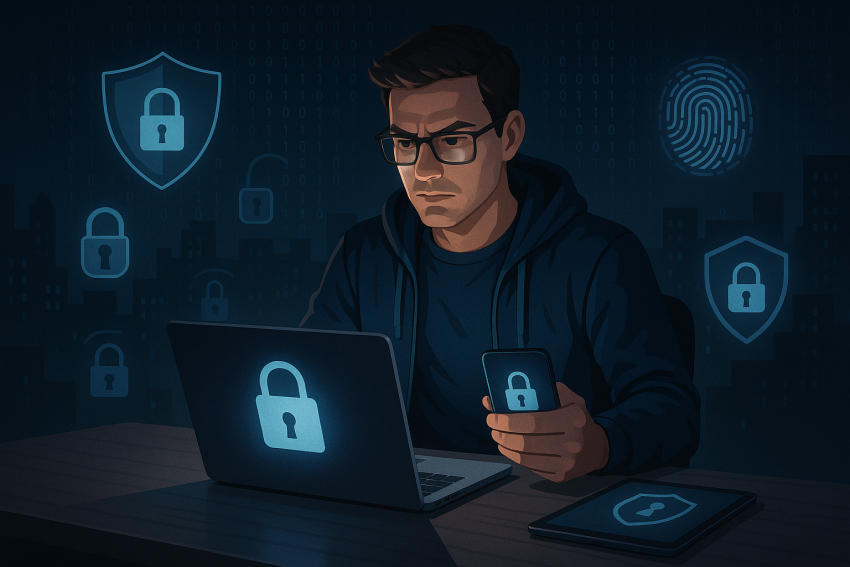
In a world where everything from your banking details to your dating preferences lives online, the concept of personal identity has taken on a new meaning. Most people don’t realize just how exposed they are until it’s too late. Cybercriminals know this—and they thrive on your false sense of security.
Let’s break this down: your digital identity is more than your name and Social Security number. It’s your login history, the devices you use, the questions you answer online, your voice recordings, your browsing habits, and even the way you type. This isn’t sci-fi; this is real, and it’s happening now. According to the Federal Trade Commission, identity theft continues to be one of the fastest-growing crimes in the United States, with millions affected each year.
What makes digital identity so vulnerable? It’s the perfect storm of data abundance and behavioral complacency. Many users still reuse passwords, ignore software updates, and treat cybersecurity like a chore. But hackers see it as an opportunity. They use phishing schemes that mimic trusted organizations, malware embedded in free downloads, and clever social engineering tactics that manipulate you into giving away information without even realizing it.
Start with the basics, but don’t stop there. A strong password is a solid foundation—but you need more. Passwords should be unique, complex, and managed with a secure password manager. As McAfee highlights in their guide to protecting your digital identity, using a password manager not only strengthens your defenses but saves you from the burden of remembering dozens of credentials.
Then there’s multi-factor authentication (MFA). Think of it as your digital seatbelt. Even if someone gets your password, they can’t get far without that second step. Whether it’s a fingerprint, a text message code, or an app-generated token, MFA reduces your exposure dramatically. Every major platform—email, social media, financial apps—offers it. If you’re not using it, you’re already behind.
Another often-overlooked risk is outdated software. Each update you ignore is an unlocked door. Hackers exploit known vulnerabilities in older systems because they know many users won’t bother to patch them. The Cybersecurity and Infrastructure Security Agency (CISA) routinely urges consumers and organizations to update systems promptly to close these security gaps.
Your browser activity tells a story—about your interests, your finances, your travel plans. Without precautions, that data is collected, stored, sold, and sometimes stolen. Using a Virtual Private Network (VPN) helps mask your IP address and encrypts your traffic. Combine this with privacy-respecting browsers like Brave or Firefox, and you create a digital buffer between you and the trackers.
Let’s talk about social media. Posting your location, tagging your workplace, and celebrating your birthday online may seem innocent, but they’re gold mines for hackers. These bits of personal data can help criminals bypass security questions or craft persuasive spear-phishing messages. Morgan Stanley warns in their digital footprint strategies that people should think twice before sharing online, because oversharing is often a gateway to identity theft.
Active monitoring of your digital footprint is not optional anymore. Google your name. Set alerts on your name and email address. Use data breach tracking tools like HaveIBeenPwned to see if your credentials have been compromised. According to Minster Bank, regularly reviewing your credit report is one of the simplest ways to catch fraud before it escalates.
Let’s say the worst happens. You notice unfamiliar transactions, or someone opens a line of credit in your name. What now? First, freeze your credit with all three major bureaus to prevent any further unauthorized accounts. Then, file a report with the FTC at IdentityTheft.gov. Update all passwords, notify your bank, and watch your accounts closely. As Harvard College notes in their guide, the speed at which you act can significantly impact the damage control process.
Want to go even further? Consider a permanent credit freeze. It’s a powerful preventive tool, especially if you’re not planning on applying for new credit in the near future. Encrypt important files and emails using tools like ProtonMail or Signal. Back up sensitive data in secure cloud services or encrypted hard drives. This isn’t just about being cautious—it’s about being prepared.
Here’s another truth: identity theft isn’t always about stealing money. It can be about reputation, blackmail, or even espionage. The way you present yourself online—your LinkedIn profile, your personal blog, your forum contributions—can be twisted or used against you. That’s why monitoring your digital persona is as crucial as locking your front door at night.
Cybersecurity isn’t a product you can buy. It’s a habit you build. A way of life. To quote Bruce Schneier, a legend in the field: “Security is not a product, but a process.” That process begins with awareness and continues with action.
Resources like Stay Safe Online and the Canadian Centre for Cyber Security offer practical, actionable guides. Dive into them. Share them with friends and family. Because cybersecurity doesn’t just protect you—it protects your community, your coworkers, and your future self.
By now, you’ve taken the first big step: becoming informed. But don’t stop here. Apply what you’ve learned. Talk about it. Join forums, read blogs, and stay updated on new threats. You’d be surprised how fast the tactics of cybercriminals evolve. The good news? You can stay one step ahead with the right mindset and the right tools.
Before you close this tab, make one more smart decision: subscribe to our newsletter. We’ll deliver practical cybersecurity insights, breaking cybercrime news, and expert tips straight to your inbox. Or scroll down and leave a comment—let us know how you’re protecting your digital identity in 2025. Your story might just inspire someone else to lock down their life too.
Why Cybercriminals Target Men and How Understanding Their Tactics Gives You the Edge
It might surprise some, but men are disproportionately targeted by cybercriminals, especially those interested or active in digital finance, gaming, and online forums. Why? Because these spaces often involve sharing sensitive information, making transactions, or having weaker cybersecurity habits. Hackers are patient and observant; they watch behavior patterns and exploit predictable mistakes.
Understanding the mindset of cybercriminals is crucial. They are not just technical experts; they are master psychologists. They exploit fear, curiosity, greed, and even social trust to manipulate victims. Social engineering attacks, like phishing or pretexting, rely heavily on this psychological manipulation rather than brute-force hacking. Imagine receiving an urgent email from what looks like your bank asking you to verify a transaction—panic can cloud judgment, leading you to click links or enter credentials on fake websites.
This tactic is incredibly effective. The FBI’s Internet Crime Complaint Center (IC3) reports that phishing and social engineering scams caused billions in losses annually. Learning to recognize the warning signs—odd sender addresses, grammatical errors, urgent language—is a vital skill for anyone in the digital age.
Deep Dive: How Cybercriminals Steal Your Identity
At the technical level, cybercriminals have many tools. Keyloggers record every keystroke, stealing usernames and passwords silently. Trojan viruses can give hackers remote access to your devices. Ransomware encrypts your files, demanding payment to unlock them. Even seemingly harmless free software or browser extensions can harbor spyware.
The dark web serves as a marketplace for stolen data. Your identity, once stolen, can be sold multiple times to different buyers. This includes your credit card info, social security numbers, medical records, and even login credentials. According to McAfee’s analysis, a full identity can fetch hundreds or thousands of dollars on illicit markets.
One newer threat is deepfake technology. Sophisticated AI can create convincing fake videos or audio impersonating you. Imagine receiving a phone call or video message that appears to be from a trusted friend or colleague, asking for sensitive information or money. This emerging tactic raises the stakes and makes verification more complex.
Beyond Passwords: Behavioral and Technical Practices to Protect Yourself
The modern security approach blends technology with behavior. Biometric authentication (fingerprints, facial recognition) adds another layer, but it’s not foolproof. Behavioral biometrics, which analyze your unique patterns like typing speed or mouse movements, are emerging to detect anomalies and block unauthorized users.
Regularly auditing your online accounts for suspicious activity is a practice that can’t be overstated. Set strong privacy settings on social media platforms. Many don’t realize that even if your profile is private, friends-of-friends may still see personal details. Delete old accounts you no longer use; abandoned profiles are low-hanging fruit for hackers.
Phishing attempts have evolved beyond email. SMS phishing, or “smishing,” and voice phishing, “vishing,” are growing threats. Always verify unexpected messages through a secondary communication channel before taking action.
The Hidden Dangers of Public Wi-Fi and How to Stay Secure
Public Wi-Fi is notorious for being insecure. Cybercriminals can set up fake Wi-Fi hotspots named after the café or airport to trick you into connecting. Once connected, they can intercept your data in transit using man-in-the-middle attacks. Avoid accessing banking or sensitive accounts on public Wi-Fi without a VPN. And even with a VPN, be cautious about what data you exchange.
How to Handle a Data Breach
Data breaches at major companies are becoming almost routine. When this happens, your information might be leaked without your knowledge. The best defense is proactivity. Sign up for breach notification services. If your data appears in a breach, immediately change the affected passwords, enable MFA, and monitor your accounts.
You can also freeze your credit proactively, even if no suspicious activity has occurred. This step stops new credit accounts from being opened in your name.
Building Your Cybersecurity Routine
Security is not a one-time fix. It’s about developing routines. Start each day with these habits: update your software, check for security alerts, and review account activities. Use encrypted messaging apps for confidential conversations. Backup your data regularly, ideally to a physical external drive that isn’t always connected, to avoid ransomware wiping your backups.
The Importance of Cybersecurity Education and Community
One of the best defenses is community. Join cybersecurity forums, follow expert blogs, or even take online courses. The landscape changes rapidly; staying informed is half the battle. Engage in conversations and share experiences. You’re not alone, and collective knowledge strengthens individual defenses.
Final Thoughts
Cybercrime is a growing, evolving threat that targets everyone, especially men active in digital spaces. But with the right knowledge and habits, you can protect your identity and your peace of mind. Remember, it’s about awareness, action, and ongoing vigilance.
If you found this guide valuable, subscribe to our newsletter for the latest insights and cybersecurity news. Have a story or tip about protecting your identity? Drop a comment below and join the conversation. Your experience might help someone else stay safe in this digital jungle.

Sources
- Identity Theft and Online Security | Consumer Advice
- 7 Tips to Manage Your Identity and Protect Your Privacy Online
- Strategies to Help Protect Your Digital Footprint – Morgan Stanley
- How to Protect Your Digital Identity | McAfee Blog
- Limit Your Digital Footprint | CISA
- Digital Footprint (ITSAP.00.133) – Canadian Centre for Cyber Security
- Identity Awareness, Protection, and Management Guide (PDF)
- Basics of Staying Safe Online – Online Privacy and Security Toolkit
- Protect Your Reputation and Identity Online – Blackboard Help
- Proactive Steps to Secure Your Digital Footprint – Harvard College
- Protect Your Digital Identity | Minster Bank
- 6 Simple Ways to Protect Your Online Accounts – IU Today
- 10 Ways to Minimize Your Digital Footprint
- How to Protect Your Digital Identity – Allstate
- 8 Essential Tips for Protecting Your Digital Identity–and Your Business
Disclaimer:
The views and opinions expressed in this post are solely those of the author. The information provided is based on personal research, experience, and understanding of the subject matter at the time of writing. Readers should consult relevant experts or authorities for specific guidance related to their unique situations.