
1,458 words, 8 minutes read time.
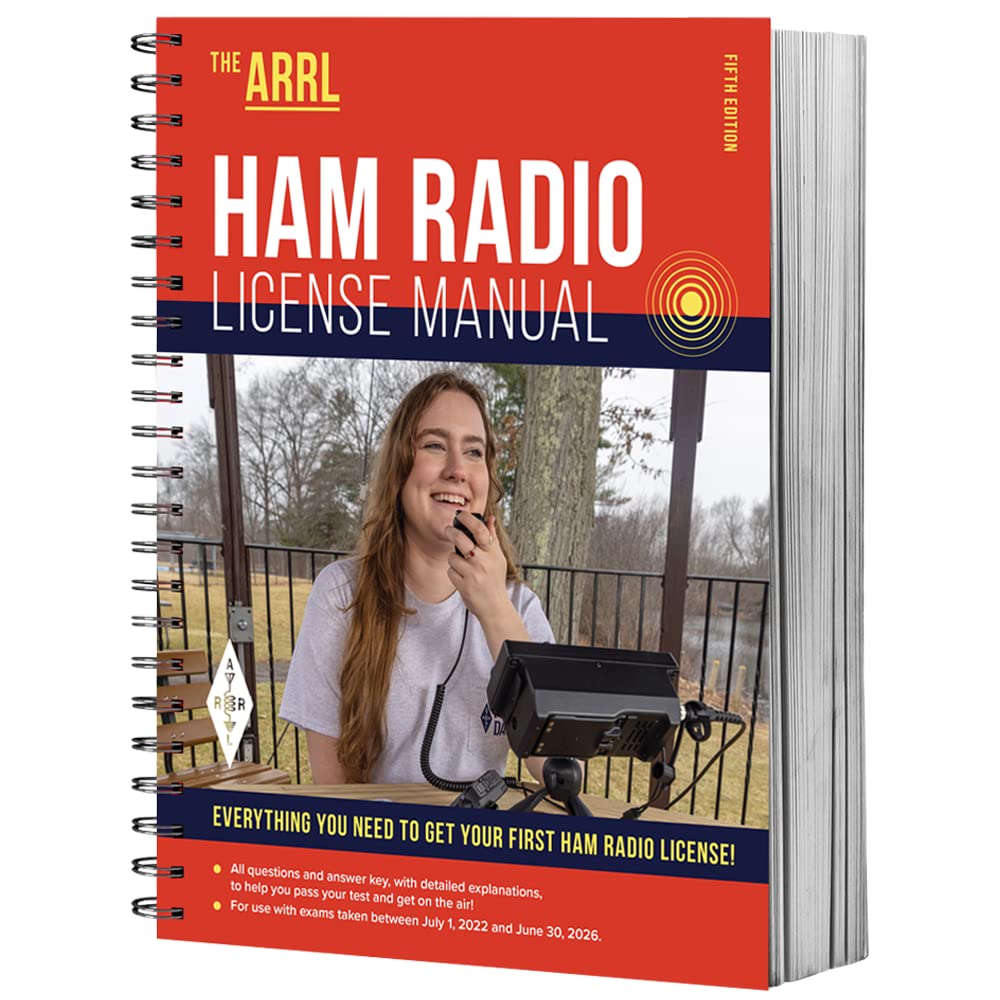
If you’re gearing up to get your Amateur Radio Technician License, chances are your mind is filled with call signs, frequencies, and all the gear you can’t wait to tinker with. That enthusiasm is exactly what the ham radio world thrives on. But there’s something that needs to be front and center—electrical safety. Because before you can make your first contact or even legally operate on your new privileges, you need to understand the real risks involved when electricity and radio gear come together. Think of this guide as your unofficial companion to the Technician License prep—one that gives you the foundation to not only pass the test but operate with confidence and care.
This isn’t just about safety for the sake of it. Knowing how to safely set up and operate a ham station is key to being a responsible and respected operator. And believe it or not, safety is baked right into the Technician License curriculum. So while this guide won’t replace your license study manual, it’s absolutely going to help you absorb some of the most practical, real-world info you’ll need for both the exam and your ham journey.
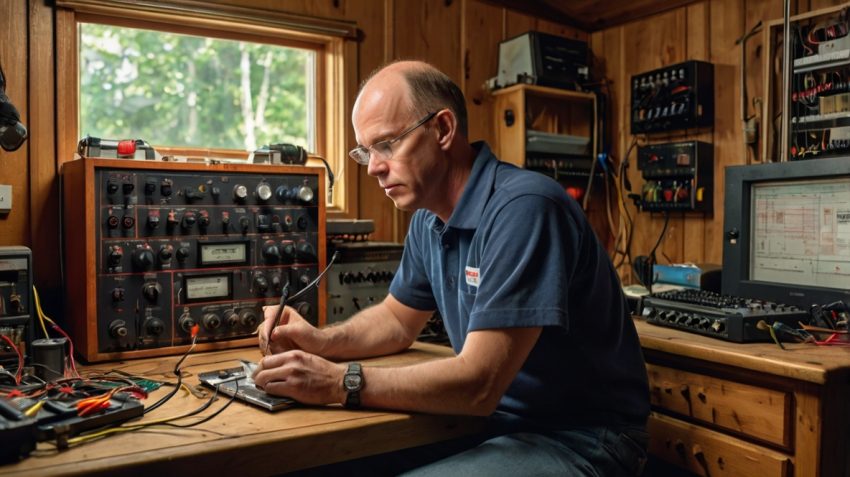
Let’s start with your basic home station setup, something every Technician dreams about. Even if you’re just using a simple handheld transceiver (HT) or a mobile rig on a desk, you’re still interacting with electrical components that can become dangerous without the right precautions. Amateur radio gear, particularly when transmitting, can involve high current and sometimes surprisingly high voltage. As the ARRL points out, “Amateur Radio equipment, especially when transmitting, can expose users to high voltage and high current circuits which are potentially lethal.” (ARRL Electrical Safety).
Understanding your power supply is step one. Most Technician-level operators begin with 12V DC power setups, which might seem harmless. But current is what injures and kills, not just voltage. Improper wiring, loose connections, or shortcuts can easily lead to overheating, sparks, or worse. And if you’re running your equipment from a vehicle battery or external power supply, there’s even more risk. Pay attention to fuse ratings, use properly rated wires, and always ground your equipment correctly.
Grounding deserves a major spotlight. It’s one of the most overlooked but critical parts of station setup. It’s not just about improving signal clarity or reducing noise. Proper grounding can prevent electrocution and minimize damage from lightning or electrical faults. The ARRL has an excellent guide specifically on grounding and bonding for amateur stations (ARRL Grounding and Bonding). It explains why your shack should have a single-point ground and how to set it up safely.
Antenna safety is another crucial topic—and it’s tested in the Technician License exam pool. You’ll learn that antennas must be installed away from power lines and that height and proximity rules aren’t just for RF radiation—they’re for your personal safety, too. Every year, operators—especially new ones—get injured or killed by accidentally touching or installing antennas near energized lines. The RSGB’s antenna safety recommendations echo this warning: “When in doubt, don’t put it up. The consequences of a mistake can be fatal.” (RSGB Safety in the Shack)
Technician licensees also need to be aware of RF exposure. You might think that low-power operations aren’t dangerous, but even a handheld operating at 5 watts can cause damage if improperly used—especially if the antenna is too close to your body for extended periods. In May 2021, the FCC updated its RF exposure rules, and now every amateur station—no matter the license class—must evaluate RF safety. The ARRL has calculators and worksheets to help you stay compliant, and they’re user-friendly enough for beginners (ARRL RF Exposure).
As you study for your Technician License, you’ll see questions about maximum permissible exposure (MPE), duty cycles, and safe antenna placement. Understanding this not only prepares you for the exam, it gives you peace of mind that you’re operating safely. The Clackamas County ARES team even created an in-depth guide with real examples that walk you through these evaluations step by step (Clackamas ARES Guide PDF).
Another thing many newbies overlook is electrical fire prevention. Amateur radio gear can draw a surprising amount of current, and if you’re using extension cords, power strips, or outdated wiring, you’re setting yourself up for a hazard. Invest in a quality power distribution system designed for radio gear, and make sure your shack includes a Class C fire extinguisher. You may never need it, but if you do, it could be a lifesaver.
The ARRL Lab Handbook’s Unit 7 covers many of these potential hazards in detail, with actual case studies of hams who suffered injuries or equipment damage due to simple mistakes. These are cautionary tales every Technician-level operator should read and learn from (ARRL Lab Handbook Unit 7 PDF).
Mobile installations are another area Technician operators frequently explore early on. Mounting a rig in your car might sound easy, but doing it right means understanding your car’s electrical system, using proper fuses, and avoiding interference with your vehicle’s electronics. You’ll find plenty of real-world advice in ARRL’s mobile guides. The key takeaway? Never compromise safety for convenience, even when working with 12V systems.
Now, let’s talk about lightning. Not the metaphorical kind, but the actual bolt-from-the-sky, equipment-destroying type. Technician-level operators are sometimes surprised to learn how real this threat is—even if you’re not operating during a storm. Lightning doesn’t need a direct hit to do serious damage. A nearby strike can induce a powerful surge through your antenna system, frying your rig in seconds and potentially starting a fire. That’s why lightning protection isn’t optional; it’s essential. Devices like lightning arrestors and surge protectors can save your station—and possibly your home. And this isn’t just a nice-to-know. The ARRL covers this in its Lightning Protection guidelines, noting how vital a properly installed ground system is to dissipate energy safely (ARRL Lightning Protection).
Once you’ve tackled grounding and lightning, it’s time to think about bonding. A term you might not be familiar with yet, bonding refers to connecting all your station’s metal parts to the same electrical ground. It keeps stray voltage from building up between components and helps avoid shocks or damage. As the ARRL’s detailed guide on grounding and bonding explains, “A bonded station is a safer station.” That same guide is worth bookmarking because it’s written with beginners in mind and walks you through both theory and practical steps.
As a future Technician License holder, understanding these details won’t just help you on the exam—it will help you earn respect in the ham community. There’s an unspoken badge of honor in building a shack that’s not only functional but rock-solid in safety. People will ask how you did it, and you’ll know exactly why your coax is looped the way it is, why your feedline is a certain length, and why your grounding rod is exactly where it should be.
Let’s shift to something a little less dramatic but just as important: your continued journey in amateur radio. Earning your Technician License is just the beginning. The learning never stops—especially when it comes to safety, station design, and operating best practices. Every bit of knowledge you pick up now makes you a more confident, capable, and prepared operator down the line.
If you’ve found this guide helpful and want more practical insights like this—straight talk from experienced hams, exam tips, real-world advice, and gear reviews tailored for beginners—then don’t miss out on our newsletter. We break down complex topics into easy-to-understand tips and deliver them right to your inbox. No spam, no fluff—just real value for hams who are learning the ropes.
If this guide gave you a clearer picture of how to stay sae while building your station, there’s a lot more where that came from. Our newsletter is built for folks just like you—those getting started, asking smart questions, and wanting practical, real-world ham radio tips without all the jargon.

Sources
- Electrical Safety – ARRL
- Unit 7: Safety – ARRL Lab Handbook (PDF)
- General Safety – ARRL
- RF Exposure – ARRL
- Lightning Protection – ARRL
- Grounding and Bonding – ARRL
- No-Nonsense Tech Guide: Station Safety
- Safety in the Shack – RSGB
- NFPA-70 and The Radio Amateur
- RF Radiation and Field Safety – ARRL
- Essential Electrical Devices for Safety
- Chapter 9: Electrical & RF Safety – ARRL
- RF Exposure Guide for Hams (PDF)
- FCC Bulletin OET65B on RF Exposure
- Grounding & Bonding Book – ARRL (Amazon)
Disclaimer:
The views and opinions expressed in this post are solely those of the author. The information provided is based on personal research, experience, and understanding of the subject matter at the time of writing. Readers should consult relevant experts or authorities for specific guidance related to their unique situations.