
1,660 words, 9 minutes read time.

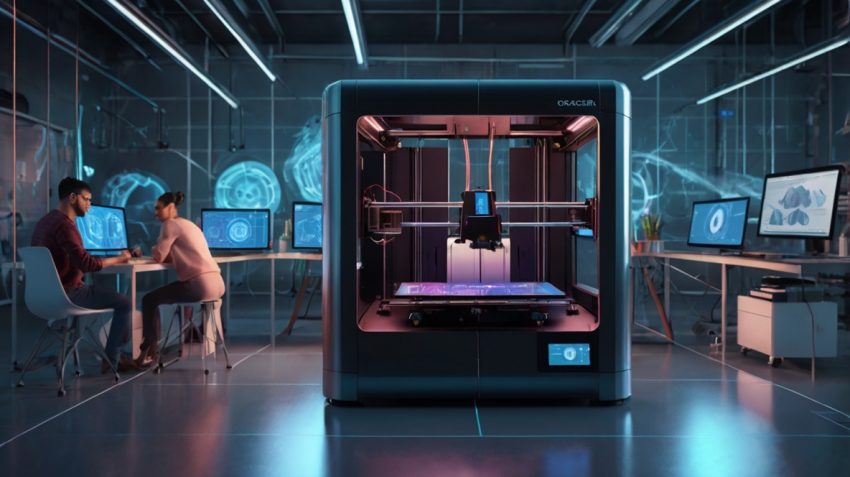
AI-generated visualization of the 3D printing community embracing open-source solutions like OrcaSlicer, breaking down fragmentation and fostering collaboration
In the ever-evolving world of 3D printing, one of the biggest challenges facing users today is the fragmentation of software across different printer manufacturers. Companies in the 3D printing industry continue to create proprietary slicers that limit the versatility of the machines they produce, leaving consumers in the lurch when it comes to software compatibility. The rise of OrcaSlicer, a free and open-source slicer for 3D printers, has brought this issue into sharp focus, with many users questioning the decision to create new slicers rather than contributing to existing open-source platforms. This document dives into the dilemma that 3D printer manufacturers have created by not fully supporting unified slicer solutions and how this fragmentation harms users and the industry at large.
The Problem: Fragmentation of the 3D Printing Software Ecosystem
The rapid development of the 3D printing industry over the past decade has given rise to an overwhelming number of machines, each offering unique features. These machines often come with proprietary software and slicers, tailored to specific printer models. While this may seem like a convenient solution for manufacturers, it has led to an increasingly fragmented landscape for users, who must juggle different programs and file formats just to operate their machines.
One of the most popular slicers in the 3D printing community is OrcaSlicer, a free and open-source platform that allows users to optimize print settings and streamline their workflows. Unlike proprietary slicers, which often limit functionality and software updates, OrcaSlicer is highly customizable and can integrate with various 3D printers through user-created profiles. It is widely recognized as one of the most powerful and accessible slicers available, providing users with the flexibility to fine-tune their prints and make adjustments based on specific needs. However, it is not always supported by every printer manufacturer, leaving users with no choice but to rely on other, often less efficient, slicers.
The crux of the issue lies in the fact that many printer companies choose to develop their own slicers or even fork existing open-source slicers like OrcaSlicer. The result? A disjointed software ecosystem that forces users into proprietary silos, creating inefficiency and frustration. This problem has led to a growing movement within the 3D printing community advocating for a universal slicer that works across all machines, regardless of manufacturer.
Why Printer Companies Are Creating Their Own Slicers
At first glance, it might seem logical for 3D printer manufacturers to create their own slicers. After all, they have a vested interest in ensuring their machines operate seamlessly with the software they provide. Additionally, these proprietary slicers give manufacturers full control over the user experience, allowing them to tailor features to their specific machines and provide a “branded” solution.
However, when examining the broader implications of this approach, the drawbacks become apparent. Creating and maintaining a proprietary slicer requires significant resources, especially when compared to contributing to or building upon an already existing open-source platform like OrcaSlicer. Furthermore, manufacturers must constantly update their slicers to remain compatible with the latest firmware and hardware updates, which often leads to delays and frustration among users.
This also creates a fragmented user experience, as customers are forced to learn and use a different slicer for each printer they own, making the entire 3D printing experience more complex than it needs to be. Many consumers simply want a reliable and user-friendly slicer that can work across different machines and handle various filament types, print speeds, and quality settings. By opting for proprietary solutions, manufacturers are neglecting the very need for a unified software ecosystem that could enhance the user experience and simplify workflows.
The Rise of OrcaSlicer and Its Role in the Solution
OrcaSlicer has emerged as a beacon of hope for many users frustrated by the lack of universal software support. This open-source slicer provides an efficient and customizable solution for users who want the freedom to experiment and optimize their prints without being locked into a single manufacturer’s ecosystem. Its wide compatibility with various 3D printers and its ease of use make it a go-to tool for both beginners and advanced users alike.
A key feature of OrcaSlicer is its ability to support a wide range of 3D printer profiles, which users can import and fine-tune. This flexibility allows OrcaSlicer to accommodate printers from different manufacturers, eliminating the need for multiple slicers to manage different devices. The community-driven development model of OrcaSlicer also ensures that it remains up-to-date, with new features, profiles, and bug fixes being contributed by users around the world.
Despite the clear benefits of OrcaSlicer, however, many printer manufacturers have yet to fully embrace this open-source solution. Some manufacturers have chosen to fork OrcaSlicer or develop their own slicers entirely, limiting the potential of this versatile platform. This is where the crux of the issue lies: if more printer manufacturers were to contribute to and support OrcaSlicer, it could become a truly universal slicer capable of supporting the vast majority of 3D printers on the market today.
The Community’s Reaction: A Call for Standardization
The 3D printing community has been vocal in its frustration with proprietary slicers and the fragmentation of the software landscape. A growing number of users are calling for manufacturers to stop forking OrcaSlicer and instead contribute directly to its development. As one commenter aptly put it, “If you give us the code to talk to your printer and optimized profiles, we’ll import it into OrcaSlicer AND give you a reskinned version with your corporate branding.”
The sentiment is clear: printer manufacturers can achieve a better outcome by working within the existing open-source framework rather than reinventing the wheel with their own proprietary solutions. By doing so, they can focus on optimizing their hardware while relying on a proven and community-driven slicer to handle the software side. In return, the 3D printing ecosystem as a whole would benefit from a unified, open platform that works seamlessly across different machines and technologies.
The community also voiced concerns over the growing trend of companies locking users into proprietary systems. As one commenter noted, “I refuse to buy a printer I cannot use OrcaSlicer with.” This reflects the broader dissatisfaction with the direction some manufacturers are taking by limiting software compatibility. Users are increasingly drawn to machines that allow for more flexibility, with OrcaSlicer compatibility being a key factor in purchasing decisions.
Addressing the Filament and Connectivity Dilemma
Beyond slicer fragmentation, another issue that has come to the forefront is the placement of filament sensors and remote connectivity features in 3D printers. Many manufacturers place the filament run-out sensor far from the extruder, creating unnecessary complications for users. One commenter expressed frustration with this, stating, “Put it in the tool head, for real.”
This issue is part of a broader trend in which manufacturers fail to prioritize user-centric design. For instance, remote connectivity is a critical feature for many users, particularly those who wish to monitor and control their 3D printers remotely. A lack of integration with universal software platforms, such as OrcaSlicer, prevents users from enjoying seamless connectivity across different machines, which leads to additional frustration.
Additionally, some users have pointed out that manufacturers often force customers to use proprietary filament with RFID tags in order to fully interact with the printer. This practice not only locks users into specific brands but also detracts from the open-source ethos that many 3D printing enthusiasts value.
The Path Forward: Embracing Open-Source Collaboration
The future of 3D printing lies in open collaboration and a more unified software ecosystem. Printer manufacturers can no longer afford to fragment the market by creating isolated, proprietary systems. Instead, they should look to established open-source projects like OrcaSlicer to provide the foundation for their software needs.
The solution is simple: manufacturers should contribute to the development of open-source slicers, ensuring that their printers are fully compatible with widely-used platforms. By providing printer profiles, optimized settings, and firmware updates that work within the open-source ecosystem, manufacturers can foster an environment of collaboration and innovation. This would allow users to enjoy a seamless experience regardless of the printer they own, while manufacturers could still maintain their competitive edge through hardware advancements.
Moreover, open-source contributions would help ensure that 3D printing remains accessible to a broader audience, especially hobbyists and enthusiasts who rely on customizable solutions. By embracing open-source collaboration, manufacturers can improve their products and build stronger relationships with their user base.
Conclusion
In conclusion, the fragmentation of 3D printing software has created unnecessary barriers for users and stifled the potential of the industry. While proprietary slicers may seem like an attractive option for manufacturers, they ultimately lead to inefficiencies and user dissatisfaction. Open-source slicers like OrcaSlicer offer a viable solution to this problem, allowing users to enjoy greater flexibility and compatibility across different machines.
As the 3D printing community continues to push for standardization and open collaboration, it’s time for manufacturers to listen and prioritize user needs over proprietary systems. By contributing to existing open-source platforms and embracing collaboration, the 3D printing industry can continue to thrive and innovate in ways that benefit both manufacturers and users alike.
If you’re passionate about staying informed on the latest developments in 3D printing and technology, don’t forget to subscribe to our newsletter for regular updates, tips, and insights from the world of 3D printing!

Sources
- Shop Therapy: Measure Existing Threads to 3D Print a New Cap/Lid
- FLSun Official Website
- Bambu Lab Official Website
- AnyCubic Official Website
- Creality Official Website
- Prusa 3D Official Website
- OrcaSlicer Official Website
- Sovol Official Website
- Ultimaker Official Website
- Elegoo Official Website
- 3D Printing Official Website
- 3D Print Beginner
- Makezine: 3D Printing News and Tips
- Tom’s Hardware: 3D Printing Reviews
- All3DP: 3D Printing Information and Guides
Disclaimer:
The views and opinions expressed in this post are solely those of the author. The information provided is based on personal research, experience, and understanding of the subject matter at the time of writing. Readers should consult relevant experts or authorities for specific guidance related to their unique situations.