
1,349 words, 7 minutes read time.

I never thought I’d be telling my story like this, but if there’s even a chance it could help someone else, then it’s worth it. My name is Yonah, and what I’m about to share isn’t just an old story—it’s my life.
I was born into a life of privilege. My father was a wealthy and respected man, and we never wanted for anything. From the time I was a child, I was accustomed to fine clothes, plentiful food, and the security of our family estate. Servants met our every need, and life was free from hardship. My older brother, Ezra, was the responsible one, always doing what was right, always staying close to home. He took to our father’s teachings easily, walking the path of obedience without question. But I? I wanted more. I longed for adventure, for the thrill of the unknown. The routines of our household felt suffocating, and I resented the expectations placed upon me.
One day, in my impatience and arrogance, I did the unthinkable. I went to my father and demanded my inheritance. It was as if I were telling him I wished he were dead. I saw the pain in his eyes, yet he gave me what I asked for. Without argument, without delay, he divided his wealth and handed me my share. It was more money than I had ever seen at once, and with it came the intoxicating promise of freedom. I left without looking back, believing I would never regret my decision.
I traveled far from home to a city teeming with excitement, filled with people who lived without restraint. Every street was alive with music, feasts, and revelry. I spent my wealth freely, indulging in pleasures I had never known. I surrounded myself with laughter and extravagance, foolishly believing I had found true freedom. With gold in my pockets, I was adored. People called me “friend,” and I believed them. I drank the finest wine, wore the richest garments, and enjoyed the company of those who whispered promises of love and loyalty. I was blind to the truth—I was merely a source of wealth to those around me, not someone they truly cared for.
But freedom without wisdom is a dangerous thing. Before I realized it, my fortune was gone, squandered in my reckless pursuit of pleasure. The gold slipped through my fingers faster than I could hold on to it, spent on fleeting moments of joy that left me emptier each time. I had convinced myself that the wealth would never run out, that I would always be able to provide for myself. How foolish I had been.
Then, a famine struck the land. The city that had once been full of merriment turned into a place of desperation. Food became scarce, and those who had once called me a friend disappeared like shadows in the night. With no money, no food, and no friends left to call upon, I found myself destitute. The inns that had once welcomed me shut their doors, and I wandered the streets in rags, seeking shelter where I could. Desperate, I took work feeding pigs—an unthinkable humiliation for a man of my people. The stench clung to me, the filth seeped into my skin, and the hunger was unbearable. I longed to eat the very slop I was feeding the animals, but even that was not given to me.
It was in that wretched state, covered in filth and shame, that I came to my senses. I thought of my father’s servants, who lived better than I did now. They had food to eat, clean clothes to wear, and a roof over their heads. At that moment, I knew what I had to do. The thought of returning home was almost too painful to bear—how could I face the father I had betrayed? But there was no other choice.
I would return home. I would fall at my father’s feet and beg him to take me in—not as a son, but as a servant. I had forfeited my place in his household, but perhaps he would have mercy on me. I spent days rehearsing what I would say, whispering the words over and over to myself: “Father, I have sinned against heaven and against you. I am no longer worthy to be called your son. Make me like one of your hired servants.”
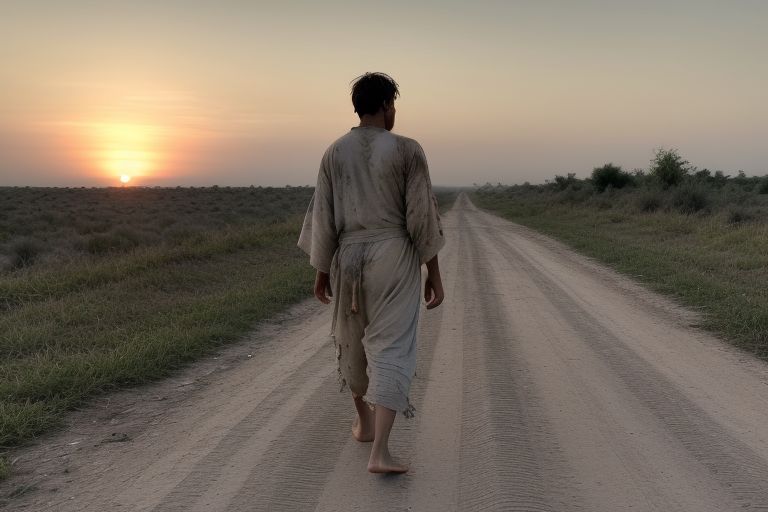
The journey back was long, each step weighed down with fear and regret. I traveled in silence, my heart pounding with every mile that brought me closer to home. My clothes were in tatters, my body weak from hunger. The road that had once been a symbol of escape now felt like a path of shame. What if my father refused to see me? What if he had disowned me? What if I arrived only to be turned away at the gates?
But before I could reach the gate, I saw him. My father. He was running toward me. Running! No dignified man of his stature would do such a thing, yet there he was, robes billowing, arms outstretched. I barely recognized him in my daze, but as he drew closer, I saw the tears in his eyes.
Before I could utter a single word of my rehearsed apology, he embraced me.
“My son,” he whispered. “You have returned.”
Tears streamed down my face. I tried to speak, to confess, to plead for mercy, but he silenced me with his love. He called for his servants to bring the finest robe, to place a ring on my finger, and sandals on my feet. I could hardly believe it—after all I had done, he still called me his son. He commanded a feast to be prepared, for this was a time of celebration. “My son was dead and is alive again; he was lost and is found.”
But not everyone rejoiced. My brother, Ezra, stood outside the house, his heart hardened with resentment. He had stayed, he had worked, he had obeyed, and yet here I was, the reckless fool, being honored. My father went to him, speaking words I now understand so deeply: “My son, you are always with me, and all that is mine is yours. But we had to celebrate, because your brother was dead and has come to life again; he was lost and has been found.”
I do not deserve the love my father showed me. I do not deserve the restoration he so freely gave. And yet, that is the truth of grace—it is not about what we deserve. It is about love, forgiveness, and the joy of being found again.
If you have wandered far from home, if you have made mistakes you think can never be undone, hear my story. There is always a way back. And when you take that first step, you will find that the One you seek has been waiting for you all along.

Sources
- The Holy Bible – Luke 15:11-32 (Parable of the Prodigal Son)
- Historical Background: First-Century Jewish Inheritance Customs
- Social Structure of Ancient Judea – Jewish Landowners and Roman Influence
- Sepphoris: A Romanized City in Galilee (Archaeological Findings)
- Jewish Views on Inheritance and Honor (Mishnah & Talmud References)
- The Cultural Significance of Pigs in Jewish Law (Leviticus 11:7)
- Hospitality and Forgiveness in Jewish and Middle Eastern Culture
- The Symbolism of the Father Running in the Parable
- Ancient Near Eastern Practices of Servitude vs. Sonship
- Jewish Perspectives on Repentance and Restoration (Yom Kippur)
- The Meaning of the Robe, Ring, and Feast in the Parable
- The Role of Older Sons in Jewish Patriarchal Families
- Comparisons Between the Prodigal Son and Other Biblical Redemption Stories
- Grace and Redemption in Christian Theology
- How This Parable Applies to Modern Life and Faith
Disclaimer:
The views and opinions expressed in this post are solely those of the author. The information provided is based on personal research, experience, and understanding of the subject matter at the time of writing. Readers should consult relevant experts or authorities for specific guidance related to their unique situations.