
1,185 words, 6 minutes read time.
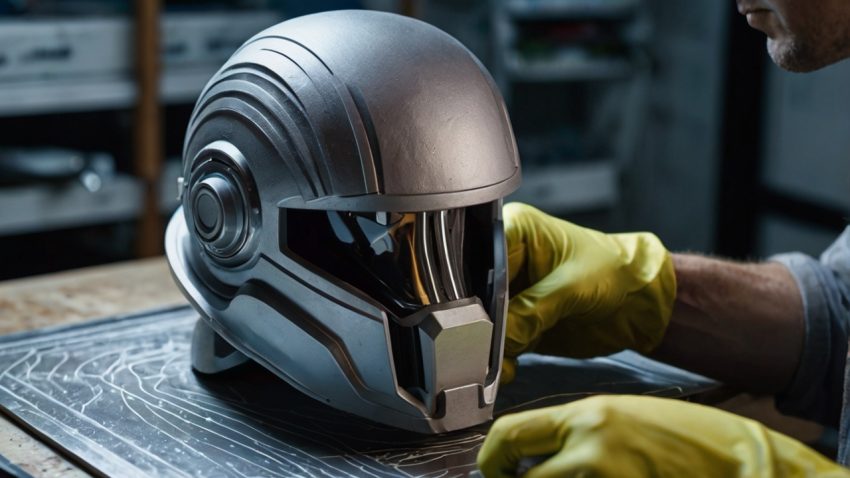
When it comes to 3D printing, the raw print is just the beginning. If you want your model to look professional, prepping it properly before airbrushing is essential. A smooth, primed surface ensures that the paint adheres well, looks great, and lasts a long time. Whether you’re working with PLA, ABS, or resin, taking the time to sand, prime, and finish your print will make a huge difference. In this guide, we’ll walk through the entire process, from fixing layer lines to applying the perfect primer coat, so you can turn your 3D prints into polished masterpieces.
3D printing technology has come a long way, but even the best prints have imperfections. FDM prints tend to show layer lines, while SLA and resin prints can have support marks or uneven textures. These flaws are magnified under paint, especially when using an airbrush. Without proper surface preparation, even the most well-designed models can end up looking cheap. The good news? With the right techniques, you can eliminate these imperfections and create a flawless surface ready for airbrushing.
Smoothing your 3D print is the first major step in the process. For FDM prints, sanding is your best friend. Start with a coarse grit, like 120 or 180, to remove the roughest layer lines. Work your way up through finer grits, ending with 400 or even 600 for a smooth finish. Wet sanding helps reduce dust and gives an even finer result. If you’re dealing with deep imperfections, fillers like Bondo or spot putty can be lifesavers. Simply apply the filler, let it dry, and sand it down until the surface is smooth. Resin prints often require less sanding, but removing support marks and any remaining print artifacts is crucial. Unlike FDM, resin prints can benefit from chemical smoothing using isopropyl alcohol, which helps even out the surface before priming.
Chemical smoothing is another option, though it’s more effective on certain materials. Acetone vapor smoothing works well for ABS but is ineffective for PLA. If you’re using PLA, alternatives like alcohol-based smoothing solutions can help, but they require patience and a steady hand. For resin prints, IPA cleaning followed by careful UV curing ensures that any sticky residue is removed before moving to the next step.
Once the print is smooth, it’s time for priming. Priming does more than just help paint stick—it also reveals tiny imperfections that need fixing. Filler primers, like those used in the automotive industry, work particularly well for 3D prints. These primers fill in minor gaps and layer lines, reducing the need for excessive sanding. The key to a good primer coat is applying thin, even layers. Thick coats can obscure details and lead to drips or texture issues. Between coats, a light sanding with 800-grit paper helps maintain a smooth surface. Some hobbyists recommend sanding between every layer of primer to achieve an ultra-smooth finish.
Choosing the right primer matters, too. Acrylic primers are beginner-friendly and easy to clean up, but they may not be as durable as solvent-based primers. If you’re working with a high-detail model, opt for a fine-surface primer that won’t obscure intricate features. For large prints or rougher surfaces, a heavier filler primer might be the better choice. Regardless of the type, always ensure the primer is fully dry before moving on to painting. Some primers dry to the touch quickly but require 24 hours to fully cure.
Once the print is primed, the final step before airbrushing is surface cleaning and masking. Even small particles of dust or oil from your hands can interfere with paint adhesion. Wiping the print down with isopropyl alcohol removes contaminants and ensures a flawless finish. If your model has multiple color sections, masking tape or liquid mask is essential to keep lines sharp. Low-tack painter’s tape works well for most applications, but for complex designs, liquid masking solutions provide more precision.
With the prep work complete, your 3D print is finally ready for airbrushing. The effort put into smoothing, priming, and cleaning will pay off with a professional-looking finish. A properly prepped model not only looks better but also lasts longer, as the paint adheres more securely and resists chipping or peeling over time. The key takeaway? Rushing through the preparation process leads to mediocre results. Taking the extra time to smooth, prime, and clean your print will elevate your finished project, making it look like a professionally manufactured piece.
For a deeper dive into specific techniques, check out Formlabs’ guide on priming and painting 3D prints (https://formlabs.com/blog/how-to-prime-and-paint-3d-prints/) or Xometry’s detailed article on smoothing methods (https://www.xometry.com/resources/3d-printing/smooth-3d-prints/). These sources provide additional insights and advanced tips to take your 3D print finishing skills to the next level. Whether you’re working on a cosplay prop, a scale model, or a functional prototype, mastering the art of print preparation will transform your projects from good to stunning.

Sources
- Formlabs: How to Prime and Paint 3D Printed Parts – A comprehensive guide detailing the steps to sand, prime, and paint 3D-printed parts for a professional finish.
- Fictiv: How to Finish 3D Printed Parts – Get the Ultimate Guide – This article explores various finishing techniques, including sanding, polishing, and painting, tailored for different 3D printing materials.
- Xometry: 7 Ways to Smooth a 3D-Printed Part for the Best Surface Finish – An informative piece discussing multiple methods to achieve a smooth surface on 3D-printed parts, such as abrasive smoothing and resin application.
- Makenica: How to Sand and Paint the 3D Prints? – This guide provides insights into preparing 3D-printed models by sanding and priming before painting, ensuring optimal results.
- Wikipedia: 3D Printing – Finishing – An overview of various finishing processes for 3D-printed parts, including sanding, chemical smoothing, and painting techniques.
- Reddit: My Guide to Prepping 3D Prints for Painting – A community discussion offering practical advice on sanding, filling, and priming 3D-printed parts to achieve a smooth finish.
- Bambu Lab Forum: Smoothing, Finishing PLA Prints – A forum thread discussing effective methods for smoothing and finishing PLA 3D prints, including the use of filler primers and sanding techniques.
- RC Tank Warfare: Prepping a 3D Print for Painting – A forum discussion outlining steps to prepare 3D-printed models for painting, emphasizing surface cleaning, priming, and sanding.
- Tamiyaclub Forum: 3D Printed Parts Smoothing – A forum post exploring various methods for smoothing 3D-printed parts, including the use of filler primers and acetone vapor smoothing.
- Prusa Forum: Airbrush Usage for Our 3D Print? – A discussion on the Prusa forum about techniques and considerations when airbrushing 3D-printed models, including priming and paint selection.
- The RPF Forum: Smoothing and Finishing a 3D Printed Prop – Insights from community members on methods for smoothing and finishing 3D-printed props, highlighting sanding and filler application.
- YouTube: How to Prep and Airbrush a 3D Print – A video tutorial demonstrating the process of sanding, filling, and priming 3D-printed parts to achieve a high-quality finish.
Disclaimer:
The views and opinions expressed in this post are solely those of the author. The information provided is based on personal research, experience, and understanding of the subject matter at the time of writing. Readers should consult relevant experts or authorities for specific guidance related to their unique situations.