
1,685 words, 9 minutes read time.
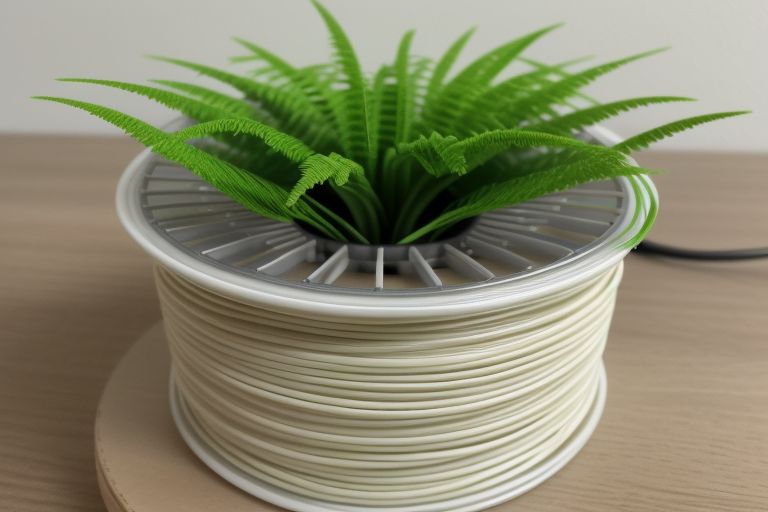
3D printing, also known as additive manufacturing, has revolutionized industries from healthcare to aerospace. However, one of the most pressing concerns about this technology is its environmental impact. Traditional 3D printing materials like ABS (Acrylonitrile Butadiene Styrene) and PLA (Polylactic Acid) contribute significantly to plastic waste, posing serious environmental threats. In response to this, biodegradable filaments are emerging as eco-friendly alternatives, offering a sustainable solution to this growing problem. But what exactly are biodegradable filaments, and why are they gaining so much attention in the 3D printing world? Let’s dive in and explore how these materials are changing the game.
What Are Biodegradable Filaments?
Biodegradable filaments are 3D printing materials designed to decompose naturally over time when exposed to certain conditions. Unlike traditional plastics that can persist in landfills for hundreds of years, biodegradable filaments are made from renewable resources like corn starch, sugarcane, and even algae. They offer a sustainable alternative to conventional plastic filaments that are commonly used in 3D printing. The appeal of these materials is clear – they reduce environmental pollution and the dependence on non-renewable petroleum-based products. These filaments are not only environmentally friendly but can also be composted, making them a promising solution for reducing waste in the world of additive manufacturing.
While there are various biodegradable filaments available, the most common ones include Polylactic Acid (PLA), Polyhydroxyalkanoates (PHA), and blends of these materials. Each type has its own distinct advantages and limitations, and understanding these differences is crucial when choosing the best material for a specific application.
The Rise of PLA: A Popular Biodegradable Filament
PLA is the most widely used biodegradable filament in 3D printing. It is made from renewable resources like corn starch or sugarcane, making it an attractive option for environmentally conscious consumers. PLA is favored for its ease of use and low environmental impact compared to other plastics. It has a low melting point, which makes it suitable for a wide range of 3D printers, even those designed for home use.
One of the key advantages of PLA is that it emits fewer toxic fumes compared to other filaments like ABS, making it safer for indoor use and educational settings. Additionally, PLA is biodegradable under industrial composting conditions, breaking down into water and carbon dioxide. According to a report by The Guardian, PLA is recognized for its ability to degrade within a year under composting conditions (The Guardian, 2020). However, PLA’s compostability is highly dependent on the specific conditions in which it is placed, as it requires a temperature of over 50°C (122°F) to break down effectively.
Despite its advantages, PLA does have some limitations. It is more brittle than other plastics, making it less suitable for objects that require high durability or flexibility. Furthermore, PLA’s heat resistance is limited, so it can warp or deform when exposed to high temperatures. As a result, PLA may not be the best option for all 3D printing projects.
PHA: A Tougher, More Flexible Alternative
Polyhydroxyalkanoates (PHA) are another class of biodegradable materials that are gaining traction in the 3D printing community. PHA is a biodegradable polymer produced by bacteria that feed on organic materials, such as sugars and lipids. The primary benefit of PHA over PLA is its superior flexibility and toughness. PHA is less brittle and more resistant to cracking, making it ideal for applications that require more robust materials.
PHA also has a higher heat resistance compared to PLA, which can make it more suitable for products exposed to high temperatures. Additionally, it is compostable in both industrial and home composting conditions, making it a versatile material for environmentally conscious consumers. However, PHA filaments are currently more expensive than PLA, which can make them less accessible for casual users or hobbyists. The higher cost is largely due to the complexity of producing PHA, which involves fermentation processes using bacteria, a factor that makes it less widely available compared to PLA.
Despite the higher price, PHA is viewed as a promising alternative for applications in which durability and flexibility are paramount. Companies like Fillamentum are offering PHA-based filaments, and they have been especially popular for prototyping and other industrial uses. These materials are also increasingly being explored for use in creating sustainable consumer products, such as packaging and even biodegradable medical devices.
PLA/PHA Blends: Striking a Balance Between Properties
To balance the advantages and disadvantages of PLA and PHA, some manufacturers have developed PLA/PHA blends. These filaments combine the best qualities of both materials—PLA’s ease of use and lower cost with PHA’s increased durability and flexibility. By blending these two materials, manufacturers are able to offer a biodegradable filament that performs well in a variety of applications while maintaining a lower cost compared to pure PHA.
Nonoilen® by Fillamentum, for example, is a blend of PLA and PHA that provides improved toughness and better heat resistance while maintaining the biodegradability of PLA. This blend is a great option for consumers who want a more durable filament without sacrificing the eco-friendly qualities of PLA. These blends are also gaining popularity in industries like product design, where a balance of cost, durability, and environmental responsibility is key.
Other Biodegradable Filament Innovations
While PLA, PHA, and their blends are the most common biodegradable filaments, there are other innovative materials being developed to further reduce the environmental impact of 3D printing. For example, companies like B4Plastics are producing COMPOST3D®, a filament made primarily from natural raw materials that is fully compostable under the right conditions. This filament offers another sustainable alternative to petroleum-based plastics.
Additionally, recycled filaments made from post-consumer waste, such as discarded fishing nets or plastic bottles, are gaining traction. Fishy Filaments, a company that recycles fishing nets into high-quality nylon for 3D printing, demonstrates the potential of reusing existing plastic waste for additive manufacturing. As the technology behind recycling plastics advances, we can expect to see more recycled filament options in the market, further reducing the environmental footprint of 3D printing.
The Environmental Benefits of Biodegradable Filaments
The shift toward biodegradable filaments presents numerous environmental benefits. First and foremost, these materials reduce the reliance on petroleum-based plastics, which are non-renewable and contribute significantly to plastic pollution. PLA, PHA, and other biodegradable materials offer a renewable and sustainable alternative, decreasing the amount of plastic waste in landfills and the ocean.
Additionally, biodegradable filaments can help reduce carbon emissions. According to the Additive Manufacturing Media, biodegradable plastics like PLA typically have a lower carbon footprint during production compared to conventional plastics (Additive Manufacturing Media, 2021). By using plant-based feedstocks instead of fossil fuels, biodegradable filaments help lower greenhouse gas emissions, contributing to a more sustainable 3D printing industry.
However, it is important to note that the biodegradability of these filaments is not a perfect solution. Many biodegradable materials require industrial composting conditions to break down efficiently. In home composting environments, these materials may degrade at a slower rate. Furthermore, while biodegradable filaments help reduce plastic waste, they are not a cure-all for the environmental challenges posed by 3D printing. As with any technology, the responsible use of biodegradable filaments is crucial to maximizing their environmental benefits.
Applications of Biodegradable Filaments in 3D Printing
Biodegradable filaments are finding applications in a wide range of industries. In product design and prototyping, biodegradable materials offer an environmentally responsible way to create models and samples. Educational institutions are also adopting biodegradable filaments in classrooms to teach students about sustainability while providing a safe and easy-to-use material for 3D printing projects.
Another promising application is in the creation of biodegradable consumer products. Items like biodegradable phone cases, home decor, and packaging are being made from PLA and other biodegradable filaments, helping to reduce plastic waste in everyday life. As 3D printing technology continues to improve, the use of biodegradable materials in consumer products is expected to increase.
The Future of Biodegradable Filaments
As demand for sustainable solutions grows, the future of biodegradable filaments looks promising. Research is ongoing to develop new, more affordable materials with improved properties. Innovations like algae-based filaments and blends incorporating recycled plastics are just the beginning of what’s possible in the world of eco-friendly 3D printing.
The continued evolution of 3D printing technologies, coupled with growing awareness of the environmental impact of plastic waste, will drive the adoption of biodegradable filaments in the coming years. By making these materials more accessible and improving their performance, biodegradable filaments will play a pivotal role in creating a more sustainable 3D printing industry.
Conclusion
Biodegradable filaments are poised to revolutionize the 3D printing industry by offering an environmentally friendly alternative to traditional plastics. PLA, PHA, and their blends provide a sustainable solution for reducing plastic waste and lowering carbon emissions. While challenges remain, particularly with respect to the degradation process and the higher cost of some materials, the potential benefits far outweigh the drawbacks. As technology advances and new biodegradable filaments emerge, 3D printing will continue to play a pivotal role in shaping a more sustainable future.
For those interested in exploring biodegradable filaments, it’s clear that the eco-friendly 3D printing revolution has just begun. By choosing biodegradable materials for 3D printing projects, individuals and businesses alike can contribute to a more sustainable world, one print at a time.

Sources
- Fillamentum – Nonoilen® PLA/PHA Blend
- B4Plastics – COMPOST3D®
- The Times – Fishy Filaments: Recycling Fishing Nets for 3D Printing
- colorFabb – Sustainability in 3D Printing
- The Guardian – 3D Printed Furniture Using Fungi for Sustainability
- ScienceDirect – Biodegradable Polymers in 3D Printing: A Review
- Taylor & Francis – Recent Advances in Biodegradable Materials for 3D Printing
- 3DPrint.com – Fully Biodegradable 3D Printing Filament
- 3D Printing Media Network – Biodegradable Plastics for 3D Printing
- ResearchGate – Biodegradable Materials for Additive Manufacturing
- Fabbaloo – Are Biodegradable 3D Printing Filaments Really Biodegradable?
- Materials For 3D Printing – Best Biodegradable 3D Filament Materials
- Encyclopedia Britannica – 3D Printing Overview
- Additive Manufacturing Media – Biodegradable Filaments in 3D Printing
Disclaimer:
The views and opinions expressed in this post are solely those of the author. The information provided is based on personal research, experience, and understanding of the subject matter at the time of writing. Readers should consult relevant experts or authorities for specific guidance related to their unique situations.