
825 words, 4 minutes read time.
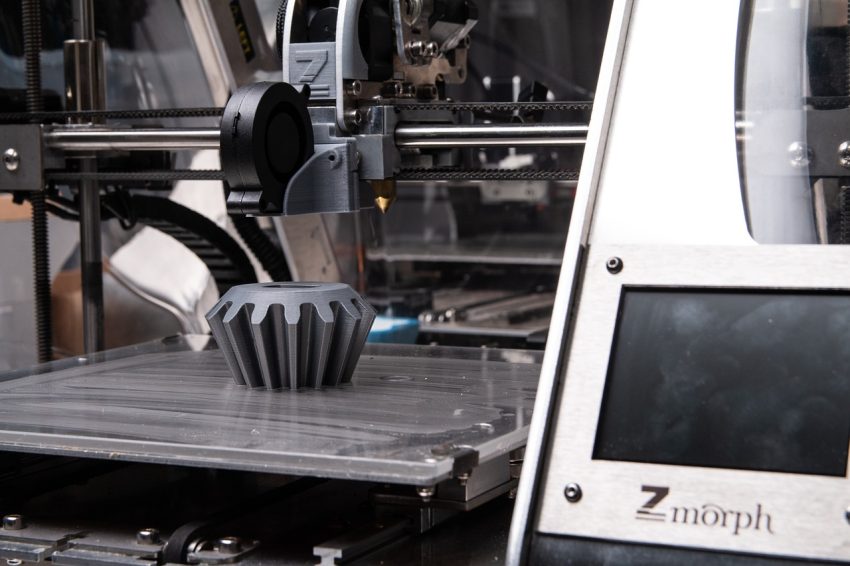
In recent years, the maker community has emerged as a driving force behind the rapid advancement and widespread adoption of 3D printing technology. This grassroots movement, characterized by individuals who design, build, and innovate, has intertwined itself with 3D printing in ways that are reshaping industries and democratizing manufacturing.
The Birth of a Movement
The maker movement, at its core, celebrates the spirit of DIY (do-it-yourself) culture. It encourages people to tinker, create, and share their inventions, often leveraging modern technologies to bring ideas to life. 3D printing, which allows for the creation of three-dimensional objects from digital models, naturally complements this ethos. Early adopters within the maker community recognized the potential of 3D printing to turn abstract concepts into tangible items, leading to its rapid integration into maker spaces worldwide.
Pioneering Innovation and Personalization
One of the most significant contributions of the maker community to 3D printing is the emphasis on innovation and customization. Unlike traditional manufacturing, which often focuses on mass production, makers use 3D printing to create bespoke items tailored to specific needs. This approach has led to unique solutions across various fields, from personalized medical devices to custom tools and artistic creations. The flexibility of 3D printing empowers makers to experiment without the constraints of conventional production methods.
Fostering Open-Source Collaboration
Collaboration lies at the heart of the maker ethos. Online platforms such as Thingiverse and Cults have become repositories where makers share their 3D designs freely, inviting others to download, modify, and improve upon them. This open-source approach accelerates innovation, as individuals build upon each other’s work, refining designs and expanding the possibilities of what can be achieved with 3D printing. As noted by i.materialise, “In this culture of collaboration, some people give their designs freely to the community, letting others improve and modify them, adding to the collective effort.”
Empowering Through Education
Education is another realm where the maker community’s influence on 3D printing is profoundly felt. Schools and libraries have established maker spaces equipped with 3D printers, providing students with hands-on learning experiences that foster creativity and critical thinking. These environments encourage learners to engage in the design process, transforming abstract concepts into physical models. As highlighted by Makers Empire, “A 3D printer in a makerspace actually helps students develop creative and critical thinking skills, design processes, collaborative dispositions, and innovative ideas.
Real-World Impact: A Case Study
The collaborative spirit of the maker community was notably demonstrated during the COVID-19 pandemic. As personal protective equipment (PPE) shortages became a critical issue, makers worldwide mobilized to produce face shields and other essential items using 3D printers. This grassroots effort provided immediate relief to healthcare workers and showcased the agility and responsiveness of the maker network. The Polsky Center for Entrepreneurship and Innovation reported, “Our desktop 3D printer became a valuable asset when we connected with people who were volunteering to assemble and distribute face shields.”
Navigating Challenges
Despite its many successes, the integration of 3D printing within the maker community is not without challenges. Intellectual property concerns arise when shared designs are used without proper attribution or for commercial gain. Additionally, health and safety considerations must be addressed, especially in educational settings where young learners are involved. Ensuring that 3D printing activities adhere to safety protocols is essential to prevent accidents and exposure to potentially harmful materials.
Looking Ahead: The Future of Making
The synergy between the maker community and 3D printing continues to evolve. Advances in materials and printing technologies are expanding the horizons of what makers can achieve. The concept of distributed manufacturing, where production is decentralized and localized, is gaining traction, offering the potential to reduce supply chain dependencies and promote sustainability. As the tools become more accessible and the community grows, the maker movement is poised to further democratize innovation, allowing anyone with a creative spark to bring their ideas to life.
In conclusion, the maker community’s embrace of 3D printing has not only propelled the technology forward but has also fostered a culture of collaboration, education, and innovation. This partnership is reshaping how we think about design and manufacturing, proving that with the right tools and a shared vision, the possibilities are limitless.

Sources
- Empowering the Public: The Future of Libraries, Makerspaces, and 3D Printer Projects
- 3D Printing in Makerspaces
- Democratizing 3D Printing: Building Inclusive Makerspaces with 3DPrinterOS
- 3D Printing and Maker Culture
- The 3D Printer Effect: How a Makers Community Was Born
- Maker Community Comes Together to 3D Print Personal Protective Equipment
- 4 Ways 3D Printing Drives the Maker Movement
- The 3D Printed Elephant in the Room
- 3D Printing in Makerspaces: Health and Safety Concerns
- Thingiverse – Wikipedia
- Distributed Manufacturing – Wikipedia
Disclaimer:
The views and opinions expressed in this post are solely those of the author. The information provided is based on personal research, experience, and understanding of the subject matter at the time of writing. Readers should consult relevant experts or authorities for specific guidance related to their unique situations.