
1,192 words, 6 minutes read time.

A newly discovered letter from Pontius Pilate to Emperor Tiberius provides profound insights into Jesus Christ’s life, his trial, and even his resurrection. This fascinating document reveals stunning details about Jesus’ physical appearance, character, and the events surrounding his crucifixion—details not found in the Bible.
Throughout history, Pontius Pilate is often remembered for his role in the trial and crucifixion of Jesus Christ. But what if there was more to his story—something that sheds light not only on the man he condemned but also on the spiritual and historical implications of those fateful events? A startling discovery has emerged that may just change how we view Pilate and his encounter with Jesus.
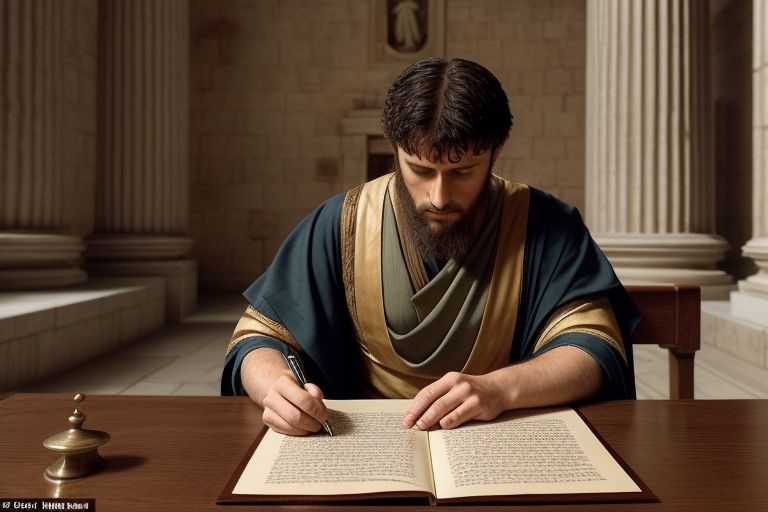
A letter, purportedly written by Pilate to Emperor Tiberius, offers a remarkably detailed account of Jesus Christ’s life, his miracles, his trial, and most notably, his resurrection. This letter, though not included in the canonical Bible, offers an intriguing perspective on the life of Jesus that goes beyond the gospel accounts.
This blog will delve into the contents of this letter, analyzing the physical description of Jesus, Pilate’s views on the events surrounding the crucifixion, and what it means for our understanding of the historical Jesus.
A Unique Account: Pilate’s Description of Jesus Christ
In the letter, Pilate provides a vivid description of Jesus Christ, one that is different from the general depictions found in the Bible. Pilate’s portrayal emphasizes not only Jesus’ divine qualities but also his striking physical appearance, which was rare and perhaps even remarkable for someone living in first-century Judea.
The letter describes Jesus as being of “somewhat tall and comely” stature, with a “very Reverend countenance.” The physical description goes into incredible detail, painting a picture of a man who appeared almost otherworldly. His hair, described as “chestnut full ripe,” cascades down to his shoulders in curls—a feature often associated with Nazarites. His face is described as “without spot or wrinkle,” with a complexion “beautified with a lovely red,” suggesting a serene and almost divine appearance.
This description is fascinating because, in the gospels, there is little focus on Jesus’ physical appearance. The letter suggests that his appearance was striking enough that Pilate felt it necessary to describe it in detail, perhaps for future generations to recognize Jesus’ significance.
The Crucifixion and Resurrection: Pilate’s Account
The letter does not merely describe Jesus’ physical appearance; it also recounts the events surrounding his crucifixion with startling detail. Pilate writes that at the moment of Jesus’ death, the world experienced an unnatural darkness—the sun was darkened, the stars shone brightly, and the moon appeared to turn to blood. This eerie description mirrors the gospel accounts of the crucifixion, where a great darkness fell over the land during Jesus’ death.
Pilate also describes an extraordinary event: “The dead that lay in their graves rose and appeared unto many.” This reference to the resurrection of the dead is a remarkable detail that closely parallels the gospel account of the resurrection of Jesus Christ and those who rose from the dead at his crucifixion.
This letter, therefore, not only offers a physical description of Jesus but also affirms the biblical narrative of the crucifixion and resurrection, giving historical weight to these extraordinary claims.
Pilate’s Struggle with Jesus’ Innocence
One of the most poignant elements of the letter is Pilate’s internal conflict over Jesus’ innocence. Pilate admits that he was reluctant to condemn Jesus to death. Despite the pressure from the religious authorities, Pilate found no fault in Jesus. “I asked him if he were a God and he answered ‘Thou sayest it, for I am the truth and the life.’
This statement reflects Pilate’s understanding that Jesus was claiming divinity. Yet, Pilate ultimately succumbed to the political pressures of the time. Pilate’s statement, “I hasten to take water and wash my hands of the blood of this just person,” has become iconic, symbolizing his attempt to absolve himself from the responsibility of Jesus’ death. But regardless of Pilate’s actions, the letter leaves us with a historical record that confirms Jesus’ life and divine claims.
The Impact of Pilate’s Letter
The letter is not just a personal account of Pilate’s thoughts; it serves as an important historical document that provides a unique perspective on the events of Jesus’ trial and crucifixion. This letter, whether fully authentic or a later historical addition, represents an early effort to document the life and impact of Jesus outside of the New Testament scriptures. Pilate’s detailed descriptions of Jesus’ actions, words, and appearance offer us a window into the Roman perspective on the most significant event in Christian history.
In addition to the letter, there is further archaeological evidence that strengthens the case for the historical existence of Pontius Pilate. The Pilate Stone, a limestone inscription discovered in Caesarea Maritima, provides physical proof of Pilate’s governance of Judea. This inscription is another vital piece of the puzzle, confirming Pilate’s role in the crucifixion and further solidifying the historical basis for the events described in the gospels.
Pilate’s Letter and the Legacy of Jesus Christ
Pilate’s letter not only gives us a deeper understanding of Jesus Christ but also highlights the complexity of Pilate as a historical figure. His reluctance to condemn an innocent man and the strange cosmic phenomena that accompanied Jesus’ death suggest that Pilate himself may have been moved by the significance of the events unfolding before him. Whether he truly understood the full scope of Jesus’ divine nature or not, Pilate’s letter serves as a testament to the profound impact that Jesus Christ had on the world—even from a Roman perspective.
While the authenticity of this letter remains uncertain, it undeniably provides a glimpse into how people in the ancient world viewed Jesus Christ, his appearance, and his profound impact on history. It reinforces the gospel narrative, offers unique insights into the physical description of Jesus, and gives us a historical record of Jesus’ life that complements the biblical accounts.
