
910 words, 5 minutes read time.
In the world of 3D printing, choosing the right filament can be the difference between a successful project and a frustrating failure. Whether you’re a hobbyist just getting started or a seasoned professional looking to expand your materials knowledge, understanding the properties and uses of different filaments is key. This guide will dive into the most common 3D printing materials, their characteristics, and how to select the right one for your needs.
1. What Are 3D Printing Filaments?
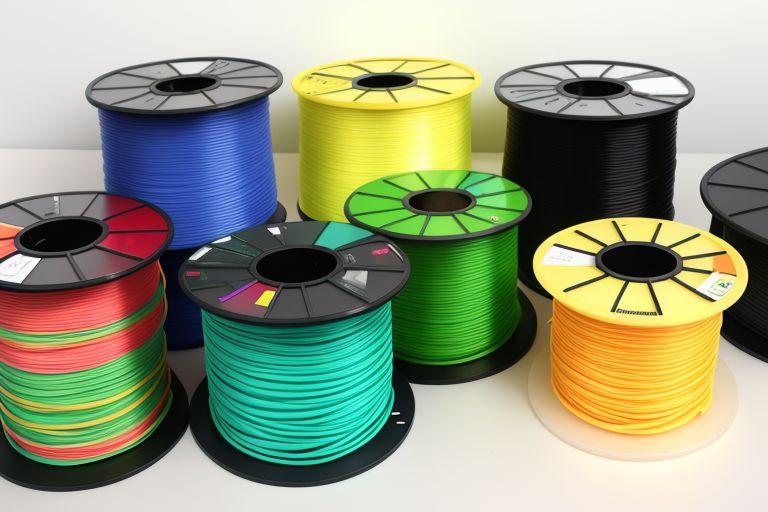
Before we start comparing different types of filaments, it’s important to understand exactly what 3D printing filaments are. Filament is the material used by 3D printers to create objects layer by layer. Think of it as the “ink” for a 3D printer—except instead of liquid, it’s a solid strand that melts when heated. Filaments come in various materials, each with unique properties, so understanding their differences can help you choose the perfect material for your project.
2. Popular 3D Printing Filaments
a) PLA (Polylactic Acid)
PLA is the most common and beginner-friendly 3D printing material. It’s made from renewable resources like corn starch or sugarcane, making it biodegradable and more eco-friendly than many other plastics. PLA is known for being easy to print with and comes in a wide variety of colors. However, it is not as durable or heat-resistant as some other materials.
Use Cases:
- Prototyping
- Toys
- Decorative items
b) ABS (Acrylonitrile Butadiene Styrene)
ABS is a stronger and more durable filament compared to PLA, with higher heat resistance. It can be more challenging to print with, as it requires higher temperatures and can warp if not printed on a heated bed. However, it’s a go-to material for parts that need to withstand wear and tear.
Use Cases:
- Automotive parts
- Household items
- Durable prototypes
c) PETG (Polyethylene Terephthalate Glycol)
PETG is known for its combination of durability and flexibility, making it an excellent choice for prints that need to be both tough and flexible. It has a slightly glossy finish and offers good impact resistance, making it ideal for outdoor applications or functional parts that require some degree of movement.
Use Cases:
- Food containers
- Functional parts
- Mechanical components
d) TPU (Thermoplastic Polyurethane)
TPU is a flexible filament, which makes it the best choice for printing soft, rubber-like materials. It’s used for projects where flexibility and impact resistance are critical. It’s a bit harder to print with due to its elasticity, but it’s perfect for applications like phone cases or wearable items.
Use Cases:
- Phone cases
- Gaskets
- Flexible parts
e) Nylon
Nylon is one of the most durable 3D printing materials available, known for its strength, flexibility, and high resistance to wear. However, it’s hygroscopic, meaning it absorbs moisture, which can affect print quality, so it requires special care in storage.
Use Cases:
- High-performance parts
- Mechanical components
- Tools and accessories
f) Metal Filaments
For advanced 3D printing, metal filaments are an excellent choice, though they tend to require high-end 3D printers. These filaments are often made by blending metal powders with a binding agent, allowing the printed object to look and feel like metal once sintered or cured.
Use Cases:
- Jewelry
- Industrial parts
- Artistic sculptures
3. Choosing the Right Filament for Your Project
Selecting the best filament depends on several factors:
a) Project Purpose
If your goal is to create a decorative piece, PLA might be your best option due to its ease of use and wide range of colors. However, if you need a durable part that can withstand heat or mechanical stress, you might want to go with ABS or Nylon.
b) Printer Compatibility
Make sure that your 3D printer is capable of handling the filament you’ve chosen. Some filaments require higher temperatures or special print bed setups. Always check the recommended temperature settings for your printer before starting a project.
c) Environmental Factors
Consider where the printed object will be used. Will it be exposed to high temperatures, moisture, or sunlight? Filaments like PETG or Nylon are ideal for outdoor use, while PLA is better suited for indoor, decorative prints.
4. Filament Cost vs. Performance
Cost is always a factor when selecting filament. While PLA is usually cheaper, it might not provide the same durability as ABS or Nylon. On the other hand, more specialized materials, such as metal or carbon fiber filaments, can get quite expensive but are invaluable for specific applications.
5. Eco-Friendly Filament Options
As sustainability becomes more important in manufacturing and production, many 3D printing enthusiasts are looking for eco-friendly filament options. PLA is a biodegradable material, and there are also filaments made from recycled plastics. These materials are perfect for those looking to minimize their environmental impact.
6. Tips for Better Prints with Different Filaments
- PLA: Use a heated bed for better adhesion and avoid over-heating, as PLA can get too soft.
- ABS: Print in an enclosed environment to reduce warping.
- PETG: Print with a higher nozzle temperature and ensure your bed is clean to avoid print defects.
- TPU: Slow down the print speed to allow for better precision and accuracy.
- Nylon: Store in a dry environment to avoid moisture absorption.
Conclusion
Selecting the right filament for your 3D printing project is crucial for ensuring high-quality, durable prints. With a variety of materials to choose from—each suited for different needs—understanding your project requirements and printer capabilities will help you make an informed choice. Whether you’re printing a decorative object or a functional prototype, there’s a filament for every application.
