

3,068 words, 16 minutes read time.
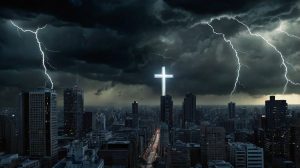
In today’s world, it seems like we’re constantly bombarded with conflicting information. From misleading headlines to false religious leaders, the truth feels harder to find than ever. But what if this confusion isn’t just a modern phenomenon? What if it’s actually a sign of something bigger—something that Jesus warned us about two thousand years ago?
When discussing the end times, people often think of cataclysmic events like earthquakes, famines, or wars. But according to Jesus, the most dangerous and prevalent sign is far more subtle: deception. In fact, deception is the most repeated sign that Jesus spoke about when He warned His disciples about the last days. This blog will delve into why deception is such a critical issue in the end times, how it manifests in our world today, and what we can do to protect ourselves from falling into its trap.
The Olivet Discourse and Jesus’ Emphasis on Deception
One of the clearest places where Jesus talks about the signs of the end times is in what is known as the Olivet Discourse, found in Matthew 24, Mark 13, and Luke 21. The disciples came to Jesus and asked Him about the future, specifically the destruction of the temple and the signs that would signal the end of the age.
Jesus begins His response in Matthew 24:4-5 by saying, “Take heed that no one deceives you. For many will come in My name, saying, ‘I am the Christ,’ and will deceive many.” Interestingly, before He mentions any physical calamities, wars, or disasters, He first warns His followers about deception. This speaks volumes about the gravity of this particular sign.
In fact, throughout the discourse, Jesus continues to repeat this warning. In Matthew 24:24, He says, “For false Christs and false prophets will rise and show great signs and wonders to deceive, if possible, even the elect.” This repetition underscores the fact that deception will be pervasive and convincing. It will not be limited to obvious falsehoods but will involve deceptive teachings, false leaders, and even miraculous signs that lead people astray.
Why Deception Will Be So Rampant in the End Times
Understanding why deception will be so widespread during the end times requires us to look at human nature and the spiritual dynamics at play. Deception works best when it plays on our fears, desires, and weaknesses. As the world becomes more chaotic, with wars, natural disasters, and societal breakdowns, people will be looking for hope, answers, and security. This vulnerability creates fertile ground for deception to thrive.
Psychological Vulnerability in Times of Crisis
In times of crisis, human beings are naturally more susceptible to deception. When people are desperate for hope or stability, they become more willing to believe in something that promises to solve their problems, even if it’s not based in truth. False prophets, charismatic leaders, and political figures will capitalize on this desperation by offering seemingly perfect solutions to the chaos.
Consider how, in the wake of global crises like the COVID-19 pandemic, misinformation spread like wildfire. People were bombarded with conflicting information about the virus, its origins, and treatments. As a result, many people gravitated toward conspiracy theories or false narratives because they offered simple explanations in a confusing time. This phenomenon is just a small glimpse of how deception can take root when people are searching for answers in a world that seems to be falling apart.
Spiritual Deception: False Prophets and Messiahs
The Bible repeatedly warns about false prophets and false messiahs as a hallmark of the end times. Jesus explicitly states that “many will come in My name, saying, ‘I am the Christ,’ and will deceive many” (Matthew 24:5). These false religious leaders will present themselves as messianic figures, promising salvation or divine insight, but their teachings will lead people away from the truth.
Throughout history, we’ve seen numerous individuals claim to be the “chosen one” or some form of a messiah, but in the end, their teachings have proven to be false. However, the level of deception in the end times will be on a whole new level. False prophets in the last days will not only deceive through persuasive words but will also perform “great signs and wonders” (Matthew 24:24). These miracles will be so convincing that even believers—the “elect”—could be led astray if they’re not vigilant.
This level of spiritual deception could involve people who claim divine authority, perform miracles, and appear to offer peace, but they do so with hidden agendas that ultimately lead people away from the true Gospel of Christ.
Political and Social Deception
In addition to religious deception, the Bible also speaks of political deception. In Revelation 13, we are introduced to the figure of the Antichrist, a charismatic leader who will rise to power during the end times. The Antichrist will deceive the nations, gaining followers through false promises of peace and unity. He will present himself as a savior-like figure, but his true intentions will be to lead people away from God and into destruction.
In the context of political deception, it’s important to recognize that people are often swayed by leaders who promise stability in times of chaos. When societies are crumbling, and fear dominates, it becomes easier for a powerful leader to emerge and deceive the masses with false promises. Historically, we’ve seen this happen when totalitarian regimes rise to power during times of economic collapse or social unrest.
In today’s political climate, where distrust in institutions and leadership is growing, it’s not hard to imagine how a political figure could manipulate people’s fears to gain control. This political deception will be intertwined with spiritual deception, as the Antichrist will demand not only political allegiance but also religious worship (Revelation 13:15).
Technological Deception in the Digital Age
In addition to religious and political deception, technology itself will play a significant role in the deception of the end times. As the world becomes increasingly interconnected through digital platforms, the lines between truth and falsehood become blurred. We live in an age where information can be manipulated in seconds through deepfakes, AI, and social media algorithms designed to amplify certain narratives while suppressing others.
This digital manipulation makes it easier than ever for deceptive figures to spread their influence on a global scale. The internet has already shown us how quickly misinformation can go viral, leading millions to believe in false narratives. In the end times, this technology will likely be used by deceptive forces to create convincing illusions and spread falsehoods that align with their agendas.
Revelation 13:13-14 describes how the second beast (the False Prophet) will perform miraculous signs, even calling down fire from heaven, to deceive people into worshiping the first beast (the Antichrist). In the digital age, it’s not difficult to imagine how advanced technology could be used to create illusions and signs that deceive the masses, blurring the lines between what is real and what is not.
The Role of Discernment in the End Times
With deception running rampant, the need for discernment becomes more critical than ever. Jesus’ repeated warnings about deception were not just a message for His disciples two thousand years ago; they are warnings for us today. As followers of Christ, we are called to be vigilant and discerning, ensuring that we are not led astray by false teachings or misleading signs.
Staying Grounded in Scripture
One of the most effective ways to guard against deception is by staying rooted in the Word of God. The Bible provides a solid foundation for discerning truth from falsehood. Jesus Himself used scripture to counter the lies and temptations of Satan (Matthew 4:1-11), demonstrating the power of knowing God’s Word.
By immersing ourselves in scripture, we equip ourselves with the tools necessary to recognize false teachings and deceptive ideologies. As Paul wrote in 2 Timothy 3:16-17, “All Scripture is God-breathed and is useful for teaching, rebuking, correcting and training in righteousness, so that the servant of God may be thoroughly equipped for every good work.” Knowing the Bible allows us to test the spirits and teachings that we encounter, ensuring they align with the truth.
Developing a Strong Prayer Life
Prayer is another vital aspect of spiritual discernment. James 1:5 tells us that if we lack wisdom, we should ask God, who gives generously to all without finding fault. When we encounter confusing or deceptive teachings, prayer should be our first line of defense. By seeking God’s guidance, we open ourselves to His wisdom and insight, allowing the Holy Spirit to guide us into all truth.
Being Part of a Faithful Community
In addition to scripture and prayer, being part of a faithful Christian community is essential in guarding against deception. Isolation makes us more vulnerable to false teachings, but when we are surrounded by like-minded believers, we can hold one another accountable and encourage each other to stay on the path of truth. Hebrews 10:25 emphasizes the importance of gathering together, especially as we see “the Day approaching.”
Testing the Spirits
In 1 John 4:1, we are instructed to “test the spirits to see whether they are from God, because many false prophets have gone out into the world.” This involves evaluating any message or teaching against the truth of God’s Word. If a teaching contradicts scripture, it is likely a form of deception. We should also be cautious of any movement, teaching, or figure that claims to have “new” or “exclusive” revelations that go beyond the Bible.
Conclusion: Preparing for the Battle Against Deception
As we look at the signs of the times, it’s clear that deception is already playing a significantAs we continue to explore the significance of deception in the end times, it’s essential to grasp how this theme resonates deeply with the world we live in today. From false teachings infiltrating religious circles to the rise of sophisticated technological manipulation, the prevalence of deception is undeniable. Let’s build on what we’ve already covered and further examine how to safeguard ourselves spiritually and practically in a world increasingly plagued by misinformation and deceit.
The Spiritual Battle Behind Deception
At the heart of deception lies a spiritual battle. Ephesians 6:12 reminds us, “For we do not wrestle against flesh and blood, but against principalities, against powers, against the rulers of the darkness of this age, against spiritual hosts of wickedness in the heavenly places.” Deception is not merely a human problem but one rooted in the spiritual realm, where dark forces seek to distort God’s truth.
Satan, known as the “father of lies” (John 8:44), uses deception as his primary weapon. His goal is to lead people away from God, distorting the truth just enough to confuse, mislead, and eventually destroy. From the Garden of Eden, where he deceived Eve by twisting God’s words (Genesis 3), to the end times, where he will work through false prophets and the Antichrist, Satan’s strategy remains consistent: disguise lies as truth.
Modern Manifestations of Deception: New Age Movements and Cults
One of the most prevalent forms of modern deception comes in the form of New Age spirituality and cults. These movements often borrow elements from Christian teachings but distort them to suit their purposes. The rise of mysticism, astrology, and self-deification ideologies appeals to individuals searching for deeper meaning but leads them down a path far from the biblical truth.
Many New Age teachings promote the idea that individuals can achieve god-like status through enlightenment or self-realization. While these ideas may sound empowering, they directly oppose the Christian understanding of humanity’s dependence on God. In essence, they are a modern re-packaging of Satan’s original deception in the Garden of Eden, where he told Eve, “You will be like God” (Genesis 3:5).
Similarly, cults often exploit people’s vulnerabilities by offering a sense of belonging, purpose, or special knowledge. The danger lies in their ability to blend truth with falsehood, often using Christian language to manipulate followers. Cult leaders claim to have divine authority or exclusive access to spiritual truth, leading their followers astray.
How False Teachings Distort Scripture
False teachings, often referred to as heresies, represent one of the most dangerous forms of deception. These teachings are deceptive because they are often cloaked in half-truths. They may take legitimate biblical principles but stretch or distort them to the point of falsehood.
For instance, the prosperity gospel is a modern-day teaching that promises health, wealth, and success for those who have enough faith or give generously to a specific ministry. While the Bible does speak about God blessing His people (Philippians 4:19), this teaching twists scripture to suggest that material wealth is guaranteed for believers, ignoring passages that speak to the reality of suffering and hardship (John 16:33).
Another example is the distortion of the grace of God in the form of antinomianism, the belief that Christians are not bound by any moral law. Proponents of this idea argue that because we are saved by grace, we no longer need to follow God’s commandments. However, this ignores the balance scripture offers between grace and obedience (Romans 6:1-2).
Combating Deception in Everyday Life
While spiritual preparedness is vital, we also need to cultivate discernment in our everyday lives. Deception isn’t just limited to religious contexts; it infiltrates our media, politics, relationships, and even our personal decision-making. To guard against it, we need both spiritual and practical strategies.
Critical Thinking and Media Literacy
One of the biggest challenges in the digital age is the proliferation of misinformation and disinformation. With the rise of the internet and social media, anyone can create content and spread it across the globe within minutes. This has led to the spread of false narratives, conspiracy theories, and propaganda that can deceive large groups of people.
To combat this, it’s essential to develop media literacy and critical thinking skills. This means learning how to evaluate sources, fact-check information, and approach news with a healthy degree of skepticism. Jesus’ call to “be wise as serpents and harmless as doves” (Matthew 10:16) applies here; we must be discerning and thoughtful consumers of information.
Guarding Your Mind Against Negative Influences
Philippians 4:8 offers a guideline for what we should focus our minds on: “Whatever is true, whatever is noble, whatever is right, whatever is pure, whatever is lovely, whatever is admirable—if anything is excellent or praiseworthy—think about such things.” This principle is critical in a world full of distractions and temptations that can lead us astray.
Deceptive content isn’t always about obvious lies. Often, it’s more about what pulls your focus away from the things of God. Movies, television, music, and social media can sometimes glorify violence, immorality, or materialism. These subtle influences shape how we think and can desensitize us to the truth.
The Role of the Church in Safeguarding Against Deception
The Church plays a critical role in helping believers remain steadfast against deception. As a body of believers, the Church is meant to provide teaching, fellowship, and accountability. In the face of widespread deception, a faithful church that is grounded in sound doctrine becomes a refuge.
The Importance of Sound Doctrine
One of the ways the Church combats deception is by teaching sound doctrine. In 2 Timothy 4:3-4, Paul warns that “the time will come when people will not endure sound doctrine, but according to their own desires, because they have itching ears, they will heap up for themselves teachers; and they will turn their ears away from the truth, and be turned aside to fables.”
Sound doctrine is teaching that aligns with the core truths of the Bible. It provides a solid foundation, allowing believers to recognize and reject teachings that deviate from the truth. Churches must prioritize biblically accurate teaching that doesn’t cater to trends or personal preferences but remains faithful to the Word of God.
Accountability and Fellowship
Accountability within the Church is another powerful tool in guarding against deception. When believers are in community with one another, they have the opportunity to encourage and correct each other. Hebrews 3:13 urges believers to “encourage one another daily, as long as it is called ‘Today,’ so that none of you may be hardened by sin’s deceitfulness.”
Fellowship with other believers provides a context for spiritual growth, accountability, and mutual support. When we isolate ourselves, we become more vulnerable to deception because we lack the benefit of others’ perspectives. Being part of a church community helps us stay aligned with the truth by surrounding us with people who can offer encouragement, wisdom, and correction.
Preparing for What’s to Come
As we near the conclusion of this exploration into deception, it becomes clear that Jesus’ warning about the end times is both timely and relevant. Deception is not just an abstract threat; it’s a reality that impacts every facet of life—spiritual, political, and social. Jesus’ repeated emphasis on this issue indicates that as we approach the end of the age, deception will only grow more intense.
Keeping an Eternal Perspective
One of the most important ways to combat deception is to maintain an eternal perspective. In Matthew 6:33, Jesus urges us to “seek first the kingdom of God and His righteousness, and all these things shall be added to you.” When we prioritize God’s kingdom and keep our focus on eternal matters, we are less likely to be swayed by the temporary, deceptive promises of this world.
In the face of false prophets, political manipulation, and technological deception, we must hold fast to the hope we have in Christ. Our citizenship is in heaven (Philippians 3:20), and no matter how chaotic or deceptive the world becomes, our ultimate allegiance is to Jesus, the Way, the Truth, and the Life (John 14:6).
Conclusion: Standing Firm in the Midst of Deception
The end times will be marked by unprecedented levels of deception, as Jesus warned in the Olivet Discourse. False prophets, religious distortions, political manipulation, and technological deception will all contribute to a world where truth becomes increasingly difficult to discern. However, for those who remain rooted in God’s Word, grounded in prayer, and part of a faithful community, the truth will remain clear.
Deception will continue to grow, but so will the faith of those who stand firm in Christ. The key is to be vigilant, discerning, and always grounded in the truth of God’s Word. By doing so, we not only protect ourselves but also become beacons of truth in a world desperately in need of it.
