
1,179 words, 6 minutes read time.
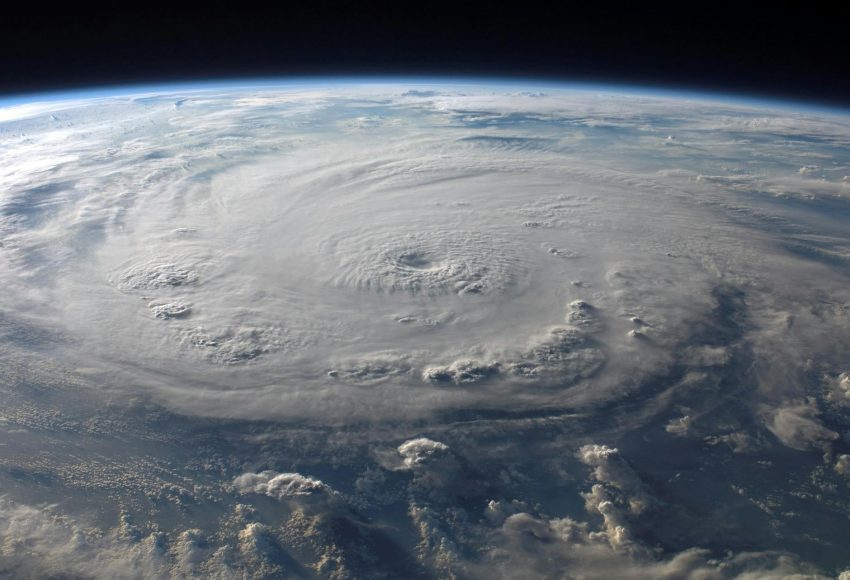
As Hurricane Milton approaches Florida and communities continue to recover from the devastation of Hurricane Helene, scammers are ramping up their efforts to exploit the chaos. Disasters bring out the best in people—acts of kindness, donations, and volunteerism—but unfortunately, they also bring out the worst in criminals who see an opportunity to scam well-meaning individuals and vulnerable victims. It’s crucial to be aware of the growing trend of disaster-related fraud, as cybercriminals use social engineering tactics to prey on both victims of these natural disasters and those offering financial help.
The Anatomy of a Disaster Relief Scam
Whenever a disaster strikes, cybercriminals act quickly, crafting convincing charity scams to siphon off donations and steal personal information. These scams are not new, but the internet has made it easier than ever for scammers to appear legitimate.
The U.S. Cybersecurity and Infrastructure Security Agency (CISA) recently issued a stark warning, reminding people that scammers leverage social engineering techniques to exploit the generosity of citizens and the vulnerability of those affected by disasters. This warning comes as Category 3 Hurricane Milton is set to make landfall in Florida, following the widespread destruction of Hurricane Helene just days earlier.
So, what do these scams typically look like? Fraudsters will often:
- Pose as legitimate charities: Scammers create fake websites and social media profiles that look like real disaster relief organizations. These sites are almost indistinguishable from the legitimate ones, complete with logos, testimonials, and fake reviews.
- Send out phishing emails: Using disaster-related subject lines, these emails will encourage recipients to click on links or attachments, which could lead to malware infections or attempts to steal financial data.
- Use emotional manipulation: Scammers prey on people’s natural instinct to help in times of need. They may create a sense of urgency, guilt-tripping potential donors into giving quickly without thinking.
- Pretend to be government representatives: Victims of disasters, already disoriented by the event, may receive messages or calls from scammers posing as representatives from FEMA, the Red Cross, or local government agencies, offering fraudulent relief services in exchange for personal information.
Phishing and Social Engineering: The Biggest Threats After a Storm
According to CISA, one of the most dangerous tactics used in the wake of disasters like Hurricane Helene and Milton is social engineering—tricking individuals into divulging personal or financial information. These attacks often arrive in the form of emails or text messages containing links to supposed disaster relief updates, urgent repair offers, or government assistance forms. These phishing attacks are designed to look legitimate, but in reality, they are just ways to steal sensitive information.
Once criminals gain access to this data, they can commit identity theft, empty bank accounts, or create financial chaos for already vulnerable victims. It’s important to recognize that legitimate agencies like FEMA or local governments will never ask for personal information or payments over email, phone, or text message.
Red Flags to Watch Out For:
- Emails asking for donations with urgent language
- Hyperlinks that lead to suspicious websites or forms
- Social media posts or messages from unknown sources
- Text messages that claim to be from relief organizations asking for personal details
- People who show up at your door offering services without proper identification
- Robocalls or caller ID spoofing that pretends to be from disaster relief organizations
Real Victims, Real Losses
Unfortunately, these scams aren’t just theoretical. There have been numerous reports of fraud in the wake of Hurricane Helene. According to CISA and other federal agencies like the Federal Trade Commission (FTC), scammers are using this moment of vulnerability to deceive people.
The disaster relief community has also been on high alert. Tim Western, a software engineer, warned on social media about rumors of scammers posing as federal agents. “There are rumors going around about scammers posing as federal or state level Emergency Management or other agents trying to scam people who are donating and those who are harmed by Hurricane Helene. Question everything, folks,” he advised.
These scams affect both donors and victims. Someone thinking they’re contributing to a legitimate relief fund might be unknowingly handing their money over to criminals. Meanwhile, those affected by the storm are often targeted by scam artists who promise clean-up services, repairs, or even financial relief.
How to Protect Yourself from Disaster Scams
To protect yourself from falling victim to these heartless schemes, follow these simple steps:
- Verify the charity: Before donating, always verify the organization’s legitimacy. This can be done by directly visiting their website or using trusted sources like Charity Navigator or GuideStar. Don’t trust links in unsolicited emails or social media posts. Type the charity’s URL directly into your browser.
- Never donate via wire transfer or gift card: Criminals favor untraceable payment methods like wire transfers, gift cards, or cryptocurrency because it’s nearly impossible to recover money once it’s been sent. Instead, use a credit card or check, so you have a record of the transaction and can dispute it if necessary.
- Look out for phishing emails and social media posts: Emails with disaster-related subject lines or social media posts soliciting donations—even from people you know—can be part of a scam. Always scrutinize the sender and the content before clicking on any links or sharing personal information.
- Beware of door-to-door solicitors and robocalls: After a disaster, scammers may go door-to-door offering repair services or disaster assistance. They may also use robocalls to impersonate government agencies. Always ask for proper identification, and if something feels off, trust your instincts. Don’t provide any information or make payments without verifying the legitimacy of the service provider.
- Consult trusted sources for hurricane-related guidance: Whether it’s evacuation information, relief efforts, or disaster assistance, always get your information from local authorities, FEMA, or the Department of Homeland Security (DOH). Avoid relying on social media posts or unsolicited emails.
Protecting the Vulnerable: What to Do If You’re Scammed
If you or someone you know falls victim to a disaster relief scam, it’s important to take immediate action. Report the fraud to the FTC at their official website (FTC.gov). You can also alert the FBI’s Internet Crime Complaint Center (IC3) if you’ve fallen prey to an online scam.
Additionally, if personal information has been compromised, it’s wise to contact your bank or credit card provider to dispute any charges and potentially freeze your accounts. You can also monitor your credit report for any unusual activity and place a fraud alert or credit freeze through major credit bureaus like Equifax, Experian, and TransUnion.
Final Thoughts
Hurricane Helene has left behind a trail of destruction, and Hurricane Milton threatens to do the same. While communities work together to rebuild, it’s disheartening to know that some people will take advantage of such situations for personal gain. By staying vigilant, questioning any unsolicited requests for donations or personal information, and relying on trusted sources, you can protect yourself from becoming a victim of these scams.
Natural disasters bring enough hardship without the added risk of being scammed. Be cautious, protect your finances, and stay informed.
Hat tip to Stefanie Schappert for this great article at CyberNews.
