
963 words, 5 minutes read time
Amateur radio, often affectionately referred to as “ham radio,” has long been a niche hobby dominated by older enthusiasts. However, as technology evolves and new communication methods emerge, the challenge now lies in sparking interest among younger generations. With the right approach, we can reinvigorate this fascinating hobby and make it appealing to youth. Whether it’s through hands-on activities, community involvement, or integrating modern technology, there are plenty of strategies to engage young people in the world of amateur radio.
In the recent YouTube video featuring a fundraising event for a Teachers’ Institute, key insights were shared about engaging students and fostering interest in amateur radio. This initiative raised vital funds and highlighted the innovative approaches educators are using to attract young minds to the field of radio communications. Let’s dive into some effective strategies to inspire the next generation of amateur radio operators!
1. Hands-On Learning Experiences
One of the most effective ways to engage young people in amateur radio is through hands-on learning experiences. Workshops and demonstrations that allow them to operate radios, build antennas, or even participate in contests can ignite their interest. For instance, organizing a radio camp where kids can learn about radio waves, build their equipment, and even communicate with other campers fosters a sense of accomplishment and excitement.
By providing opportunities for practical application, students can see the relevance of amateur radio in today’s tech-savvy world. This approach not only makes the learning process fun but also demystifies the technology, allowing youth to explore and experiment freely.
2. Incorporate Modern Technology
Younger generations are digital natives, so incorporating modern technology into amateur radio is crucial. Highlighting the integration of digital modes like DMR (Digital Mobile Radio), FT8, or even remote operation using software can capture their interest. Create projects that combine ham radio with smartphones, tablets, or computers to appeal to their tech-savvy nature.
For example, setting up a Raspberry Pi with software-defined radio (SDR) can be a fun project for young enthusiasts. They can experiment with different frequencies, decode signals, and even explore the concept of remote station access. These contemporary elements show that amateur radio isn’t just about vintage equipment; it’s about innovation and adaptability.
3. Encourage Community Involvement
Building a community around amateur radio is vital to retaining interest among younger enthusiasts. Youth-oriented clubs or local ham radio groups can provide a welcoming environment where they can meet peers and learn together. Consider organizing events where young people can interact with experienced operators. This mentorship can help them gain confidence and feel more connected to the hobby.
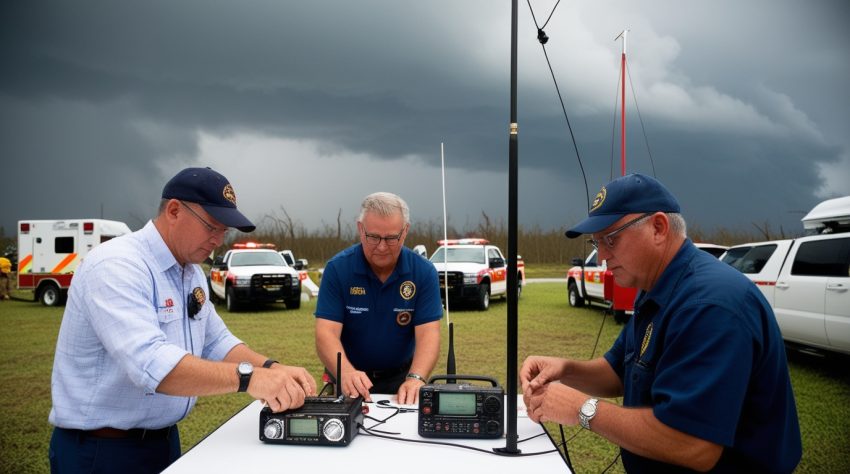
Involving them in community service projects, like emergency communications during disasters or public service events, can also demonstrate the real-world applications of amateur radio. This not only builds skills but also fosters a sense of responsibility and pride in contributing to the community.
4. Gamify the Learning Process
Younger people thrive on competition and challenges, so why not gamify the learning process? Setting up contests or challenges within amateur radio can stimulate interest and encourage participation. For example, creating a “Fox Hunt” (radio direction finding) event where participants use their skills to locate hidden transmitters can be an exhilarating experience.
Additionally, developing a points system for achieving various milestones in amateur radio—like obtaining licenses, making contacts, or building equipment—can motivate them to engage further. This sense of achievement can inspire them to explore more within the hobby.
5. Utilize Social Media and Online Platforms
Younger generations are more likely to engage with hobbies they discover online. Leveraging social media platforms like Instagram, TikTok, and YouTube can significantly enhance outreach efforts. Create engaging content showcasing amateur radio operations, interesting contacts, or even humorous takes on ham radio life to attract attention.
Engaging with existing communities online, such as Facebook groups or Reddit forums, can also help build interest. Hosting live-streamed Q&A sessions, tutorials, or virtual meetups can provide valuable connections and insights, making amateur radio more accessible and appealing.
6. Collaborate with Schools and Educational Programs
To foster interest in amateur radio among youth, collaboration with schools is essential. By partnering with local educational institutions, ham radio operators can introduce programs that align with science, technology, engineering, and mathematics (STEM) curricula. Offering workshops, demonstrations, or after-school programs can provide students with exposure to radio communication and its applications.
Participating in events like STEM fairs or career days can also help promote amateur radio as a potential career or hobby. Showcasing how skills learned through amateur radio—like problem-solving, teamwork, and technical knowledge—can be beneficial in various fields may encourage students to pursue the hobby further.
7. Highlight the Benefits of Licensure
Obtaining an amateur radio license opens up a world of possibilities, but many young people may not be aware of the advantages. By highlighting the benefits of being licensed—such as the ability to communicate globally, participate in emergency services, and connect with people from diverse backgrounds—you can attract more youth to the hobby.
Organizing license study groups or providing resources for study materials can also encourage students to pursue their licenses. Share success stories of young operators making meaningful contacts or participating in exciting events to illustrate the potential of being part of the amateur radio community.
Conclusion
Getting younger people interested in amateur radio requires creativity, enthusiasm, and a willingness to adapt to their preferences. By focusing on hands-on experiences, incorporating modern technology, fostering community, and utilizing online platforms, we can create a vibrant environment that inspires the next generation of amateur radio operators.
Through initiatives like the recent fundraising event highlighted in the YouTube video, we see that the future of amateur radio can be bright. As educators, mentors, and enthusiasts, let’s work together to nurture young minds and pass on the torch of this incredible hobby.
