
1,153 words, 6 minutes read time.
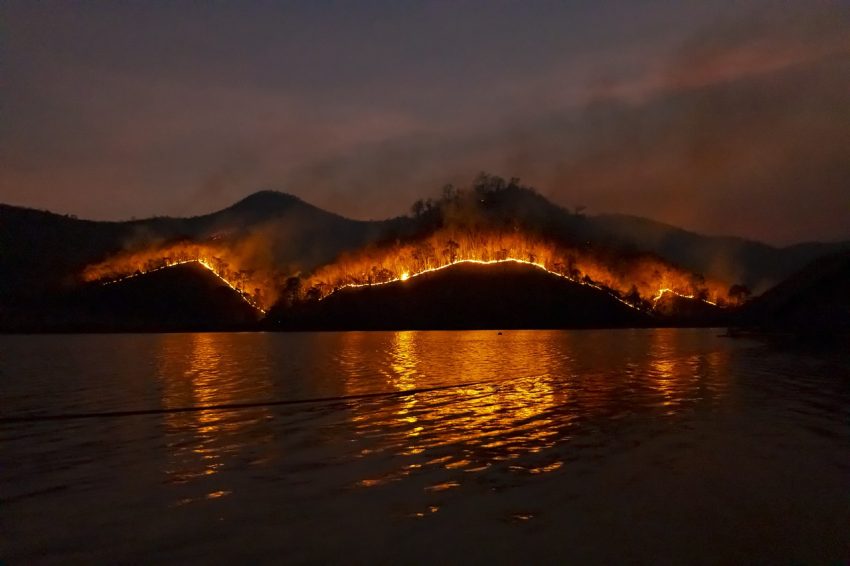
Image by sippakorn yamkasikorn from Pixabay
In today’s world, we often take communication for granted. With smartphones and the internet at our fingertips, staying connected seems effortless—until it isn’t. Recent events, like the devastating wildfires that tore through the Hawaiian island of Maui, have highlighted just how fragile our communication networks can be in the face of disaster. When traditional communication systems fail, we’re left scrambling. That’s where amateur radio, or ham radio, comes in—playing a vital role in disaster preparedness and response.
The wildfires on Maui, fueled by powerful winds from Hurricane Dora, left vast destruction in their wake. The town of Lāhainā was particularly hard hit, with much of it reduced to ashes. Beyond the physical devastation, the fires exposed glaring vulnerabilities in emergency preparedness, especially in communication systems. But amid this chaos, ham radio operators stepped in, keeping communication lines open when all else failed.
The Crucial Role of Ham Radio in Disasters
Ham radio has long been a key player in disaster preparedness. Unlike cell phones and the internet, ham radio doesn’t rely on centralized networks, fiber optic cables, or cell towers—all of which can be easily compromised in natural disasters. Instead, ham radios operate on a decentralized system, using radio waves that don’t depend on internet infrastructure.
In the case of the Maui fires, local ham radio operators played a pivotal role in maintaining communication when fiber optic cables burned and phone lines went down. The National Association for Amateur Radio (ARRL) and the Hawaii Amateur Radio Emergency Service (Hawaii ARES) were instrumental in coordinating efforts to keep vital communication open during the disaster.
When traditional infrastructure failed, amateur radio became a lifeline, connecting communities, first responders, and emergency services. Ham radio operators, often volunteers, jumped into action to provide crucial communication support, showcasing their adaptability and expertise in crisis situations.
Maui’s Communication Breakdown: A Real-World Example
The wildfires in Maui offer a clear example of how disaster can bring modern communication systems to a screeching halt. The fires not only ravaged physical infrastructure but also crippled phone and internet services. For many residents and emergency responders, this meant losing access to essential information about the scope of the disaster, evacuation routes, and relief efforts.
In times like these, ham radio becomes invaluable. Maui’s extensive amateur radio repeater system, including the KH6COM VHF/UHF countywide system, was a critical component of the emergency response. While some repeaters were knocked offline due to damaged fiber optics, others remained operational, allowing for continued communication. One of the most important repeaters during the fires was the Pu’u O Hoku Ranch repeater on Molokai’s east end, which provided a vital link for those in the Lāhainā area.
This real-world scenario underscores the importance of alternative communication systems that can function independently of traditional networks. In disaster situations, having the ability to communicate can literally mean the difference between life and death.
Lessons from Maui: Why Preparedness Is Critical
If there’s one takeaway from the Maui wildfires, it’s that disaster preparedness is not just a buzzword—it’s an absolute necessity. And part of being prepared is having reliable, alternative communication systems in place. The events in Maui serve as a stark reminder that we can’t always count on cell towers, the internet, or even government officials to be fully prepared when disaster strikes.
Ham radio’s strength lies in its ability to operate independently of the internet and phone systems. This makes it uniquely suited for disaster scenarios where these networks are compromised. The ARRL’s Amateur Radio Emergency Service (ARES) consists of trained volunteers who are registered and equipped to provide communication support during emergencies. These operators are a part of a global network that’s ready to jump into action when traditional communication systems go dark.
The Hawaii ARES, in particular, played a crucial role in Maui by updating its website with emergency communication news, system statuses, and details on operational repeaters. This kind of quick thinking and organization is essential in times of crisis, and it highlights just how valuable ham radio operators are in disaster scenarios.
Why Ham Radio is Still Relevant in the Digital Age
With all the advanced technology available today, you might be wondering why ham radio is still relevant. The truth is that while technology has come a long way, it’s still vulnerable to failure. The Maui wildfires showed us that when infrastructure collapses, we need to have reliable alternatives.
Unlike traditional communication systems, ham radio can function with minimal equipment and without relying on power grids, internet, or phone lines. A simple radio transceiver and a power source like a car battery or solar panel are often all that’s needed to stay connected in a disaster.
Ham radio operators are also skilled at adapting to challenging environments. Whether it’s setting up portable stations in remote locations or using repeaters to extend the range of communication, ham radio is incredibly versatile. This adaptability makes it an essential tool in disaster preparedness.
The Growing Need for Alternative Communication Systems
As our world becomes more interconnected, the need for robust communication systems becomes more critical. But the more reliant we become on centralized networks, the more vulnerable we are when those networks fail. That’s why it’s crucial to invest in alternative communication methods, like ham radio, that can function independently of the systems we usually rely on.
The lessons from Maui should serve as a wake-up call. It’s not enough to have cell phones, internet access, or even backup power systems in place. We need to be prepared for the possibility that all of these systems could fail. And when they do, ham radio will be there to pick up the slack.
How You Can Get Involved in Ham Radio
If the Maui wildfires have inspired you to take a closer look at your own disaster preparedness, consider getting involved in ham radio. Becoming a licensed ham radio operator is easier than you might think, and it gives you access to a global community of operators who are ready to help in times of need.
Organizations like the ARRL and local ARES groups offer training, resources, and support for anyone interested in learning more about ham radio. Whether you’re looking to get licensed or simply want to learn how to use ham radio in an emergency, these organizations are a great place to start.
In conclusion, the Maui wildfires serve as a powerful reminder of the importance of disaster preparedness and the vital role that ham radio plays in emergency communication. When all else fails, ham radio operators step up, keeping communities connected and providing a lifeline in times of crisis. As we continue to face an increasing number of natural disasters and communication breakdowns, investing in alternative communication systems like ham radio is not just a good idea—it’s a necessity.
Hat Tip: For a detailed look at ham radio’s role during the Maui fires, check out the original article here.
