
573 words, 3 minutes read time
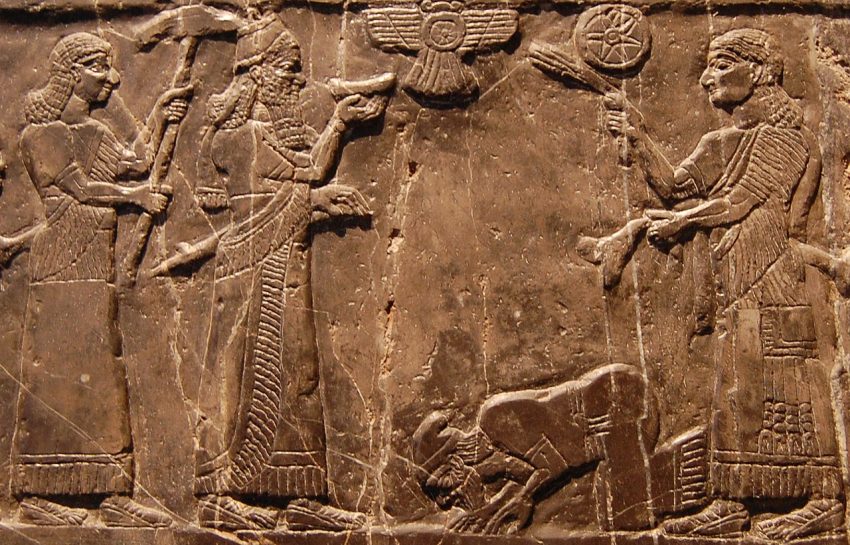
By Steven G. Johnson (Own work), CC BY-SA 3.0, https://commons.wikimedia.org/w/index.php?curid=11326786
In the latest video by Jonathan Cahn, we are invited to explore a fascinating intersection between ancient history and contemporary events. Cahn delves into the enigma of the Black Obelisk of King Shalmaneser III, an artifact from nearly 3,000 years ago, and suggests that this ancient monument may offer profound insights into our current spiritual and prophetic climate.
The Black Obelisk, a towering Assyrian artifact, is not just a relic of ancient times but a significant piece of history that carries remarkable symbolism. It features engraved scenes, among which is a rare depiction of a Biblical figure—Jehu, the King of Israel. This is notable because Jehu’s image on the Obelisk is the only ancient representation of a Biblical figure that has survived from that era. Jehu’s story, marked by dramatic reform and divine intervention, makes this artifact an intriguing focal point for understanding prophetic messages relevant to our time.
In his video, Cahn draws a compelling parallel between Jehu’s life and current events, particularly with the upcoming election. Jehu was known for his radical reforms and his role in opposing the prevalent pagan practices of his time. This comparison suggests that historical patterns might be reflecting in our modern world, emphasizing a deeper, prophetic significance.
Jehu’s story is one of a leader chosen by God to bring about substantial change. He fought against the worship of false gods, which was associated with grave moral issues, including child sacrifice. This narrative of divine intervention and moral courage resonates deeply with many who see similar struggles and calls for reform in today’s society. By comparing Jehu’s actions to recent events, Cahn proposes that the spiritual lessons from Jehu’s time might still be relevant today.
The video also highlights a recent dramatic event involving a prominent leader, drawing a connection to Jehu’s ancient depiction. This leader survived a serious threat to their life, and the circumstances surrounding this event bear a striking resemblance to the posture of Jehu as depicted on the Black Obelisk. This, Cahn suggests, could be interpreted as a divine sign and a call for deeper reflection and spiritual renewal.
Cahn’s message extends beyond political analysis. It serves as a call for believers to view current events through a spiritual lens, emphasizing the importance of humility, repentance, and seeking divine guidance. The ancient symbols and their modern echoes are presented not merely as historical curiosities but as invitations to align our actions and prayers with divine purposes.
As we approach the 2024 election, Cahn’s insights remind us that our choices have profound spiritual implications. The Black Obelisk, with its ancient symbols and prophetic echoes, challenges us to reflect on our values and our nation’s spiritual direction. It calls us to pray earnestly, seek God’s face, and strive for a revival that aligns with divine principles.
For those interested in delving deeper into this profound topic, I encourage you to watch Jonathan Cahn’s video here. It offers a comprehensive exploration of the spiritual and prophetic dimensions of our current historical moment, providing valuable insights for anyone seeking to understand the intersection of ancient prophecy and modern events.
In conclusion, the Black Obelisk and its connection to Jehu remind us that history is not just a sequence of events but a narrative woven with divine significance. As we navigate the challenges of our time, let us remain vigilant, prayerful, and open to the messages that history and prophecy may hold for us.

NOTE: In crafting this blog post, I have made a conscious effort to focus on the spiritual and prophetic aspects rather than delving into political commentary. The aim is to explore the ancient mysteries and their potential relevance to our current spiritual landscape, rather than to engage in political discourse. The reflections and comparisons drawn are intended to inspire deeper spiritual understanding and reflection, based on historical and prophetic insights.