
1,012 words, 5 minutes read time.
In the fascinating realm of amateur radio, there’s a powerful tool that often piques the interest of both seasoned operators and newcomers alike: the Automatic Packet Reporting System, or APRS. This system, which has been around since the early 1990s, offers a unique blend of communication, tracking, and real-time data exchange that can significantly enhance your amateur radio experience. In this blog, we’ll delve into what APRS is, how it works, and the myriad of possibilities it opens up for amateur radio enthusiasts.
What is APRS?
Automatic Packet Reporting System (APRS) is a digital communication protocol used primarily in amateur radio to send and receive real-time data over radio frequencies. Originally developed by Bob Bruninga, WB4APR, APRS allows users to transmit location information, weather data, messages, and more. Unlike traditional radio communication, which relies heavily on voice transmissions, APRS uses packet data, making it possible to convey a wide range of information simultaneously.
How Does APRS Work?
At its core, APRS operates through the transmission of packets—small chunks of data—over radio frequencies. These packets are broadcasted at regular intervals and contain information such as the sender’s location, time of transmission, and other relevant data. The packets are picked up by other APRS stations, which can then display the information on maps, provide updates to network users, or even relay the packets to other stations.
One of the key components of APRS is its use of the AX.25 packet radio protocol, which is designed for reliable data transfer over radio. The system also leverages the concept of digipeating, where intermediate stations (digipeaters) relay packets to extend the coverage area and ensure that messages reach their intended destination.
Key Features and Benefits of APRS
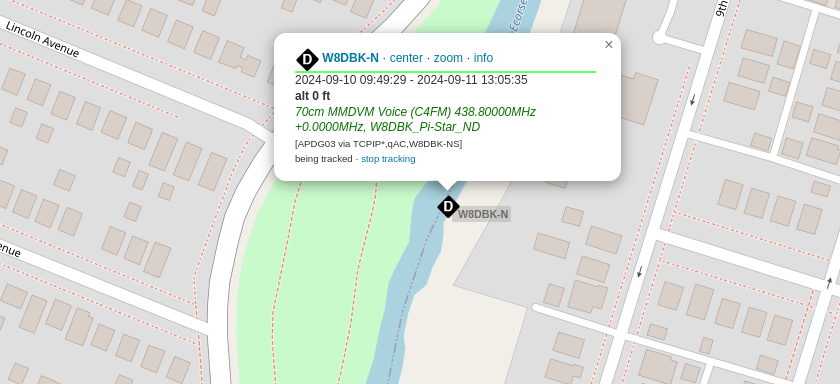
- Real-Time Location Tracking: One of the most exciting aspects of APRS is its ability to provide real-time tracking of stations. Whether you’re on a road trip, participating in a marathon, or just hiking through the countryside, APRS can transmit your location to a network of stations and display it on a digital map. This feature is particularly useful for coordinating with other operators, ensuring safety, and sharing your journey with friends and family.
- Weather Monitoring: APRS can also be used to transmit weather data from personal weather stations. By sending information such as temperature, humidity, and barometric pressure, users contribute to a network of weather data that can be accessed by others. This feature can be invaluable during severe weather events or for enthusiasts interested in local weather patterns.
- Message Passing: Beyond tracking and weather data, APRS allows for text messaging between users. These messages can be sent directly to individual stations or broadcasted to the network. This form of communication is particularly useful in areas where traditional internet or cellular services are unavailable, providing a reliable means of staying in touch.
- Event Coordination: APRS is often used to coordinate events, such as hamfests, field days, or public service events. By using APRS, organizers can keep track of participants, share event information, and facilitate communication between various teams. This feature enhances the overall efficiency and success of such events.
- Emergency Preparedness: In times of disaster or emergency, APRS can play a critical role in providing situational awareness. The real-time data transmission capability allows emergency responders and amateur radio operators to share crucial information, coordinate responses, and provide updates to affected communities.
Setting Up APRS
Getting started with APRS involves a few key components: a radio transceiver, a computer or microcontroller, and an APRS-compatible software or hardware interface. Here’s a basic outline of the setup process:
- Radio Transceiver: Choose a radio transceiver that operates on the APRS frequency, typically 144.390 MHz in the United States. Make sure your radio is capable of packet radio communication.
- APRS Interface: You’ll need an APRS interface to connect your radio to a computer or microcontroller. This could be a dedicated APRS hardware device or a software-based solution like a sound card interface.
- Software: Install APRS software on your computer or microcontroller. Popular options include WinLink, UI-View, and APRSISCE/32. This software will handle the encoding and decoding of APRS packets and manage the communication between your radio and the network.
- Configuration: Configure your software and hardware to match the APRS network settings, including your call sign, location, and other parameters. Ensure your station is properly set up to transmit and receive packets.
- Testing: Perform a few test transmissions to ensure everything is working correctly. Monitor the APRS network to verify that your packets are being received and displayed as expected.
Practical Applications of APRS
The versatility of APRS extends beyond the typical applications mentioned earlier. Here are some additional practical uses:
- Adventure and Travel: For those who love exploring new places, APRS can enhance your adventure by allowing friends and family to track your location. It’s a great way to ensure safety while exploring remote areas.
- Educational Purposes: APRS provides a valuable educational tool for learning about digital communication, data transfer, and radio technology. It can be a hands-on way to understand how modern communication systems work.
- Community Service: Many amateur radio clubs use APRS for community service projects, such as tracking public events or providing communication support for local activities. It’s a way to give back to the community while enjoying your hobby.
- Technical Experimentation: APRS offers a platform for experimenting with new technologies and innovations in the field of amateur radio. Enthusiasts often use APRS to test new ideas and push the boundaries of what’s possible in radio communication.
Conclusion
APRS is a dynamic and multifaceted tool in the world of amateur radio, offering a range of functionalities from real-time tracking and weather monitoring to message passing and event coordination. Whether you’re a seasoned operator or just starting out, understanding and utilizing APRS can greatly enhance your amateur radio experience. By leveraging its capabilities, you can stay connected, contribute valuable data, and explore new facets of the hobby.
For those interested in diving deeper into APRS, numerous resources are available online, including forums, tutorials, and user guides. Embrace the power of APRS and see how it can transform your amateur radio adventures!
