
2,437 words, 13 minutes read time.
Disclaimer: This short story is a work of fiction inspired by the true story of Matthew the Tax Collector. While many of the the details of this narrative are fictionalized, the lessons contained within are true and reflect the moral teachings of Jesus. If Matthew could testify to us today, I imagine he would say:
Everything changed the day Jesus walked into my life.
Before that moment, I felt empty and alone. I had wealth, but no true friends. My people saw me as a traitor, and my own parents had disowned me. They were simple folk, struggling under Roman rule, holding on to their faith. To them, I was a symbol of betrayal. Every day was a monotonous routine of collecting taxes, surrounded by symbols of my former life but missing any real connection. The more money I made, the lonelier I felt. My parents had suffered because of the empire I worked for, and they were once my link to a world I had lost.
I had heard whispers about Jesus—a man who spoke with a divine authority and challenged everything I knew. People spoke of His teachings with awe. I never imagined I would ever meet Him.
Then, one day, while I was working at my tax booth, Jesus appeared. It was like a flash of light breaking through my darkness. When He looked at me and said, “Follow me,” I felt a mixture of exhilaration and nervousness. It wasn’t just about leaving my job; it was about stepping into a new life. My heart raced with excitement and fear. I was leaving behind everything I knew for something completely unknown.
As I followed Jesus, I felt a profound sense of belonging and newfound purpose. Each day with Him was a journey into deeper understanding. He taught us about love and forgiveness in ways that were truly revolutionary. He urged us to love our enemies and pray for those who persecuted us, challenging the very norms of our society. His teachings pushed us to show compassion even toward those who had wronged us.
Jesus often reached out to those whom society had rejected. I vividly remember how He dined with tax collectors and sinners—people whom others deemed unworthy. Sharing a meal with them wasn’t just about eating together; it was a powerful statement that God’s love embraced everyone, regardless of their past or their status.
There was the time when Jesus healed a woman who had suffered from a bleeding condition for years. Despite the crowd pressing around Him, He noticed her touch of faith and spoke to her with such kindness, acknowledging her faith and healing her. This act of compassion was a reminder that Jesus valued individuals and their faith deeply, no matter their situation.
Another moment etched in my memory was when Jesus raised the daughter of Jairus, a synagogue leader, from the dead. Jairus, desperate for help, approached Jesus, and despite the skepticism surrounding Him, Jesus went to Jairus’s home and brought the girl back to life. He did this with great tenderness, showing His care for both the living and the grieving.
I also remember the day when Jesus gave what we now know as the Sermon on the Mount. He spoke about blessings and the true nature of who is favored by God. His words turned conventional wisdom on its head, affirming those who were often overlooked and emphasizing that true blessedness came from living with humility and purity of heart.
One of the most profound lessons came through the story of the Good Samaritan. Jesus told us about a man who helped a wounded traveler despite the deep-seated animosities between their people. This story challenged our views on neighborly love, teaching us that compassion knows no boundaries and that we should care for others irrespective of their background.
Through these moments, Jesus continually challenged and expanded our understanding of love and acceptance. Each day with Him was a step towards a higher, more inclusive way of living, and I felt increasingly connected to a broader, more compassionate vision of life.
The nights were filled with learning and laughter. Around the campfires, Jesus used every moment as a teaching opportunity. He shared parables and stories that made us reflect deeply on our lives and values. One evening, He washed our feet, a gesture that went beyond mere cleanliness. This act of humility was a profound lesson in the importance of service and putting others before oneself.
We also witnessed miraculous events that left us in awe. I remember one night on the Sea of Galilee when a fierce storm threatened to capsize our boat. While we were terrified, Jesus calmly stood and spoke to the storm, “Peace, be still,” and the winds and waves obeyed His command. It was a powerful reminder of His divine authority over nature and our own fears.
Another unforgettable moment was when Peter walked on water. Jesus had come to us walking on the sea, and in my fear, I thought He was a ghost. Peter, ever impulsive, asked Jesus if he could come to Him on the water. Jesus told him to come, and for a brief moment, Peter walked towards Jesus. But when he saw the wind and waves, he became afraid and began to sink. Jesus reached out and saved him, teaching us about faith and trust even amidst fear.
Jesus performed countless healings—restoring sight to the blind, speech to the mute, and even bringing the dead back to life. Each miracle was a testament not only to His divine authority but also to His deep compassion and desire to alleviate suffering.
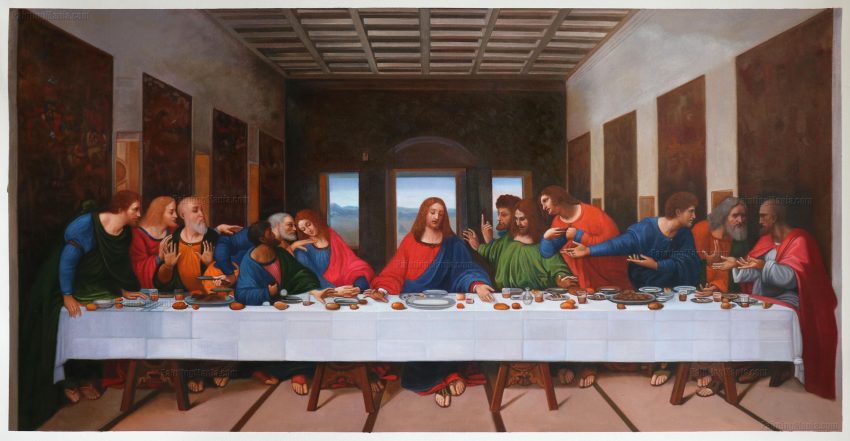
But everything changed during the Passover. The night was tense as Jesus revealed that one of us would betray Him. The air was heavy with sorrow as He broke the bread and shared the cup, symbolizing His body and blood. In the Garden of Gethsemane, we struggled to stay awake while Jesus prayed. When the soldiers arrived, Judas’s kiss was the signal for His arrest. The sight of His betrayal was heart-wrenching.
The days leading up to the crucifixion were shrouded in fear and confusion. Jerusalem, usually bustling with activity, had become a hive of unrest and anxiety. The air was thick with rumors and whispers, and every corner of the city seemed to buzz with speculation.
The chief priests and elders, who had always been wary of Jesus, had grown increasingly desperate to silence Him. Their hatred and fear of His influence drove them to take drastic measures. They sought to discredit Him and turn public opinion against Him, knowing that the Roman authorities would only act if they had the support of the local population.
The Roman political structure added another layer of complexity. Pontius Pilate, the Roman governor, was known for his ruthless efficiency but also for his need to maintain order in a volatile province. The Jewish leaders pressured Pilate to act against Jesus, hoping to shift the burden of responsibility onto him. Pilate’s role was not merely administrative; he had to balance the demands of the local Jewish leaders with the need to keep the peace and avoid uprisings that could threaten Roman control.
We were in hiding, trying to stay away from the growing chaos. Each day brought new and conflicting reports. Some spoke of Jesus being brought before the Sanhedrin, the Jewish council, for a trial that was nothing more than a facade of justice. This council, dominated by the Pharisees and Sadducees, was deeply divided. The trial against Jesus was marked by false witnesses, who were coerced to testify against Him. Their testimonies were inconsistent and flimsy, but the council was determined to condemn Him regardless.
Others reported that Jesus was being subjected to brutal treatment and mockery. I heard how He was scourged—whipped with a leather strap embedded with bits of metal and bone. This brutal flogging was meant to weaken the prisoner before crucifixion, and it was designed to inflict maximum pain. We heard disturbing reports of soldiers mocking Him, placing a crown of thorns on His head, and draping Him in a purple robe, pretending to honor Him as a king. The cruelty of these acts was a stark contrast to the compassionate healer we had followed.
The contrast between the Jesus who had healed the sick and preached love and the one now being tortured and ridiculed was heart-wrenching. It was clear that the Jewish leaders wanted to eliminate any challenge to their authority and discredit Jesus publicly. The trial and subsequent punishment were not just about legal guilt but about maintaining control and power over a restless population.
The pivotal moment came when Jesus was brought out before the crowd. I was there, hidden among the throngs of people who had gathered for the Passover festival. The streets were packed, and the tension was almost tangible. I saw Jesus, bloodied and bruised, barely able to stand. His face was marked by the crown of thorns, and the scars from the scourging were still fresh. The sight of Him, so battered and humiliated, was nearly unbearable.
I watched in horror as Pilate offered to release a prisoner as part of the Passover tradition. He presented Jesus alongside Barabbas, a notorious criminal. I held my breath, hoping that the crowd would choose Jesus. But the chief priests and elders had incited the mob to demand Barabbas’ release instead. The voices of the crowd grew louder, their chants of “Crucify Him! Crucify Him!” echoing through the streets. The demand was relentless, fueled by the very leaders who had manipulated them.
The crowd’s shouts pierced my heart. Seeing the same people who had been touched by Jesus’ miracles now calling for His death was devastating. The anger and hatred stirred up against Him seemed to drown out the cries of those who still believed in His message. My feelings of grief and helplessness were overwhelming. The injustice of it all was almost too much to bear.
As Jesus was led away to Golgotha, the place of the skull, I felt a deep sense of loss and despair. The brutality of His treatment and the fervor of the crowd left me feeling paralyzed, unable to change the course of the events. The contrast between the love and compassion He had shown and the cruelty He now faced was a crushing blow to my spirit.
At Golgotha, the sight of Jesus nailed to the cross shattered my heart. As they drove the nails through His hands and feet, I felt an overwhelming wave of grief. The sky darkened from noon until three, as if mourning His suffering. Jesus cried out in anguish, “My God, my God, why have you forsaken me?” His voice echoed through the darkness, a cry of deep sorrow.
He then spoke to the soldiers, saying, “I thirst.” They responded by offering Him sour wine on a sponge—an instrument of insult. As He tasted it, He declared, “It is finished,” marking the end of His mission. His final words were, “Father, into your hands I commit my spirit,” before He breathed His last.
In that moment, the curtain of the temple was torn in two from top to bottom. This veil had separated humanity from the divine presence of God, and now it was ripped apart, symbolizing a new and direct access to God.
The earth shook violently. Rocks split apart, and many graves opened. To my astonishment, saints who had died came back to life and walked through Jerusalem. The sight of these resurrected figures was a powerful sign of the new hope Jesus’ death had brought.
The days after the resurrection were filled with confusion and hope. Mary Magdalene came bursting in with the astonishing news: Jesus was alive. At first, it was hard to believe. Peter and John ran to the tomb. They found it empty, just as Mary had said. The soldiers at the tomb had fled in fear.
Jesus appeared to Mary Magdalene and instructed her to tell us He was alive. Later, He appeared to Peter, forgiving him for his denials and giving him a renewed purpose. Thomas doubted until he saw Jesus’ wounds. Jesus invited him to touch them, and Thomas declared, “My Lord and my God.”
Jesus’ appearances after His resurrection confirmed the miracle and filled us with joy. We were filled with awe and ready to spread His message to the world. The resurrection brought a new sense of hope and purpose, turning our grief into boundless joy.
After the resurrection, I traveled extensively to spread His teachings. I ventured to many lands, and one of my most significant journeys took me to Ethiopia. The people there were eager to hear about Jesus. I shared His message of hope and salvation, baptizing new believers and establishing a strong foundation for the Christian faith in that region.
My time in Ethiopia was marked by deep connections and transformative experiences. Yet, my mission came with great challenges. The message of Jesus, which had brought so much hope, was met with resistance from those who opposed His teachings.
In the end, my commitment to spreading the gospel led to my martyrdom. The price of faithfully proclaiming Jesus was high, and I faced persecution for my unwavering faith. Despite the hardships and the suffering I endured, I found solace in knowing that my life was dedicated to the One who had given me purpose and joy.
From the moment Jesus called me to the ends of the earth where I faced my final trial, I am filled with gratitude and joy. His resurrection brought a new hope and a new life, not just for me but for countless others. And though my journey ended in martyrdom, it was a testament to the profound impact of His love and the truth of His resurrection.
Reflecting on Matthew’s testimony has been a deeply moving journey. Through his eyes, we witness the profound transformation that Jesus’ love and teachings brought to his life. From the depths of loneliness and betrayal, Matthew found a new purpose and belonging in following Jesus. His detailed accounts of miracles, teachings, and the harrowing events of the crucifixion and resurrection provide us with a vivid, personal perspective on these pivotal moments in history.

Help Me Improve
I’d love to hear from you! If you have any tips, insights, or feedback on enhancing online presence and integrating digital strategies, please share your thoughts in the comments below. Your input is invaluable in helping me improve and provide more useful content. Thank you for contributing to the conversation!