
1,039 words, 5 minutes read time.
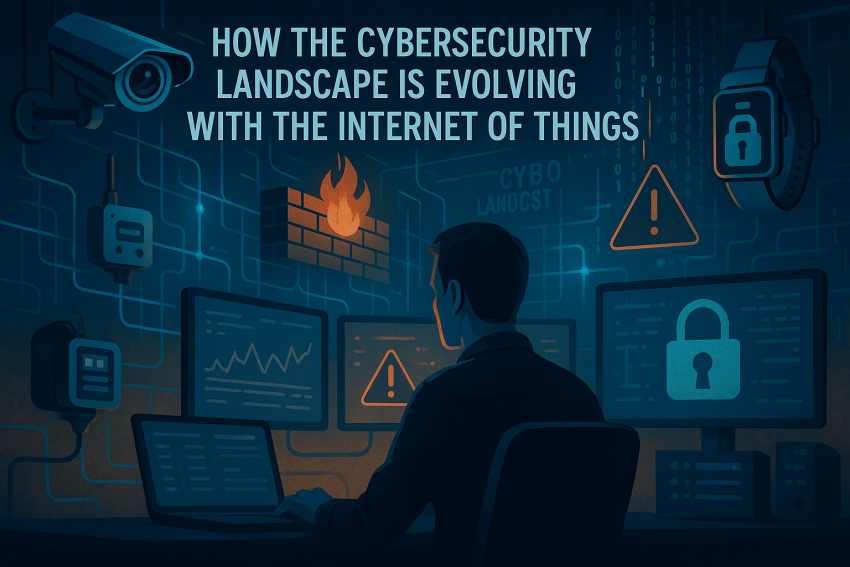
If you’ve been in this game long enough, you know one truth: technology doesn’t wait for security to catch up. The Internet of Things (IoT) is a perfect example. From smart thermostats and industrial sensors to wearable devices and connected medical equipment, IoT is everywhere—and so are the threats lurking in plain sight. I’ve seen first-hand how the rush to innovate often leaves glaring security gaps that attackers love to exploit. Today, I want to take you behind the curtain and show what the IoT wave really means for defenders like us.
The Explosion of IoT and What It Means for Security
The numbers are staggering. Cisco predicts over 29 billion connected devices by 2025, while Gartner estimates IoT spending will surpass $1 trillion this year alone. These devices aren’t just gadgets—they’re integrated into enterprise networks, critical infrastructure, and even our personal lives. Every new device is a potential entry point, a possible pivot for attackers, or a blind spot waiting to be exploited.
Remember the Mirai botnet? Hundreds of thousands of compromised IoT devices, mostly cameras and DVRs, were weaponized to launch massive DDoS attacks in 2016. That was the first real wake-up call, but it’s just the tip of the iceberg. Today, every network I defend is teeming with IoT endpoints, and I treat each one as a potential threat vector until proven otherwise.
Unique Security Challenges of IoT
Device Diversity and Fragmentation
IoT isn’t like traditional IT where you can standardize servers or endpoints. You’re dealing with a chaotic mix of devices, operating systems, firmware versions, and proprietary protocols. Updates are sporadic, vendor support is inconsistent, and patching schedules are often nonexistent. This fragmentation makes it a nightmare for asset inventory and vulnerability management.
Limited Device Security
Most IoT devices weren’t built with defense in mind. Limited processing power, minimal memory, and a focus on functionality over security means default passwords, unencrypted communication, and outdated firmware are all too common. If I walk into a client network and spot a fleet of “smart” devices, I assume they’re vulnerable until I see evidence otherwise.
Visibility and Monitoring Gaps
Traditional monitoring tools often ignore IoT traffic. SIEMs may not parse device telemetry correctly, and many organizations have zero visibility into what these endpoints are doing. As a threat hunter, blind spots are my enemy. Without proper logging, network segmentation, and anomaly detection, IoT devices become ghost doors into your network.
Common IoT Threats Today
- Botnets and DDoS attacks: Compromised devices amplified attack traffic exponentially.
- Supply chain attacks: Attackers compromise IoT components before they’re deployed.
- Lateral movement: IoT endpoints provide stealthy pathways into core enterprise systems.
- Targeted industrial attacks: Think Stuxnet or NotPetya—sophisticated operations leveraging IoT or ICS devices.
I’ve personally investigated cases where a single compromised sensor on a manufacturing floor allowed attackers to move undetected through the network. It’s like finding a hole in a castle wall you didn’t even know existed—and by the time you notice, the enemy is already inside.
Frameworks and Principles to Defend IoT Environments
You can’t just slap traditional IT controls on IoT and call it a day. Defense in depth is critical: segment networks, apply micro-perimeters, and treat every IoT endpoint as untrusted by default. Zero Trust isn’t just a buzzword—it’s a lifeline when devices are everywhere and attackers are relentless.
NIST’s IoT cybersecurity guidelines are an excellent starting point, and the MITRE ATT&CK framework has plenty of techniques relevant to IoT threat modeling. At a practical level, I recommend:
- Network segmentation and VLAN isolation for IoT devices.
- Strong authentication and credential rotation policies.
- Continuous monitoring of telemetry and device behavior.
- Automated patching where possible, with vendor accountability.
- Regular threat modeling and attack simulations specific to IoT endpoints.
Practical Threat Hunting and Incident Response in IoT Context
When IoT devices go rogue, your incident response playbook needs tweaks. Standard forensic procedures might not apply—logs may be limited, and devices may be hard to image. Here’s how I approach it in the field:
- Isolate affected devices immediately to prevent lateral movement.
- Capture whatever telemetry is available—network flows, device logs, and firmware states.
- Use anomaly detection to identify unusual behavior early.
- Incorporate IoT forensics into tabletop exercises and red team simulations.
Strategic Considerations for CISOs and Security Leaders
IoT isn’t just a technical challenge—it’s a business risk. As a CISO, you need to think in terms of risk assessment, vendor accountability, and regulatory compliance. Ask tough questions: Are you comfortable with the data your IoT devices collect? Do your vendors patch in a timely manner? How are you monitoring unknown endpoints?
Budgeting for visibility and resilience is non-negotiable. Network segmentation, monitoring, patch management, and threat intelligence integration all cost money—but so does a breach. I’ve seen boards reluctant to invest until disaster strikes. Don’t wait for that call.
Looking Ahead—The Future of IoT Security
The IoT landscape isn’t static. AI-driven attacks, edge computing vulnerabilities, and increasingly interconnected industrial devices are on the horizon. Regulatory pressure will grow, but so will complexity. The teams that thrive will combine operational discipline with proactive threat hunting and strategic planning.
Conclusion
IoT is no longer optional—it’s embedded in the fabric of every network I touch. The devices themselves aren’t the enemy; our lack of preparation is. Treat every endpoint as untrusted, demand accountability from vendors, and continuously hunt for anomalies.
If you want more in-the-trenches insights, subscribe to my newsletter: https://wordpress.com/reader/site/subscription/61236952
Share your own IoT experiences or questions in the comments. Let’s learn from each other’s front-line battles.
For consulting or deeper discussion, connect with me here: https://bdking71.wordpress.com/contact/

Sources
- NISTIR 8259: Foundational Cybersecurity Activities for IoT Device Manufacturers
- MITRE ATT&CK Framework (Enterprise)
- MITRE ATT&CK Framework (ICS)
- CISA: Alert on IoT Security Risks
- CrowdStrike IoT Threat Intelligence
- Mandiant IoT Security Reports
- Verizon Data Breach Investigations Report
- KrebsOnSecurity IoT Coverage
- Schneier on Security: IoT Topics
- Black Hat Conference Whitepapers
- DEF CON Archives: IoT Security Talks
Disclaimer:
The views and opinions expressed in this post are solely those of the author. The information provided is based on personal research, experience, and understanding of the subject matter at the time of writing. Readers should consult relevant experts or authorities for specific guidance related to their unique situations.