
1,320 words, 7 minutes read time.
Let’s be honest—most of us like to think we’re too sharp to get scammed. We’ve got firewalls, password managers, and enough technical know-how to make our friends call us when they “accidentally click something.” But here’s the cold truth: phishing scams have evolved. They’re no longer just clunky emails from foreign princes. They’re slick, strategic, and engineered to fool even the savviest cybersecurity professionals. Yes, even you.
So, why are smart guys—guys like us—still falling for phishing attacks? The answer isn’t just about technology. It’s about psychology, timing, and how damn good the bad guys have gotten at pretending to be one of us.
Why Smart People Still Get Phished
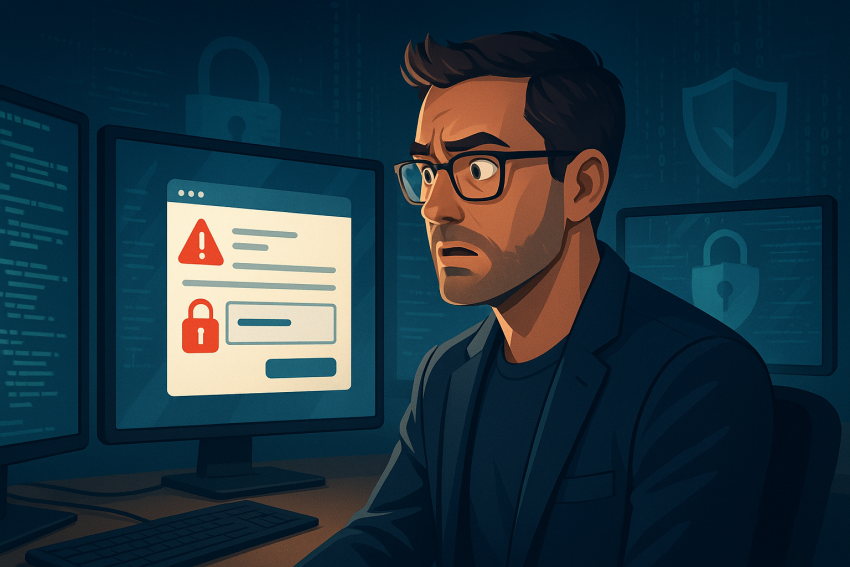
Imagine a busy Monday morning. Your inbox is stacked, you’re juggling Slack, Zoom, and caffeine, and you get a well-written email from what looks like your company’s CFO asking for an urgent wire transfer. It’s convincing. It’s urgent. And bam—before you know it, you’re out $25K and sending an email to IT with your tail between your legs.
Phishing works because it exploits human nature. We’re wired to trust, to react to urgency, to believe authority. Scammers know this, and they craft their bait accordingly. They’ll mimic your boss’s tone, clone your bank’s branding, and time their attack when you’re most distracted—maybe during lunch, maybe right before that big meeting.
This isn’t about being gullible. It’s about being human.
The Evolution of the Bait: Phishing 2.0
The modern phishing attack isn’t always a poorly spelled email. These days, phishing campaigns are crafted like military operations—targeted, precise, and ridiculously convincing.
Take spear phishing, for example. This isn’t a random shot in the dark; it’s a sniper round. Attackers research their targets, sometimes scraping your social media, LinkedIn, or public company info. Then they send a custom message designed to hit you right where it counts—your trust.
Then there’s Business Email Compromise (BEC), where attackers impersonate executives or vendors and trick employees into transferring funds. It’s so effective that Google and Facebook collectively lost over $100 million in one such scam. That’s not grandma clicking on a pop-up. That’s billion-dollar companies with elite IT teams getting wrecked.
Other flavors of phishing have also gotten a 2020s upgrade. Smishing? That’s phishing over SMS. Vishing? Voice phishing. It’s the scammer calling you, pretending to be your IT department, saying they “need your login to update your VPN.” And don’t even get us started on deepfake audio where it sounds exactly like your boss.
Still think you’re too smart to fall for it?
The Tells: Spotting the Lures Before You Bite
So how do you spot a fake when everything looks legit? Think of it like this—ever see a Rolex that’s “almost perfect,” but just a little off? That’s what most phishing attempts are. The tone might be weirdly formal. The sender’s address might be “j.smith@micr0soft-support.com.” Or maybe there’s an unexpected attachment with a name like “Urgent_Payment_Request.html” — red flag city.
A lot of phishing emails create a sense of panic. “Your account will be closed in 24 hours.” “Suspicious activity detected, click here now.” That urgency is designed to bypass your logic and get your finger clicking. Slow down. Breathe. Check the sender. Hover over the link. Think of phishing like a bad Tinder date—it always looks good in the beginning, but if you look closer, the red flags are waving.
Real Stories, Real Fails
Let’s talk real-world blunders.
Barbara Corcoran, investor and Shark Tank judge, got phished out of nearly $400,000 when her assistant received an email from someone pretending to be her. It looked real. It sounded real. And it almost cost her a fortune.
Then there’s the infamous 2020 Twitter hack. Teenagers socially engineered their way into admin tools and hijacked verified accounts from Elon Musk, Barack Obama, and more—just by tricking real employees. These weren’t amateurs clicking pop-ups. These were trained staff who were manipulated at just the right moment.
Even tech titans like Google and Facebook were conned by a fake hardware vendor who ran a multi-year scam through email. That little “oops” cost them over $100 million. No one is immune—not even billion-dollar firms.
How to Stay One Step Ahead
Defending yourself against phishing isn’t about paranoia. It’s about habits. Locking your doors doesn’t mean you’re scared—it means you’re smart.
First, always enable multi-factor authentication. Think of it like a second lock on your door. Even if they steal your key, they can’t walk in without your code.
Use a password manager. Not only does it create strong, unique passwords, it helps detect fake login pages. If your manager doesn’t autofill, the site probably isn’t legit.
Don’t trust links blindly. Hover over them and inspect the destination. That “PayPal” link might actually point to paypallogin.confirm-321.biz. Close enough to fool you—but not your browser, if you’re paying attention.
And if an email or text asks you to do something sensitive—wire money, reset a password, click a weird file—just stop and confirm through a separate channel. Call your IT guy. Message your boss. It’s worth the extra step.
Tools You Can Actually Use
There are some great tools that act like a second set of eyes. Browser extensions like Netcraft or uBlock Origin can flag shady sites. Phishing training platforms like KnowBe4 simulate attacks and teach you what to watch for—sort of like flight simulators for your inbox.
Endpoint protection software adds another layer. And don’t underestimate the power of a company policy. Having internal rules for handling sensitive requests—especially around wire transfers or credentials—can make a huge difference.
When You’ve Been Hooked
Let’s say the worst happens—you clicked. Don’t panic. But don’t ignore it either.
First, disconnect from the internet if you suspect malware. Report the incident to your security team or IT department immediately. The sooner they know, the faster they can respond.
Change your passwords. Notify banks or services tied to the scam. And consider filing a report with the relevant agency—depending on your location, that could be CISA, the FBI, or your country’s cybersecurity body.
The key here is speed. The longer you wait, the more damage they can do.
Final Thoughts: Stay Humble, Stay Alert
Here’s the truth most guys don’t like admitting: being tech-savvy doesn’t make you bulletproof. The best hackers don’t target your software—they target you. They slip past your firewalls by earning your trust, mimicking authority, and pushing the right buttons at just the wrong time.
But you can stay ahead of the game. Learn the tactics. Slow down. Don’t be afraid to question an email, even if it’s supposedly from your CEO. Phishing may be sneaky, but with the right mindset and tools, you can spot the bait and leave it dangling.
And hey—if you’ve made it this far, you’re clearly someone who takes cybersecurity seriously.
Want more stuff like this? Subscribe to our newsletter, drop a comment below to share your own phishing horror story, or reach out to me directly if you’ve got questions or insights. This isn’t just a fight against spam—it’s a war for your data. Let’s win it together.

Sources
- CISA – Phishing Guidance
- UK National Cyber Security Centre – Phishing Explained
- FBI – Business Email Compromise (BEC)
- Phishing.org – What is Phishing?
- Imperva – Phishing Attacks
- Proofpoint – Phishing Threat Reference
- KnowBe4 – Security Awareness Blog
- ZDNet – Deepfake Audio Scams
- CNBC – Barbara Corcoran Phishing Scam
- CNET – Twitter 2020 Hack
- Ars Technica – Facebook and Google $122M Scam
- Trend Micro – Smishing & Vishing
- Microsoft – What is Phishing?
- Netcraft – Real-Time Phishing Site Feed
- Have I Been Pwned – Data Breach Lookup Tool
Disclaimer:
The views and opinions expressed in this post are solely those of the author. The information provided is based on personal research, experience, and understanding of the subject matter at the time of writing. Readers should consult relevant experts or authorities for specific guidance related to their unique situations.