
1,583 words, 8 minutes read time.
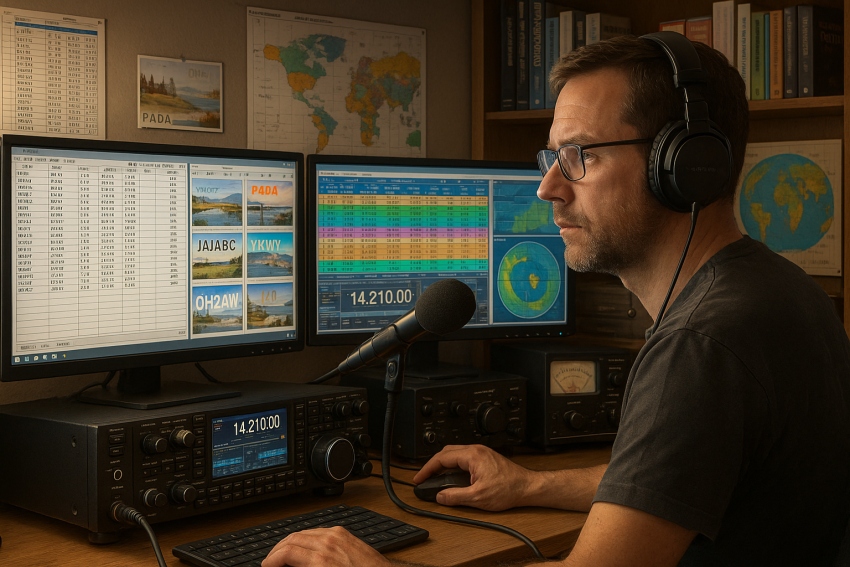
Logging your contacts is one of the most important yet often underestimated aspects of amateur radio. Whether you’re chasing awards, participating in contests, or simply documenting your radio adventures, an accurate and efficient logging system forms the backbone of your ham radio experience. For those of you working toward your license or just stepping into the hobby, understanding how to log and confirm contacts effectively not only enhances your operational skills but also deepens your engagement with the community.
In this guide, we’ll take a deep dive into the essentials of logging and confirming ham radio contacts. You’ll learn about the evolution of logging, the tools available today, tips to log efficiently under pressure, and how to confirm contacts through traditional and modern methods. Let’s get started.
Why Logging Your Contacts Matters
Logging might sound like a mundane task, but it’s foundational to amateur radio’s culture and practical operation. Every QSO (contact) you make—no matter how brief—represents a unique moment of connection across frequencies, modes, and often vast distances. A good log ensures you remember these contacts, can verify them for awards, contests, or just personal records, and provides a trusted historical archive of your activity.
Logging serves multiple critical purposes. First, it helps track who you’ve contacted, when, and under what conditions. This information is vital during contests when rapid logging reduces errors and streamlines scoring. More than that, it’s essential for confirming contacts—something that benefits both you and the other operator when verifying your QSL (confirmation) cards or electronic confirmations. Proper logs can also assist in troubleshooting, propagation studies, and even legal compliance with amateur radio regulations.
Understanding the Basics of Logging
At its core, a logbook—whether paper or digital—is a structured record of your contacts. The essential data fields include the callsign of the other station, date and time of contact (usually in UTC), frequency or band, mode of transmission (CW, SSB, digital modes), and signal reports exchanged. Many hams also record additional details such as location (grid square or state), equipment used, or contest-specific info.
Historically, hams maintained paper logbooks, meticulously hand-writing each contact. This method, while charming and tactile, is prone to human error, difficult to search, and inconvenient for modern requirements like digital confirmations. Yet, many operators still treasure physical logs for their personal significance.
Manual vs. Digital Logging: What’s Best for You?
With the digital revolution, logging shifted dramatically. Digital logging software allows you to enter contacts quickly, validate callsigns automatically, and integrate with online confirmation services. Tools like Log4OM, Ham Radio Deluxe, and N1MM Logger have become staples, providing powerful features like contest mode, propagation data, and automatic QSL management.
While paper logs may appeal to newcomers for their simplicity, digital logs excel in accuracy, convenience, and integration. They reduce errors by autofilling data and can export logs in standardized formats compatible with award submissions or online systems. Digital logs also allow seamless backup and restoration—an essential safeguard against data loss.
The best choice often depends on your operating style. If you mostly operate casually or from portable setups, a tablet or smartphone logging app might suit you. For contesters or DX chasers, desktop logging software with advanced features will save time and boost reliability.
Exploring Popular Logging Software and Tools
Choosing the right logging software can feel overwhelming given the many options available. Log4OM, praised for its free but feature-rich interface, supports everything from casual logging to contesting, with integrated mapping and propagation tools. Ham Radio Deluxe offers an all-in-one suite with rig control, logging, and digital mode operations.
N1MM Logger remains a favorite among contesters for its speed and extensive contest support. For those wanting cloud convenience, services like HamLogs.net offer web-based logging accessible from anywhere.
The key features to look for are ease of use, reliability, data export formats (ADIF, Cabrillo), and integration with popular confirmation networks like ARRL’s Logbook of The World (LoTW) or eQSL. Many software suites also support importing QRZ.com data, which automatically fetches callsign info, making logging faster and more accurate.
Tips to Log Contacts Efficiently and Accurately
In fast-paced scenarios like contests or busy nets, every second counts. Efficient logging starts with preparation: setting up your software with default modes, bands, and location info saves time on repetitive data entry. Learning keyboard shortcuts and macros will accelerate logging, letting you capture a contact’s essential details without breaking your flow.
Automatic callsign lookup and validation help catch typos early. Using templates or canned responses for signal reports or contest exchanges minimizes errors. It’s wise to review your log after operating to correct mistakes or fill in missing data before backing up.
For casual operators, setting a routine—logging immediately after each QSO—helps keep logs accurate. Avoid relying on memory; an unlogged contact is effectively lost. Digital tools with real-time syncing or auto-save functions further reduce the risk of data loss.
Confirming Contacts: From QSL Cards to Digital Confirmations
Confirming your contacts is as important as logging them. Historically, hams exchanged QSL cards—physical postcards verifying a QSO. These cards carry sentimental value and are often collected like trophies. Despite the digital age, paper QSL cards remain popular, especially for international or rare contacts.
Modern operators use electronic confirmation systems like ARRL’s Logbook of The World (LoTW), eQSL, or QRZ QSL. These platforms allow hams to upload their logs and confirm contacts digitally, eliminating postage costs and delays. LoTW, in particular, is widely respected for award crediting, securely matching logs between stations.
Both methods can coexist. Many hams collect physical QSLs and maintain their LoTW accounts. Understanding the requirements and procedures of each system helps ensure your contacts count toward awards and personal records.
Organizing and Verifying Your Logs
A well-organized log is your personal archive. Regular backups—both local and cloud-based—are critical. Corrupt or lost logs mean lost history and wasted effort. Many logging applications provide automatic backup options or allow exporting to standard formats for safekeeping.
Cross-referencing your log with confirmation services also serves as a quality check, verifying that your contacts are recognized by others. This can highlight errors like incorrect callsigns or mismatched dates that might otherwise go unnoticed.
Using tools to generate reports and export data makes it easier to submit logs for awards, contests, or regulatory compliance. Keeping your logs tidy and up to date turns logging from a chore into a source of pride.
Logging for Awards and Contests: What You Need to Know
If you plan to chase DX awards, worked-all-states, or contest victories, logging accuracy becomes paramount. Award programs require proof of contacts, typically via QSL cards or electronic confirmations. Contest sponsors often require logs submitted in specific formats within deadlines.
Contest logging demands speed and precision. Specialized contest logging software reduces input errors by automating exchanges and enforcing required fields. Features like real-time score tracking and integration with spotting networks enhance performance.
By adopting efficient logging techniques early, you position yourself to fully enjoy the competitive and achievement aspects of amateur radio. Whether pursuing a DXCC certificate or excelling in local contests, your log is your proof—and your trophy.
Best Practices and Common Pitfalls to Avoid
Logging mistakes can cost you dearly in contests and awards. Common pitfalls include misspelled callsigns, wrong dates/times, or forgetting to log a contact entirely. Keeping a calm, systematic approach helps prevent errors. Double-checking entries and reviewing logs after sessions catch issues early.
Maintain consistent log formats and use UTC times universally to avoid confusion. Make backups regularly and avoid mixing paper and digital logs without careful synchronization.
Many experienced hams stress that logging isn’t just a task but a skill that improves with practice. They recommend reviewing tutorials, joining forums, or consulting mentors to refine your process.
Conclusion: Making Logging a Core Part of Your Ham Radio Journey
Logging and confirming contacts efficiently isn’t just about record-keeping—it’s about respecting the connections you make across the airwaves. It’s what turns fleeting transmissions into lasting experiences, accomplishments, and friendships.
As you progress toward your license and beyond, embrace logging as a vital part of your operator’s toolkit. Invest time in learning digital tools, understand confirmation methods, and build habits that will serve you well throughout your ham radio life.
Remember, the best logs are not perfect—they are consistent and trusted. Start your logging journey today, and watch your ham radio experience grow richer, more rewarding, and connected.
If you found this guide useful, subscribe to our newsletter for more in-depth articles. If you’re learning to log and confirm your contacts or want to exchange tips, leave your questions or experiences in the comments below. Join the conversation and help keep the spirit of amateur radio alive and thriving.

Sources
- ARRL Logbook of The World
- Ham Radio Logbook Software Overview
- QRZ.com Call Sign Database
- How to Keep a Ham Radio Logbook
- Digital Logging for Ham Radio Operators
- Ham Radio Logging Tips and Best Practices
- Best Ham Radio Logging Software Reviewed
- Ham Radio Logging Software Explained
- Logging DX Contacts Efficiently
- Ham Radio Logging Software Guide
- Ham Radio Logbooks and QSL Confirmations
- IARU Logging Requirements for Amateur Radio
- HamLogs.net – Online Ham Radio Logbook
- Confirming Contacts with QSL Cards and Electronic Methods
- ARRL QSL Service
Disclaimer:
The views and opinions expressed in this post are solely those of the author. The information provided is based on personal research, experience, and understanding of the subject matter at the time of writing. Readers should consult relevant experts or authorities for specific guidance related to their unique situations.