
1,193 words, 6 minutes read time.
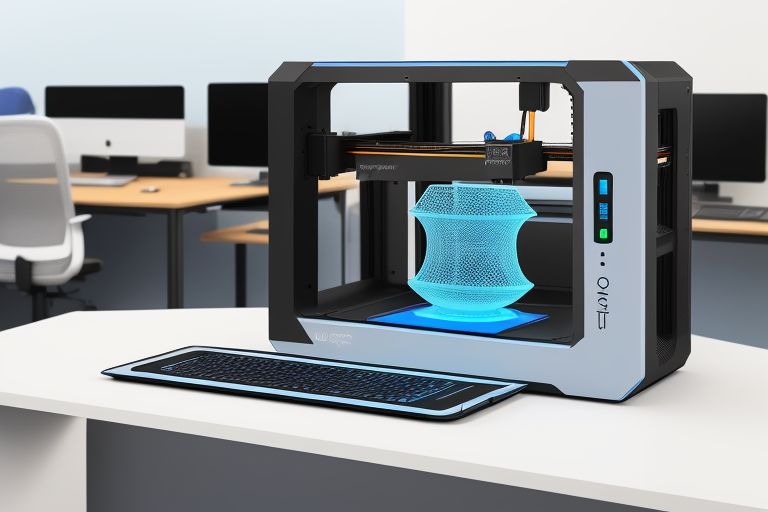
3D printing has revolutionized the way we think about design, innovation, and manufacturing. Once a niche technology used primarily for prototyping, it has now become an accessible tool for engineers, designers, and even hobbyists looking to create functional gadgets for everyday use. But designing functional 3D printed gadgets isn’t as simple as hitting “print.” It requires an understanding of materials, design principles, and even real-world application testing. This guide will take you through everything you need to know to create 3D-printed gadgets that not only look great but actually work in real-life scenarios.
Understanding 3D Printing Technology
To create something truly functional, you first need to understand the fundamentals of 3D printing. There are multiple types of 3D printing technologies, but the most commonly used ones include Fused Deposition Modeling (FDM), Stereolithography (SLA), and Selective Laser Sintering (SLS). FDM is the go-to for most hobbyists and small-scale businesses because of its affordability and ease of use. SLA, on the other hand, provides high-detail prints, making it ideal for intricate gadgets. Meanwhile, SLS allows for the creation of durable parts without the need for support structures, making it excellent for industrial applications.
Material selection plays a crucial role in determining the functionality of a gadget. PLA (Polylactic Acid) is commonly used because it’s easy to print and biodegradable, but it’s brittle and not suited for heavy use. ABS (Acrylonitrile Butadiene Styrene) is stronger and more heat-resistant, making it ideal for durable gadgets. If you need flexibility, TPU (Thermoplastic Polyurethane) is the way to go. Metals, such as stainless steel and titanium, are also being used in advanced applications, but they require specialized printers.
The Science Behind Designing Functional Gadgets
Designing a functional gadget starts with identifying the problem it aims to solve. Whether it’s a tool for woodworking, an ergonomic keyboard, or an assistive device for daily tasks, the design must prioritize usability. According to a study published in ArXiv on customizable 3D-printed input devices, “FlexKeys allows users to quickly design and print tactile input devices without assembly, significantly reducing production time.” (Source). This highlights how user-centered design can create practical solutions using 3D printing.
Ergonomics plays a huge role in functional design. A gadget should feel natural in the user’s hands and be intuitive to operate. For instance, in woodworking, customized clamps or guides printed using SLS technology can make complex tasks much easier. A practical example of this can be seen in Instructables’ guide on “3D Printed Gadgets for Woodworking,” which explores how 3D printing can create precision tools for carpenters. (Source)
Another critical factor is structural integrity. A gadget that looks great but falls apart under minor pressure is useless. Design elements like reinforced joints, optimized infill patterns, and strategically placed support structures can enhance durability. For example, the Ploopy open-source trackpad uses a 3D-printed frame designed for both durability and customization. (Source)
The Design Process: From Concept to Reality
Every great 3D-printed gadget begins with an idea, but turning that idea into a tangible product requires a structured design process. The first step is ideation and concept development, where brainstorming and research help refine the gadget’s purpose. Next, 3D modeling software like Fusion 360, SolidWorks, or Tinkercad is used to create digital blueprints of the gadget. Each software has its strengths—Fusion 360 is excellent for mechanical parts, while Tinkercad is user-friendly for beginners.
Prototyping is a key phase where test prints are created and evaluated. Many designers go through multiple iterations to tweak aspects like ergonomics, fit, and performance. A great example is Michigan State University’s development of a 3D-printed helmet insert designed to reduce crowd noise for quarterbacks, proving how 3D printing can be used for practical, real-world problem-solving. (Source)
Real-World Applications and Case Studies
The power of 3D printing extends beyond hobbyist projects. There are real-world examples where 3D-printed gadgets have made a significant impact. For instance, Lotus designed a 3D-printed concept for its Theory 1 supercar, proving that even the automotive industry sees the potential of rapid prototyping and functional part manufacturing. (Source)
Another fascinating example is the development of a futuristic 3D-printed caravan featuring solar panels and hidden high-tech compartments. The ability to integrate 3D-printed components into such an advanced structure shows how functional design and 3D printing go hand in hand. (Source)
One of the most exciting innovations in recent years is AI-designed footwear. The world’s first AI-designed shoe, which is 3D-printed to match an individual’s foot specifications, is revolutionizing comfort and customization in footwear. (Source)
Overcoming Challenges in 3D Printing Functional Gadgets
Despite its advantages, 3D printing comes with challenges. Material limitations, print resolution, and post-processing requirements can all impact the final product. For example, some prints require sanding or resin coating to achieve a smooth finish. Additionally, complex designs may require support structures that need to be carefully removed without damaging the gadget.
Cost is another factor to consider. While 3D printing has become more affordable, high-quality materials and advanced printers can still be expensive. That said, the long-term savings and ability to customize make it worthwhile for many designers and businesses.
The Future of Functional 3D-Printed Gadgets
As technology advances, 3D printing is set to become even more sophisticated. AI-driven design automation is making it easier to generate optimized structures that balance weight, strength, and material usage. New materials, such as biodegradable composites and high-performance polymers, are expanding the possibilities for functional gadgets.
Industries from healthcare to aerospace are already leveraging 3D printing for practical applications. From custom prosthetics to lightweight aircraft components, the potential is limitless. With the rise of decentralized manufacturing, we may soon see a world where consumers can download and print their own products instead of purchasing them from a store.
Final Thoughts
Designing functional 3D-printed gadgets requires a blend of creativity, engineering, and problem-solving skills. By understanding materials, embracing ergonomic design, and refining prototypes through iteration, anyone can create gadgets that serve a real purpose. The examples mentioned in this guide prove that 3D printing is not just for hobbyists—it’s a transformative technology shaping industries and everyday life. Whether you’re designing the next big innovation or simply creating a useful tool for your workspace, the possibilities with 3D printing are truly endless.

Sources
- 3D Printed Gadgets for Woodworking
- FlexKeys: Rapidly Customizable 3D Printed Tactile Input Devices with No Assembly Required
- Ten 3D Printed Gadgets That Just Can’t Stay Still
- How to Design Functional Parts with 3D Printing
- Oh no, I need a 3D printer now
- Ploopy’s 3D-printed, open-source trackpad is thoroughly customizable
- Michigan State engineering prof, student design helmet inserts to help drown out crowd noise for QBs
- The Lotus Theory 1 Supercar Is a 3-Seat, 200mph EV Inspired by the Iconic Esprit
- Inside ‘futuristic’ caravan featuring solar panels, secret bathroom and hidden high-tech computer
- World’s first AI-designed shoe is 3D-printed to your foot’s specifications: ‘The best fit you can possibly get’
Disclaimer:
The views and opinions expressed in this post are solely those of the author. The information provided is based on personal research, experience, and understanding of the subject matter at the time of writing. Readers should consult relevant experts or authorities for specific guidance related to their unique situations.