
1,214 words, 6 minutes read time.
Are you ready to embark on a journey into one of the most unique and rewarding hobbies out there? Amateur radio, also known as “ham radio,” is a fascinating pastime that connects people worldwide, provides valuable communication resources in emergencies, and even lets you explore the frontiers of technology—all from the comfort of your own home. In this comprehensive guide, we’ll break down what amateur radio is, how to get started, and the endless possibilities it offers for learning, communicating, and connecting. Whether you’re new to the concept or a seasoned enthusiast, there’s something here for everyone.
What is Amateur Radio?
Amateur radio is a form of communication that allows licensed users, called “hams,” to broadcast over designated radio frequencies to connect with people across the globe. Unlike other forms of radio communication, amateur radio is open for personal experimentation, meaning anyone with an amateur radio license can explore and experiment with different radio setups and communication techniques.
In essence, ham radio serves as a playground for tech lovers, communicators, and adventurers alike. It has been around since the early 20th century and remains popular today due to its versatility and unique applications in areas like emergency response, digital communication, and even satellite tracking.
How Does Amateur Radio Work?
To operate an amateur radio, you need two things: a radio and a license. The radio transmits and receives signals on different frequencies that are designated specifically for amateur use. These frequencies are part of the larger electromagnetic spectrum, reserved by international agreement. Unlike commercial radio, where only broadcasters speak to a large audience, amateur radio allows two-way communication, letting you converse with people directly.
Hams use various types of equipment, including handheld radios, base stations, and antennas, to communicate over different distances. Some signals travel across town, while others can reach halfway around the globe, depending on equipment setup and atmospheric conditions.
Why Do People Get Into Amateur Radio?
People are drawn to amateur radio for many reasons, including:
- Community and Communication: Amateur radio allows you to connect with others who share similar interests. From discussing new technology to exchanging tips, ham radio opens doors to a vibrant global community.
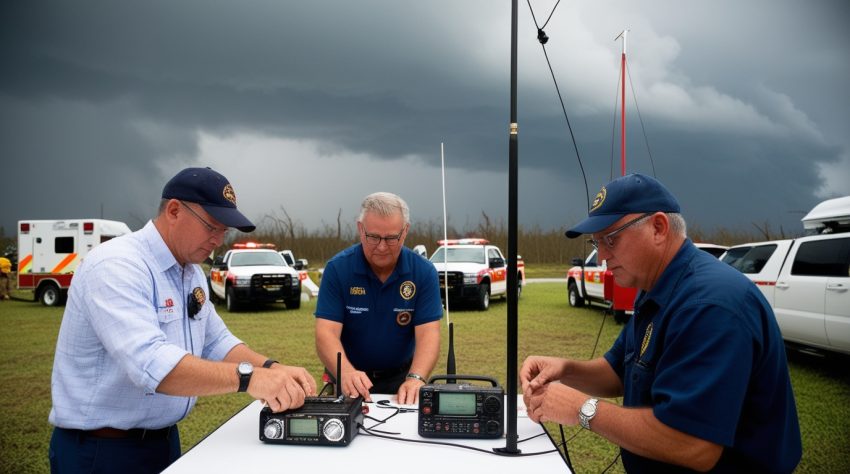
- Emergency Preparedness: In times of natural disasters, when cell towers are down, and internet services are out, amateur radio often remains functional. Ham radio operators have a proud history of aiding in emergency response efforts.
- Technical Experimentation: Ham radio is a haven for tech enthusiasts. Whether experimenting with new antenna designs, integrating digital systems, or creating portable setups, amateur radio allows for a lot of innovation.
- Skill Development: Learning radio technology, signal propagation, and electrical theory are just a few of the technical skills you’ll pick up. It’s a hands-on way to apply science and technology.
- Adventuring into Space Communication: Some amateurs even communicate with astronauts on the International Space Station or work with satellites in low-earth orbit, giving them a taste of space exploration.
Getting Started with Amateur Radio
If you’re new to the world of amateur radio, here’s a step-by-step guide to help you get started:
1. Learn the Basics
Before diving in, take some time to understand the core concepts of amateur radio. Some excellent online resources include the American Radio Relay League (ARRL) at www.arrl.org and Radio Society of Great Britain (RSGB) at www.rsgb.org. Both provide introductory material, guides, and community support.
2. Study for the Licensing Exam
In most countries, you need a license to legally operate a ham radio. The licensing process varies depending on your location, but it generally involves studying for an exam that covers basic electronics, radio regulations, and operating procedures. The ARRL offers a Technician Class licensing manual, which is a great starting point for beginners.
3. Join a Local Club
Amateur radio clubs are invaluable for newcomers. They offer mentorship, hands-on experience, and often hold classes for beginners. You can find local clubs through the ARRL website or by searching online.
4. Choose Your Equipment
You don’t need to break the bank to get started. A simple handheld transceiver (HT) can be purchased for under $50 and allows you to communicate locally. For broader communication, a base station or mobile transceiver with a more powerful antenna may be more appropriate.
5. Explore the Bands
Each amateur radio frequency band has its own characteristics. VHF (Very High Frequency) bands are ideal for local communication, while HF (High Frequency) bands are better suited for long-distance communication, especially during the evening when atmospheric conditions improve.
Tips for Making Your First Contact
Starting your first on-air conversation can be intimidating. Here are some tips:
- Listen First: Tune in to an ongoing conversation to get a feel for how hams communicate. This will help you understand the etiquette and protocols.
- Start with “CQ”: The term “CQ” is a call used to indicate that you’re open to conversation. Try saying, “CQ, CQ, this is [Your Call Sign], calling CQ and listening.”
- Keep it Short and Simple: Especially when first starting out, focus on short, polite exchanges. Introduce yourself, and don’t worry if you’re a bit nervous—most hams are welcoming and happy to talk to beginners.
The Role of Amateur Radio in Emergencies
One of the most meaningful applications of amateur radio is emergency communication. From hurricanes to earthquakes, amateur radio operators often play a vital role when traditional communication systems are down. In 2017, hams helped coordinate disaster relief efforts during Hurricane Maria in Puerto Rico. According to the ARRL, amateur radio served as the main form of communication for weeks in areas where the entire communication infrastructure had been destroyed (source).
Amateur radio’s reliability and reach make it an invaluable tool for emergency responders, who rely on it for backup communication and coordination during disasters.
The Thrills of Digital Modes in Ham Radio
Modern amateur radio is much more than voice communication. Thanks to technology, hams can send text, images, and data. Digital modes like FT8, RTTY, and PSK31 allow hams to communicate without speaking, using software to send and receive data across radio waves. This has been a game-changer, especially in regions where language barriers exist, and for those who may not be comfortable with traditional voice communication.
Some digital modes are incredibly efficient, able to decode signals barely above the noise floor, which is invaluable for long-distance, low-power communications.
Taking Amateur Radio to Space
One of the most exciting developments in amateur radio is its connection to space. Through organizations like AMSAT, amateur satellites are accessible to hams. These “hamsats” allow for voice and data communication in low-Earth orbit. If you’re fortunate, you might even make contact with the International Space Station (ISS), as some astronauts hold amateur licenses and enjoy chatting with ground stations.
Conclusion: Why Ham Radio Remains Relevant Today
Despite the internet and smartphones, amateur radio continues to thrive because it offers something unique: an unfiltered, community-driven, and educational experience that’s difficult to find elsewhere. The opportunities for learning, community engagement, and experimentation keep ham radio relevant, whether you’re a beginner or an expert.
If you’re ready to dive into the world of amateur radio, know that it’s a journey of endless discovery. Grab a radio, join a club, and let the world of amateur radio show you how big the world can be, even from your own backyard.
