
1,008 words, 5 minutes read time.
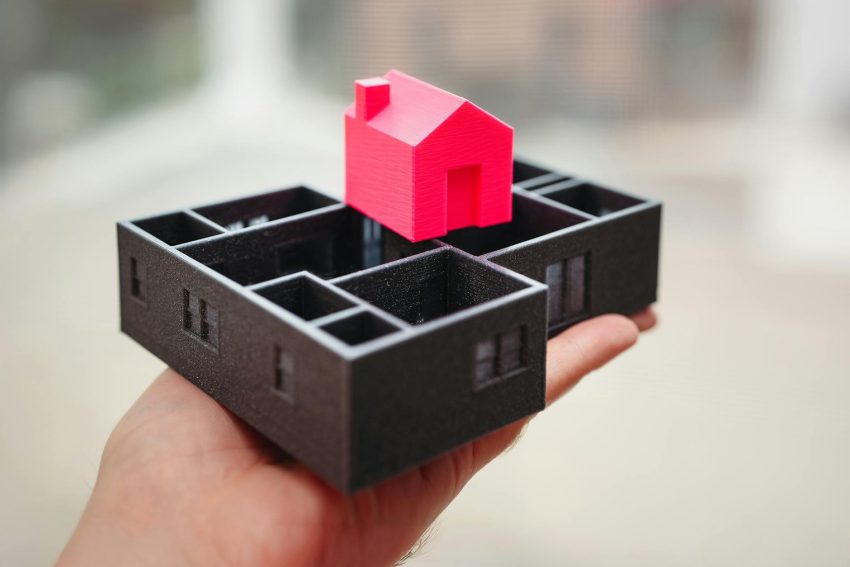
In recent years, the idea of 3D printed houses has moved from the realm of science fiction to a tangible and groundbreaking technology with the potential to reshape the construction industry. As the world grapples with rapid urbanization, housing shortages, and environmental concerns, 3D printed homes offer a promising solution that could address many of these challenges. Let’s explore how this innovative technology works, the benefits it brings, and the potential it holds for the future of housing.
How 3D Printed Houses Work
At the core of 3D printed homes is a technology called additive manufacturing. This process involves using a 3D printer to layer materials—typically a special concrete or cement mix—into precise shapes, building up walls and structural components one layer at a time. The printer is controlled by a computer-aided design (CAD) model that defines the structure’s dimensions and design. The printer follows these blueprints, depositing material layer by layer, creating a solid, durable structure.
While the 3D printing technology used for houses differs from traditional construction methods, the basic principle remains the same: start from the ground up. However, instead of using bricks, steel, or wood, the printer deposits a specific material that hardens as it is layered, creating walls, floors, and even roofing structures. This allows for faster, more customizable construction processes.
Benefits of 3D Printed Homes
- Speed and Efficiency One of the most significant advantages of 3D printed houses is the speed at which they can be built. Traditional construction methods can take several months or even years to complete, depending on the project size. With 3D printing, however, homes can be built in a matter of days—sometimes even within 24 hours. This speed not only reduces labor costs but also speeds up the delivery of housing in areas where there’s an urgent need for shelter.
- Cost-Effectiveness 3D printing can drastically lower the costs associated with building a home. Because the process is automated, the need for large labor forces is minimized, and the cost of materials can be reduced. Additionally, since the printer uses less material than conventional construction methods, there is less waste. The savings can be significant, making housing more affordable for people in developing countries or those struggling with housing insecurity.
- Design Flexibility Traditional construction often limits design options due to the need for standardized materials and construction methods. 3D printing, on the other hand, allows for highly customized designs. Complex and unconventional structures, such as curved walls or intricate architectural features, can be created with ease, providing greater freedom to architects and homeowners alike.
- Environmental Impact The construction industry is one of the largest contributors to carbon emissions and environmental degradation. 3D printing addresses some of these concerns by using sustainable materials that are more eco-friendly than traditional construction products. Additionally, because 3D printing reduces material waste, it minimizes the environmental footprint. Some companies are even experimenting with recycled materials, such as plastics or biodegradable substances, to further lower the environmental impact.
- Durability and Strength 3D printed houses are designed to be robust and resilient. The materials used in the printing process, such as concrete or composite mixtures, are often stronger than conventional building materials. Furthermore, the additive manufacturing process allows for more precise control over the strength and density of the structures, which can be particularly beneficial in areas prone to natural disasters such as earthquakes or floods.
Challenges Facing 3D Printed Homes
Despite the numerous benefits, 3D printed houses still face several hurdles. One of the primary concerns is regulation and building codes. The technology is still relatively new, and many regions lack established guidelines for 3D printed construction. Governments will need to adapt and develop regulations that ensure these homes meet safety standards and quality control.
Another challenge is the initial cost of the 3D printing technology itself. While the cost of construction per house can be lower, the machinery and materials required for 3D printing are still expensive. However, as the technology evolves and becomes more widespread, these costs are likely to decrease.
Finally, scalability is an issue. While a 3D printer can quickly produce small homes, creating larger buildings or multi-story structures presents a more complex challenge. As the technology continues to improve, however, it is likely that the scale and versatility of 3D printing in construction will expand.
The Future of 3D Printed Homes
Looking ahead, the future of 3D printed houses seems incredibly promising. Several pilot projects around the world have already demonstrated the potential of this technology, and in some areas, 3D printed homes are already being sold or used as temporary shelters in disaster-stricken zones. Companies are working to refine the technology, making it more accessible and scalable.
One exciting development is the potential for 3D printed homes to address the global housing crisis. With millions of people worldwide living in inadequate housing, 3D printed homes could provide fast, affordable solutions for those in need. Whether in developing nations or for people in need of emergency housing after natural disasters, this technology could become an essential tool in alleviating housing shortages.
Additionally, the integration of sustainable practices, such as using recycled materials or low-energy processes, could help the construction industry reduce its carbon footprint and contribute to greener cities. As more countries adopt 3D printing in their construction industries, we may also see advancements in urban planning, allowing for the creation of entire neighborhoods or even cities built using this technology.
Conclusion
3D printed houses are not just a futuristic concept—they are already being realized and changing the way we think about construction. From faster building times and lower costs to innovative designs and environmental benefits, the potential of this technology to revolutionize housing is immense. As the technology matures and more stakeholders embrace its possibilities, 3D printed homes could become a cornerstone of sustainable, affordable housing solutions for the 21st century.
The future is looking bright for 3D printed houses, and it’s exciting to imagine how this technology will continue to shape our cities and homes in the years to come.
