
919 words, 5 minutes read time.
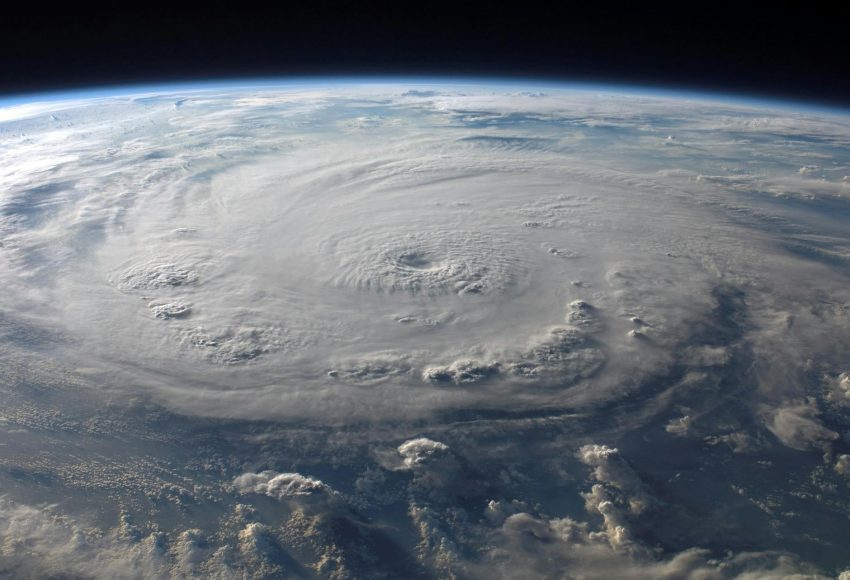
When disaster strikes, most people think of first responders rushing into danger or volunteers distributing food and water. But there’s another group that plays a crucial role in times of crisis: amateur radio operators. Recently, during Hurricanes Milton and Helene, these unsung heroes stepped up to provide communication when it was needed most. Their dedication and quick thinking highlight the incredible power of community and the importance of being prepared for the unexpected.
Hurricanes are a fact of life for many living along the Gulf and Atlantic coasts. They can bring devastating winds, torrential rains, and catastrophic flooding, which often leads to communication breakdowns. In times like these, cell towers can fail, and power outages can leave families cut off from the outside world. This is where amateur radio, often referred to as “ham radio,” comes into play. These operators have the skills and equipment to communicate across vast distances, even when traditional methods fail.
One of the most compelling stories from Hurricane Helene involves a young operator named Benji Martin. At just 15 years old, Benji had aspirations of reaching the International Space Station through his amateur radio skills. However, when Helene approached, he found himself in a completely different role. On the night before the hurricane, Benji began receiving reports of severe damage and understood that lives were at stake.
Armed with his radio, he worked tirelessly to relay damage reports and coordinate communication for emergency services. Imagine a teenager, huddled in his room, surrounded by equipment, channeling vital information while the storm raged outside. From 3 a.m. to 6 a.m., he kept the lines of communication open, ensuring that emergency crews had the information they needed to help those in peril. This wasn’t just a hobby for Benji; it was a mission.
As the storm passed, he didn’t rest. Benji took it upon himself to conduct welfare checks on families who had lost contact during the chaos. With cell service down, he was a lifeline for many, connecting families and helping them through their darkest hours. His efforts didn’t just stop there; he also launched an initiative at his high school to recruit fellow students to become licensed emergency radio operators. By doing this, Benji not only empowered himself but also inspired his peers to get involved and be prepared for future emergencies.
Another notable story comes from Thomas Witherspoon, who experienced the aftermath of Hurricane Helene firsthand. As he assessed the damage to his home, he quickly realized that communication was vital to coordinate recovery efforts. Like Benji, Witherspoon used his amateur radio skills to reach out to neighbors and coordinate support. He became a beacon of hope in his community, showing how one person’s actions can spark a collective effort to help others.
The stories of Benji and Thomas exemplify the heart of the amateur radio community. They are ordinary people who have taken the time to learn valuable skills, and when the situation calls for it, they rise to the occasion. They remind us that anyone can make a difference, and it often starts with a willingness to serve.
Beyond individual stories, the broader impact of amateur radio during these hurricanes is impressive. Organizations like the Hurricane Watch Net and the VoIP Hurricane Net were activated during both storms. These networks allowed operators across the nation to share critical updates and information, enabling relief agencies to respond more effectively. The collaborative spirit within the amateur radio community is palpable; operators from all over came together, each contributing their unique skills and resources to aid in recovery efforts.
The importance of amateur radio in disaster response cannot be overstated. In situations where every second counts, these operators can provide vital information to emergency services, helping to prioritize where assistance is most urgently needed. They serve not just as communicators but as trusted sources of information, which can be critical in a fast-changing situation.
As we reflect on the contributions of amateur radio operators during Hurricanes Milton and Helene, it’s essential to consider the future. More people are discovering the joy of ham radio, and communities are recognizing its value. Training programs are becoming more accessible, and local amateur radio clubs are welcoming newcomers with open arms. This growing interest is crucial as we face the realities of climate change and increasing natural disasters.
Imagine a world where every community has a network of trained amateur radio operators ready to spring into action when disaster strikes. The more individuals who learn these skills, the more resilient our communities will become. The amateur radio community fosters not only technical knowledge but also camaraderie and a sense of responsibility toward one another.
If you’re interested in joining this vital network, getting started is easier than you might think. Local amateur radio clubs often offer classes to help you prepare for the licensing exam, and the equipment required can be quite affordable. You don’t need to be a tech wizard; many operators come from diverse backgrounds, each bringing their unique skills to the table.
In conclusion, the stories of Benji Martin, Thomas Witherspoon, and countless others demonstrate the incredible power of amateur radio during times of crisis. These operators serve as critical links in communication chains when everything else fails. They embody the spirit of community resilience and selfless service. So, whether you’re a seasoned operator or someone simply intrigued by the idea of ham radio, consider getting involved. You might just find that you can make a difference in your community when it matters most.
