
1,221 words, 6 minutes read time.
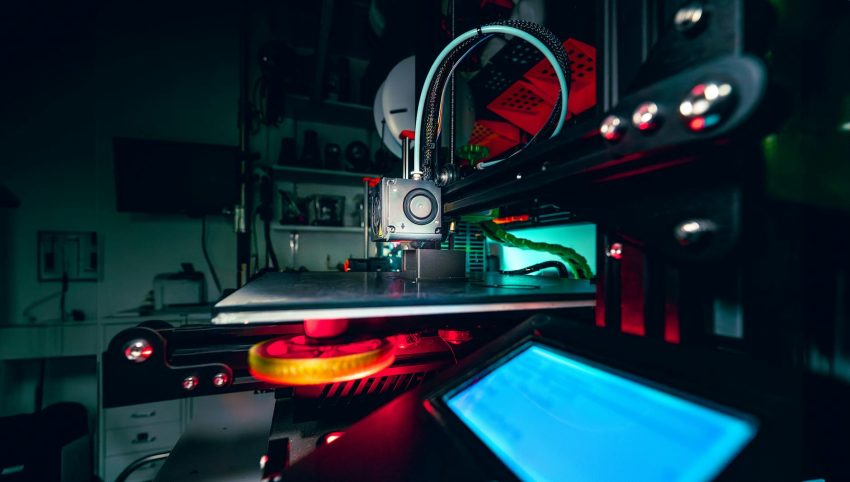
For amateur radio enthusiasts (or “hams”), the thrill of building, tweaking, and experimenting with radio gear is at the heart of the hobby. From antennas to enclosures, ham radio is about more than just talking across the globe—it’s about hands-on creation, problem-solving, and innovation. With the rise of 3D printing, this DIY spirit is reaching new heights. 3D printing allows amateur radio operators to design, print, and perfect parts that were previously difficult, expensive, or even impossible to source.
Let’s dive into how 3D printing enhances amateur radio projects and why these two hobbies are a match made in heaven.
Custom Components at Your Fingertips
One of the biggest advantages of 3D printing is the ability to create custom parts. In the past, amateur radio operators would often have to settle for commercially available components that may not fit their exact needs or dimensions. With 3D printing, you can design and manufacture bespoke parts tailored to your specific requirements.
For example, many hams struggle with finding or modifying enclosures to fit their radio gear perfectly. A 3D printer allows you to custom-design cases for radios, power supplies, and other equipment, ensuring a perfect fit every time. Additionally, you can print specialized mounts, brackets, and knobs—essential pieces for assembling antennas or positioning your equipment just right.
Antenna Innovation: Unlocking New Possibilities
The antenna is the lifeblood of any radio operator’s setup, and it’s no surprise that 3D printing is transforming the way antennas are designed and built. Antennas require specific geometries and mechanical stability, and the precision of 3D printing makes it an ideal tool for creating these intricate structures.
Hams can now experiment with complex antenna designs—like Yagi antennas, log-periodic arrays, or even compact portable antennas—by printing their components. Additionally, creating mounts, insulators, or baluns (balanced-unbalanced transformers) becomes a much simpler process when you can print them in precise dimensions. Imagine creating lightweight, durable antenna parts that meet your exact specifications without needing to search for obscure or costly commercial products.
A good example is the 3D-printed coil formers for making air-core inductors used in high-frequency (HF) antennas. Such parts are nearly impossible to find, but with 3D printing, you can build a highly efficient antenna with customized inductors. This flexibility to experiment leads to a more tailored experience and enhanced performance in communication.
Rapid Prototyping and Experimentation
Amateur radio enthusiasts are natural tinkerers. Whether you’re working on improving signal quality or developing a new transmitter, experimenting is a major part of the hobby. 3D printing allows you to quickly prototype new ideas and test them without a long turnaround time.
For example, you could be working on a portable radio kit and need a custom chassis. Rather than waiting days or weeks for a custom order, you can design the part in a few hours and have it printed the same day. This rapid prototyping speeds up the experimental process, allowing you to focus more on your radio project and less on waiting for parts.
This capability also empowers users to create multiple iterations of a design. If your first attempt at a custom part doesn’t quite fit or work as intended, you can quickly revise your 3D model and print a new one. This iterative process aligns perfectly with the amateur radio culture of continual improvement and customization.
Affordable Solutions for Rare or Expensive Parts
In amateur radio, specialized parts and tools can sometimes be expensive, rare, or discontinued altogether. Vintage radios, for instance, often require components that are no longer in production. If you’re lucky enough to find these parts, they might cost a small fortune. Enter 3D printing.
With a 3D printer, you can produce replacements for rare parts at a fraction of the cost. Even better, you can print parts that are made-to-order and tailored specifically for your vintage equipment. Whether it’s knobs, dials, spacers, or insulators, 3D printing gives you the ability to manufacture components that are otherwise impossible to find.
For those working on high-frequency or high-power systems, it’s crucial to ensure materials are both durable and non-conductive. With the wide variety of 3D printing filaments available today, you can choose materials that offer the necessary insulation or heat-resistance required for such demanding environments. ABS, PETG, and nylon filaments are excellent options for rugged, weather-resistant parts used in outdoor antennas and field operations.
Enhancing Field Operations and Portable Setups
For many hams, the ability to operate their radio setup remotely—whether it’s on a mountaintop, at a field day event, or during emergency communications—is a core part of the hobby. These field operations often require lightweight, portable, and sometimes collapsible equipment. Once again, 3D printing steps up to the plate.
3D printers allow you to create compact, portable enclosures and foldable antenna mounts that can easily fit into a backpack. The ability to print modular designs means you can build gear that disassembles into smaller pieces, making it ideal for transportation. For instance, you can print a telescoping antenna that collapses down for easy storage but expands when in use. Custom connectors, spacers, and strain relief parts for cables can also be printed, ensuring your portable setup is secure and reliable.
Moreover, hams who engage in satellite communications or summits on the air (SOTA) activities often require specialized equipment that is difficult to find. 3D printing enables these enthusiasts to build highly specific, lightweight devices for their needs, such as compact rotator mounts or special antenna alignment tools for tracking satellites.
Sharing Designs with the Community
One of the most exciting aspects of 3D printing is the ability to share your designs with the broader amateur radio community. Thanks to online platforms like Thingiverse and Printables, ham operators from around the world are uploading their 3D models for others to download and print. This collaborative spirit echoes the core principles of amateur radio—sharing knowledge and fostering innovation.
Perhaps you’ve designed a custom microphone holder or a clever cable management system. By sharing your design files with the community, you’re contributing to the collective knowledge base, helping other operators solve similar challenges. In turn, you can download and benefit from others’ designs, creating a cycle of continuous improvement across the amateur radio landscape.
This open-source culture allows everyone to benefit from the best solutions out there, making amateur radio more accessible and enjoyable for newcomers and seasoned hams alike.
Conclusion: The Future of Amateur Radio and 3D Printing
In the ever-evolving world of amateur radio, 3D printing has opened up exciting new possibilities. From custom components to rapid prototyping, field operations, and the ability to share innovations, this technology is empowering hobbyists like never before. What’s more, as 3D printing continues to improve in terms of speed, material quality, and affordability, the synergy between these two hobbies will only grow stronger.
For those who are passionate about amateur radio and have a knack for DIY projects, investing in a 3D printer could be the best decision you make. Not only will it give you greater control over your projects, but it will also allow you to push the boundaries of what’s possible with your radio setup.
So, if you’re a ham radio enthusiast and haven’t yet explored 3D printing, now is the perfect time. Dive in, start designing, and see how this innovative tool can enhance your radio adventures!
