
1,391 words, 7 minutes read time.
In today’s rapidly evolving world, where technology permeates every aspect of our lives, fostering a deep understanding of STEM—Science, Technology, Engineering, and Math—has never been more crucial. But let’s face it: traditional STEM education can sometimes feel dry or disconnected from real-world applications. Enter amateur radio, a hobby that’s not only fun but also a powerful tool for hands-on learning and exploration in the STEM fields.
Amateur radio, or “ham radio” as it’s affectionately known, offers a unique blend of science, technology, and communication that can captivate young minds and provide a gateway to a lifetime of learning and innovation. Whether you’re a parent, educator, or simply a curious reader, this post will explore how amateur radio can be an invaluable resource in STEM education.
The Hands-On Nature of Amateur Radio
One of the most compelling aspects of amateur radio is its hands-on nature. Unlike theoretical lessons that can sometimes fail to engage students, amateur radio offers real-world applications that bring STEM concepts to life. When students learn about frequencies, wave propagation, and electronics through the lens of amateur radio, they’re not just reading about these concepts—they’re seeing them in action.
Imagine a student building their own radio transmitter. As they assemble the components, they’re learning about electrical circuits, soldering, and the physics of radio waves. When they power up their creation and successfully communicate with someone across the world, the excitement is palpable. This isn’t just abstract knowledge—it’s learning with immediate, tangible results.
Moreover, the iterative process of building, testing, and troubleshooting in amateur radio mirrors the engineering design process. It teaches students to approach problems methodically, think critically, and understand that failure is often just a step towards success. These are essential skills not only in STEM but in any problem-solving scenario they’ll encounter in life.
Real-World Applications and Problem Solving
Amateur radio isn’t just about talking to people across the globe—it’s a tool for problem-solving and innovation. In STEM education, the ability to apply theoretical knowledge to solve real-world problems is key. With amateur radio, students can experiment with different frequencies, antenna designs, and communication modes, each presenting its own set of challenges and learning opportunities.
For instance, setting up a radio station involves not just technical knowledge, but also spatial reasoning (where to place the antenna), understanding of environmental factors (how weather affects signal strength), and even some math (calculating the best frequencies for different conditions). This multifaceted approach helps students see the interconnectedness of different STEM disciplines.
Additionally, the global nature of amateur radio provides a context for learning about geography, meteorology, and even social studies. When students make contact with operators in different countries, they can learn about those regions’ climates, cultures, and histories, enriching their understanding of the world.
Fostering Creativity and Innovation
STEM isn’t just about solving existing problems—it’s also about creating new possibilities. Amateur radio fosters this spirit of innovation by encouraging students to experiment and explore. From designing and building their own antennas to developing new communication methods, students are constantly challenged to think creatively.
Consider digital modes of communication in amateur radio, such as FT8 or PSK31. These modes require not only an understanding of traditional radio principles but also knowledge of computer programming and digital signal processing. Students can write their own code, experiment with algorithms, and even develop new software, all within the framework of amateur radio.
This intersection of radio technology and computer science is particularly valuable in today’s tech-driven world. It opens the door to fields like software development, cybersecurity, and data science, providing a robust foundation for future careers.
Encouraging Collaboration and Communication
Amateur radio is inherently a social hobby. Whether it’s through local clubs, online forums, or global contests, amateur radio operators are constantly communicating, collaborating, and sharing knowledge. This collaborative aspect is invaluable in STEM education, where teamwork and communication skills are just as important as technical knowledge.
When students work together on a radio project—whether it’s building a transmitter, participating in a contest, or setting up a school station—they learn to communicate effectively, delegate tasks, and leverage each other’s strengths. These are essential skills in any STEM career, where complex projects often require multidisciplinary teams to work together seamlessly.
Moreover, the international nature of amateur radio exposes students to different cultures and perspectives, fostering a sense of global citizenship. This is particularly important in a world where science and technology are increasingly global endeavors.
Amateur Radio and Emergency Preparedness
One of the most important real-world applications of amateur radio is its role in emergency communication. When traditional communication networks fail—whether due to natural disasters, power outages, or other crises—amateur radio operators can step in to provide critical communication links. This aspect of amateur radio provides a powerful lesson in the real-world importance of STEM knowledge.
Incorporating emergency communication drills into STEM education through amateur radio teaches students about resilience, adaptability, and the importance of being prepared. It also offers lessons in ethics and responsibility, as students learn how their technical skills can be used to help others in times of need.
This aspect of amateur radio can be particularly engaging for students interested in public service, disaster response, or even careers in law enforcement or the military. It shows them that STEM isn’t just about building things—it’s about making a difference.
Inspiring the Next Generation of STEM Professionals
Perhaps the most significant impact of amateur radio in STEM education is its ability to inspire. For many students, their first experience with amateur radio is a spark that ignites a lifelong passion for science and technology. Whether they go on to become engineers, scientists, or simply hobbyists with a deep understanding of STEM principles, the skills and knowledge they gain through amateur radio will serve them well throughout their lives.
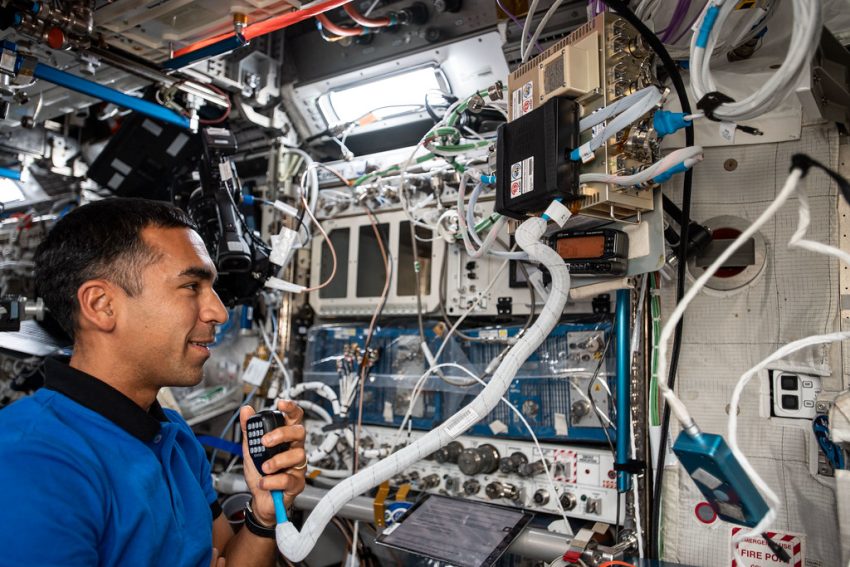
Amateur radio also has a long history of inspiring some of the world’s leading scientists and engineers. Many NASA astronauts, for example, got their start in amateur radio, and the skills they developed as young operators played a key role in their careers. By integrating amateur radio into STEM education, we can help nurture the curiosity and creativity that are the hallmarks of innovation.
Moreover, the inclusive nature of amateur radio—where anyone, regardless of age, background, or education, can participate—makes it an excellent tool for reaching students who might not otherwise be engaged in STEM. It shows them that science and technology are not just for “whiz kids” but for anyone with curiosity and a willingness to learn.
How to Get Started with Amateur Radio in STEM Education
If you’re an educator or a parent looking to incorporate amateur radio into your STEM curriculum, there are many resources available to help you get started. Local amateur radio clubs are often eager to work with schools and youth organizations, offering equipment, expertise, and even hands-on workshops. The American Radio Relay League (ARRL) and other organizations also provide educational materials, lesson plans, and support for educators.
One great way to introduce students to amateur radio is through a school-based radio club. These clubs can provide a structured environment for learning and experimentation, as well as opportunities for students to earn their amateur radio licenses. Many schools have successfully integrated amateur radio into their STEM programs, and the results have been overwhelmingly positive.
Another approach is to integrate amateur radio into existing STEM subjects. For example, a physics teacher might use amateur radio to teach principles of electromagnetism, while a computer science teacher might explore digital communication modes. The possibilities are endless, and the hands-on nature of amateur radio makes it a perfect complement to traditional STEM education.
Conclusion
Amateur radio offers a unique and powerful tool for STEM education. By providing hands-on experience, fostering creativity and innovation, and teaching real-world problem-solving skills, it can inspire the next generation of scientists, engineers, and technologists. Whether through building projects, emergency communication drills, or global contests, amateur radio opens up a world of possibilities for students, making STEM not just something they learn about in the classroom, but something they experience, explore, and ultimately, excel in.
So, if you’re looking for a way to supercharge your STEM curriculum, consider giving amateur radio a try. It’s a gateway to a world of learning, adventure, and discovery that can ignite a lifelong passion for science and technology.
