
1,090 words, 6 minutes read time.
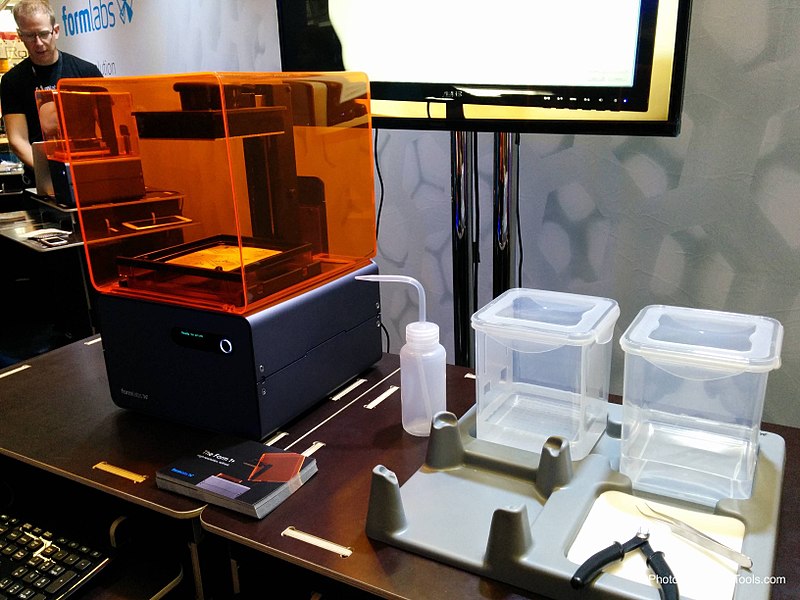
If you’re diving into the world of SLA (Stereolithography) 3D printing, you’re probably excited about the incredible detail and precision this technology offers. Whether you’re creating intricate models, prototypes, or just experimenting with new designs, SLA printing opens up a world of possibilities. However, as you may already know, working with resin can come with some challenges—particularly when it comes to dealing with fumes. Resin 3D printing isn’t just about setting up the printer and pressing a button; it requires a careful understanding of the materials involved, especially in terms of health and safety. In this blog post, we’ll discuss the importance of dealing with SLA resin fumes and how to manage them effectively to ensure your workspace remains safe and comfortable.
SLA 3D printers use liquid resin, which is cured layer by layer using a UV light source to form a solid object. While this technology allows for stunning detail and accuracy, the resin itself can pose some risks. The fumes produced during the printing process contain volatile organic compounds (VOCs) and other harmful chemicals. When inhaled, these fumes can cause a range of health issues, from mild irritation to more severe respiratory problems. Prolonged exposure to resin fumes without adequate ventilation can also lead to long-term health concerns. For this reason, understanding the risks and taking appropriate measures to mitigate them is crucial.
To fully grasp why resin fumes can be hazardous, it’s important to understand the composition of SLA resin. These resins are typically made of a mixture of photopolymerizable materials, including acrylates and methacrylates. When exposed to UV light, these chemicals undergo a chemical reaction, turning from a liquid to a solid state. However, during this process, they can release VOCs and other harmful substances into the air. The level of toxicity can vary depending on the type of resin used and the amount of exposure. Some resins may emit more fumes than others, but all resins require proper handling to ensure safety.
Before you start printing, it’s essential to set up your workspace to minimize exposure to resin fumes. Here’s how you can do that:
1. Ventilation is Key:
Ensure that your workspace is well-ventilated. If possible, set up your 3D printer in a room with windows that can be opened to allow fresh air to circulate. You might also consider using an exhaust fan or an air purifier with a carbon filter to help remove VOCs from the air. The goal is to create a continuous flow of fresh air into the room and push the harmful fumes out.
2. Dedicated Workspace:
Designate a specific area for your 3D printing activities, preferably away from common living spaces. A garage, basement, or a well-ventilated workshop can serve as an ideal spot. Keeping your printer in a separate area can help contain the fumes and prevent them from spreading to other parts of your home.
3. Resin Handling and Storage:
Always handle resin in a well-ventilated area, and wear protective gloves to avoid skin contact. Store your resin in a cool, dry place, and make sure the container is sealed tightly when not in use. Resin containers should be kept away from direct sunlight and out of reach of children and pets.
Using the right PPE is crucial when dealing with resin. While proper ventilation significantly reduces your risk of exposure, it’s still essential to wear protective gear. Here’s what you’ll need:
Respirator Mask: Invest in a high-quality respirator mask with cartridges designed to filter out VOCs. A simple dust mask won’t cut it when dealing with resin fumes.
Nitrile Gloves: Always wear nitrile gloves when handling resin. Nitrile gloves offer better chemical resistance than latex gloves, making them ideal for use with SLA resins.
Safety Goggles: Protect your eyes from potential splashes when handling resin. Even small droplets can cause irritation or injury.
Protective Clothing: Wear long sleeves and an apron or lab coat to protect your skin from accidental spills or splashes.
Accidents happen, and knowing how to deal with resin spills safely is part of responsible 3D printing. If you spill resin, clean it up immediately using paper towels or a cloth. Dispose of the resin-soaked materials in a sealed bag and take them to a proper waste disposal facility that handles hazardous materials. Never pour resin or resin-contaminated materials down the drain as they can cause environmental harm and clog your plumbing.
When it comes to disposing of used resin, it’s important to remember that uncured resin is considered hazardous waste. Always cure leftover resin in sunlight or with a UV lamp before disposing of it. Fully cured resin can be disposed of as regular household waste, but it’s a good idea to check with your local waste disposal regulations to be sure.
Regular maintenance of your 3D printer can also help minimize exposure to harmful fumes. Make sure to clean the printer’s resin tank and build platform regularly, and replace the resin vat film when necessary. A clean printer not only ensures better print quality but also reduces the buildup of harmful residues that could release fumes.
Additionally, consider investing in a printer enclosure with a built-in filtration system. These enclosures can help contain fumes and filter them out before they enter your workspace. Some enclosures are designed specifically for SLA printers and come equipped with carbon filters or HEPA filters to trap VOCs and other harmful particles.
One of the best ways to stay safe while 3D printing is to engage with the community. There are many online forums, social media groups, and local maker spaces where you can share experiences, tips, and safety advice. Don’t hesitate to ask questions or share your concerns with others who have more experience. The collective knowledge of the 3D printing community is a valuable resource for both beginners and seasoned printers alike.
The world of 3D printing is constantly evolving, with new materials, technologies, and safety protocols emerging all the time. Staying informed about the latest developments is crucial for maintaining a safe printing environment. Subscribe to industry newsletters, follow relevant blogs, and keep an eye on updates from resin manufacturers regarding safety guidelines and best practices.
Resin 3D printing is an exciting and rewarding hobby, but it comes with its own set of challenges, particularly when it comes to dealing with fumes. By setting up a safe workspace, using the right protective equipment, and staying informed about best practices, you can enjoy the benefits of SLA printing without compromising your health. Remember, safety should always be your top priority. Happy printing!
