
Introduction
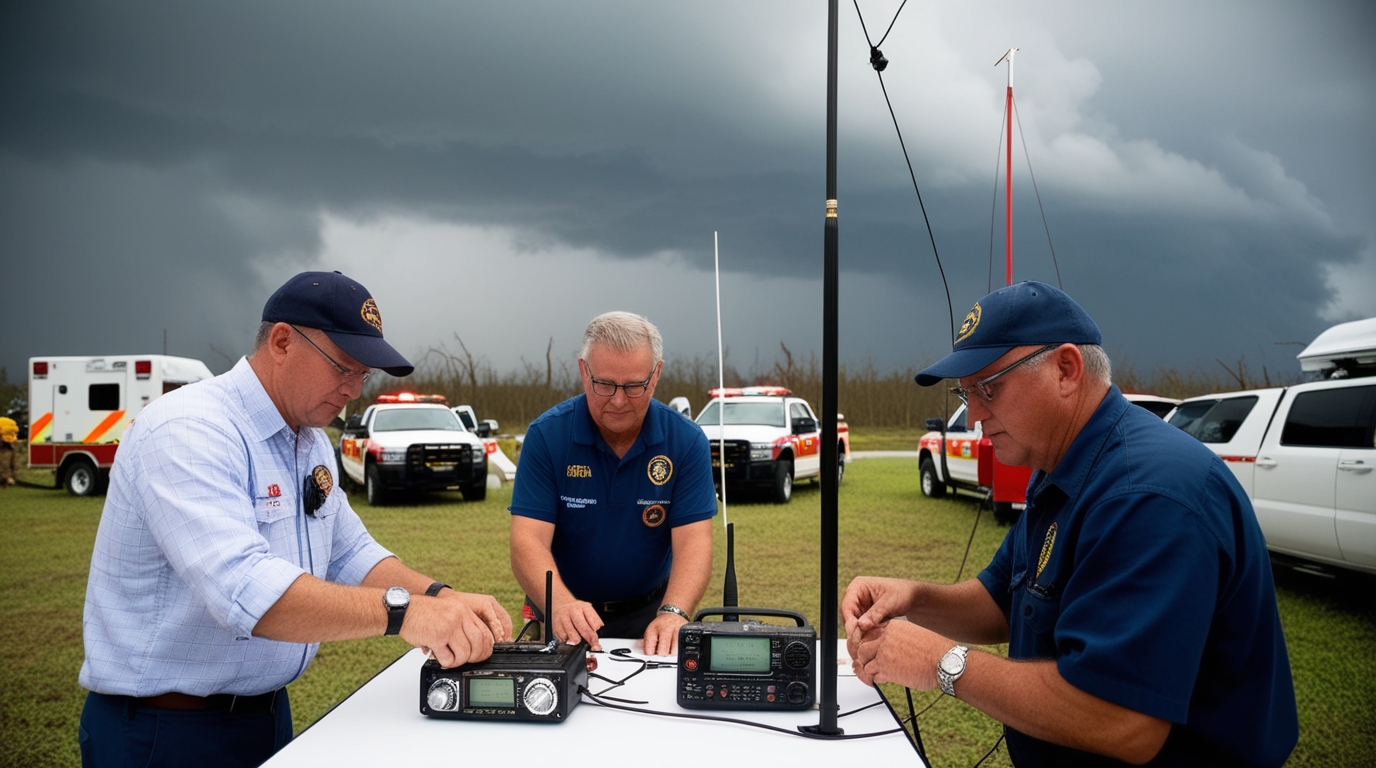
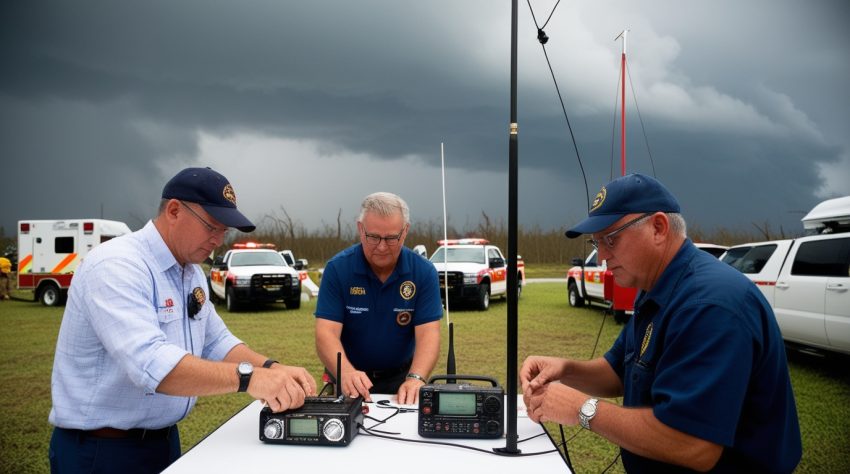
In today’s interconnected world, the reliability of traditional communication networks is often taken for granted. However, during emergencies or natural disasters, these networks can become overloaded or fail completely. This is where amateur radio, often referred to as ham radio, steps in as a lifeline. Amateur radio operators can set up independent communication networks that are crucial in maintaining communication when other systems are down. In this blog post, we will guide you on how to create a successful amateur radio emergency communication plan. This plan will ensure effective communication during emergencies or natural disasters, enhancing community resilience.
Why Amateur Radio is Vital During Emergencies
While the 911 system is a critical emergency response tool, it has limitations, especially during disasters. Instances of the 911 system being overwhelmed or failing during emergencies are not uncommon. For example:
- Hurricane Katrina (2005): In the aftermath of Hurricane Katrina, the 911 system in New Orleans was overwhelmed, leaving many residents stranded without emergency assistance. Callers faced long wait times or couldn’t get through at all due to the sheer volume of calls.
- California Wildfires: During major wildfires in California, including the Camp Fire in 2018 and the Woolsey Fire in 2019, the 911 system struggled to handle the influx of emergency calls. Residents reported difficulties reaching emergency services, leading to delays in response times.
- Northeast Blackout (2003): When a massive blackout struck the northeastern United States and parts of Canada, the 911 system was overloaded with calls, leaving many people unable to reach emergency services promptly.
These examples highlight the vulnerability of traditional emergency communication systems during large-scale disasters. This is where amateur radio fills a crucial gap.
Amateur radio operators have a proven track record of providing reliable communication when other systems fail. Their ability to operate independently of infrastructure vulnerabilities makes them invaluable during emergencies. With ham radios, information can flow seamlessly, even when traditional communication networks are down or overloaded.
Steps to Creating an Effective Communication Plan
1. Assess the Need and Scope
Start by assessing the potential emergencies and natural disasters that could affect your area. Consider geographic, demographic, and infrastructural factors. This assessment will help you determine the scale and scope of your communication plan. Identify critical areas where communication might be essential, such as hospitals, emergency shelters, and government offices.
2. Assemble a Dedicated Team
Gather a team of committed amateur radio operators. Ensure that your team includes individuals with various levels of experience and expertise. Keep your roster updated with contact information and the specific skills of each member. Regularly update your team with the necessary licenses and ensure everyone has the appropriate equipment.
3. Inventory Your Equipment
Conduct a thorough inventory of all available radio equipment, including:
- Handheld transceivers (HTs)
- Mobile transceivers
- Base stations
- Antennas
- Power supplies (batteries, solar panels, generators)
- Accessories (microphones, headsets, cables)
Ensure all equipment is in good working condition and that operators are familiar with its use. Having a detailed inventory is essential for quickly mobilizing resources during an emergency.
4. Develop Clear Communication Protocols
Establishing clear communication protocols is crucial for efficiency. These protocols should include:
- Frequency Allocation: Assign specific frequencies for different types of communication (e.g., emergency traffic, routine updates, health and welfare messages).
- Call Signs and Identification: Standardize the use of call signs and ensure all operators use proper identification.
- Message Handling Procedures: Develop standard formats for message handling to ensure clarity and brevity.
- Check-in Procedures: Schedule regular check-ins to maintain an organized flow of information.
5. Conduct Regular Training and Drills
Regular training and drills are essential to keep your team prepared. Conduct periodic drills that simulate various emergency scenarios. This practice helps operators familiarize themselves with procedures and equipment. It also helps identify potential weaknesses in your plan. Encourage participation in local and national emergency communication exercises.
6. Establish Key Partnerships
Building relationships with local emergency services, government agencies, and other relevant organizations is vital. Collaborating with these entities can enhance the effectiveness of your communication plan. Attend meetings and offer your services during planning sessions to ensure that your team is integrated into the broader emergency response framework.
7. Ensure Redundancy and Backup Plans
An effective communication plan should have built-in redundancies. This includes:
- Multiple Frequencies: Have backup frequencies in case the primary ones are unusable.
- Backup Power Sources: Ensure that you have alternative power sources to keep equipment running.
- Alternative Locations: Identify and prepare alternative operating locations in case the primary one is inaccessible.
8. Maintain Detailed Documentation
Keeping detailed documentation is crucial for the success of your communication plan. This should include:
- Contact information for all team members
- Equipment inventory
- Frequency assignments
- Communication protocols and procedures
- Training and drill records
Regularly update these documents and ensure they are accessible to all team members.
9. Raise Public Awareness and Educate
Raising awareness about the role of amateur radio in emergencies is important. Educate the public on how they can benefit from these services. This can help garner community support and potentially recruit new operators. Hosting workshops and informational sessions can be effective in achieving this.
Conclusion
Creating a successful amateur radio emergency communication plan is vital for ensuring effective communication during disasters. While the 911 system is an essential tool, its limitations are evident during large-scale emergencies. By establishing a robust amateur radio network, communities can ensure that communication remains intact when traditional systems fail. Preparation, training, and collaboration are key to building resilience in the face of adversity.
Remember, in emergencies, every second counts. Stay prepared, stay connected, and be the lifeline your community needs in times of crisis.
I hope this guide has empowered you to create a robust amateur radio emergency communication plan for your community. By working together and staying prepared, we can ensure effective communication during times of crisis.
Do you have any additional tips or experiences to share? Join the discussion below and let us know how you’re preparing for emergencies in your area!